


U.S. development
-
Home U.S. development

Garcia, Elysia
Elysia Garcia
Read more
Elysia Garcia
| Grant Category: | Fulbright Distinguished Awards in Teaching Short-Term Program |
| Project Title: | Helping Develop a Curriculum for Young Learners |
| Field of Study: | Early Childhood Education |
| Home Institution: | Oak Terrace Elementary School Highwood, IL |
| Host Institution: | Coimbatore, Coimbatore, Tamil Nadu |
| Grant Start Month: | June 2024 |
| Duration of Grant: | Seven weeks |
Brief Bio:
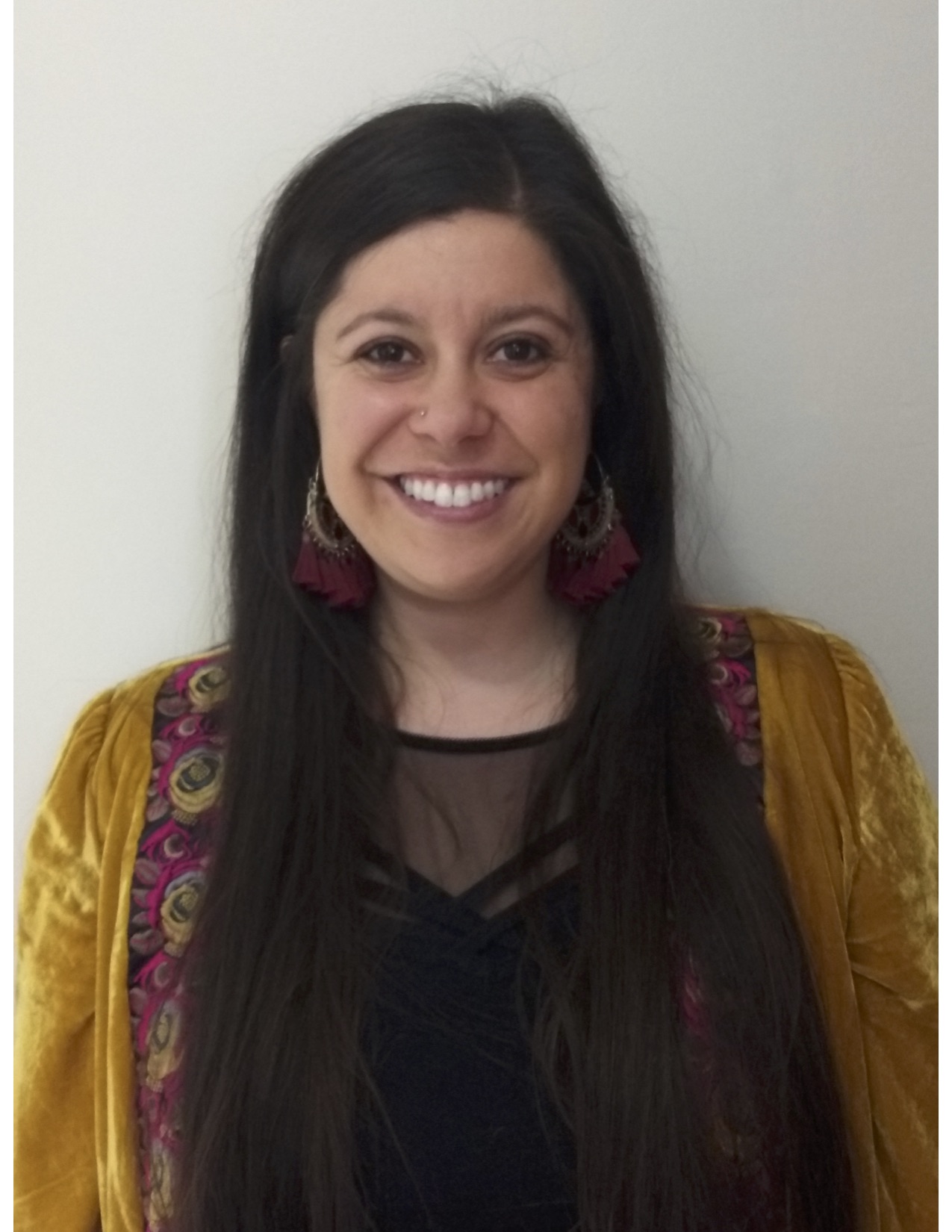
Ms. Elysia Garcia works for the North Shore School District 112 in Highland Park and Highwood, Illinois. She teaches a pre-kindergarten class of students in the three-to-five age group who are a mix of native English speakers, native Spanish speakers, and emerging bilinguals. The class is taught in an inclusive environment in both languages, addressing the needs of students with individual education plans. Ms. Garcia has worked in public and private educational settings for over 15 years. She has a BA from Concordia University and an MEd and an EdS from National Louis University. She is certified to impart early childhood and elementary education, as well as gifted education, along with teaching English as a second language, bilingual Spanish, and Spanish world language. In the school community, she enjoys working with older elementary students as a robotics coach. In her free time, she can be found running and always looking to explore new adventures such as an obstacle course race this past year. She lives in Illinois with her husband, two boys, and two cats.
For her Fulbright program, Ms. Garcia who is specializing in Early Childhood Care and Education (ECCE), is working with the staff at the Avinashilingam Institute to help develop a unified curriculum based on developmentally appropriate practice (DP) for children in the age bracket of three to six. This unified DAP-based curriculum will serve ECCE professionals across India and specifically the teacher trainees enrolled at the institute. The Avinashilingam Institute will share the DAP-based curriculum with the Government of India for consideration as a major policy proposal to realize the proposed NEP (National Education Policy) goals. In this regard, Ms. Garcia is conducting meetings at the institute, working with colleagues to draft curricula frameworks, participating in panel discussions, and carrying out training workshops. She is also promoting developmentally appropriate teaching practices, and learning about Indian teaching methods and culture.

Loyd, Maria
Maria Loyd
Read more
Maria Loyd
| Grant Category: | Fulbright Distinguished Awards in Teaching Research Program |
| Project Title: | Evaluating India’s Innovative Educational Shifts |
| Field of Study: | Education |
| Home Institution: | Vel Phillips Memorial High School Madison, WI |
| Host Institution: | University of Delhi, Madurai, Delhi |
| Grant Start Month: | September 2023 |
| Duration of Grant: | Four months |
Brief Bio:
Ms. Maria Loyd teaches English at Vel Phillips Memorial High School in Madison, Wisconsin, where she has taught mostly juniors and seniors for six years. There, she has served as a teacher leader, leading teachers in both her department and school in anti-racist educational practices and policies. She has also worked on curriculum development and has piloted a course focused on experiential learning. Her work in educational equity and innovative teaching and learning has helped Ms. Loyd to see that the connection between these two fields is natural and necessary: innovative instructional approaches, such as experiential learning, are key to addressing disparities in education. This ignited Ms. Loyd’s keen interest in studying new approaches to teaching and learning that can have a positive impact on the most marginalized communities around the globe. She holds a bachelor’s degree in English and a master’s degree in social, historical, and philosophical foundations of education from Florida State University.
Ms. Loyd’s Fulbright inquiry project is exploring innovative teaching methods in India, focusing specifically on how these new approaches are undertaken and what effect they are having on changing educational outcomes. Her research is attempting to support the creation of a framework to aid teachers in implementing innovative educational approaches. This framework will include standards, model curricula, and an evaluation component – all vital entities that can have a direct impact on learning.
Reyes, Sarah
Sarah Reyes
Read more
Sarah Reyes
| Grant Category: | Fulbright Distinguished Awards in Teaching Research Program |
| Project Title: | The Infinite between Two Souls: Music as a Universal Human Experience |
| Field of Study: | Music |
| Home Institution: | Abraham Depp Elementary Plain City, OH |
| Host Institution: | Dr. MGR Janaki College of Arts and Science for Women, Chennai, Tamil Nadu |
| Grant Start Month: | October 2023 |
| Duration of Grant: | Three months |
Brief Bio:
Ms. Sarah Reyes has been teaching for 18 years and currently teaches at Abraham Depp Elementary in Dublin City School District, Ohio. She obtained her bachelor’s in music education and master’s in music education with Kodály certification from Capital University, Ohio, and spent a year studying music pedagogy at the Kodály Institute of Music in Kesckemét, Hungary. She was awarded a National Endowment for the Humanities grant to study the music of Johann Sebastian Bach at a summer institute in Germany. All through her career, Ms. Reyes has been teaching general music and choir for students in the age group of five to 18. She has also hosted numerous musical activities for students outside of school, including choirs, music clubs, and a Hindustani and Carnatic ensemble. She has served on committees on curriculum and equity, as well as on diversity and inclusion in her school district. Her teaching experience includes rural, urban, and suburban school settings.
Ms. Reyes has also served as a presenter for the Tri-City Kodály Educators, Organization of American Kodály Educators, the International Kodály Society, and for graduate students at Capital University on the topic of inclusion of diverse music and cultures in music classrooms and choral settings. She is continuously seeking to expand her knowledge and has studied Brazilian music with bricante Estêvão Marques, Cuban rumba with Josh Ryan, West African music with Sowah Mensah, and mridangam and Carnatic music with Mysore Vadiraj. She loves being inspired by her students to learn new things, travel to destinations unknown, and nurture her innate curiosity for learning by seeing the world through many different lenses.
As part of her Fulbright project studying Carnatic music in India, Ms. Reyes is collecting musical materials and pedagogical practices to share with her learning community and the music education community. She believes that her immersive experience in India will enable her to engage with her students in Dublin and the greater music education community across the U.S. and elsewhere – all along reflecting the contexts of her learning community, honoring multiple learning modalities, and embracing music as a universal human experience.
Krupp, Karl
Karl Krupp
Read more
Karl Krup
| Grant Category: | Fulbright Global Scholar Award |
| Project Title: | Developing Age-Friendly Urban Communities: An Exploration of Aging Policies in Two Cities |
| Field of Study: | Public Health |
| Home Institution: | University of Arizona Phoenix, AZ |
| Host Institution: | JSS Academy of Higher Education & Research, Mysuru, Karnataka |
| Grant Start Month: | November 2023 |
| Duration of Grant: | Six months |
Brief Bio:
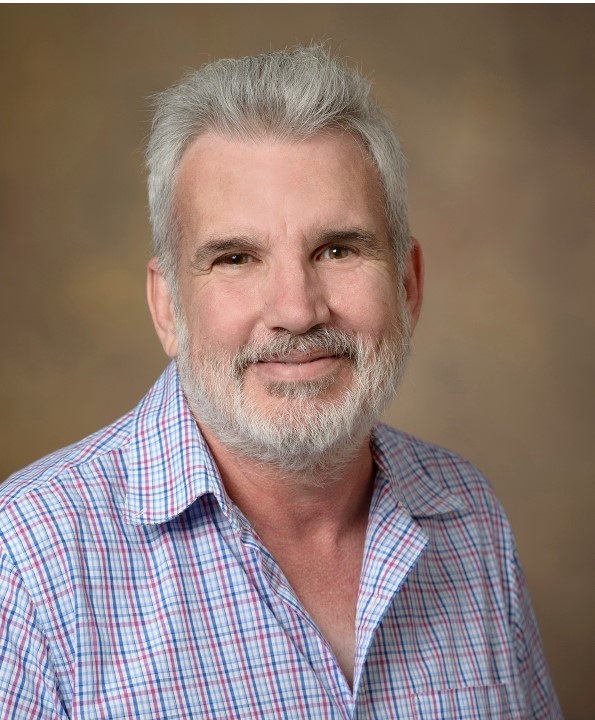
Dr. Karl Krupp, MSc, PhD, is an assistant professor in the Department of Public Health Practice, Policy, and Translational Research in the Mel and Enid Zuckerman College of Public Health at the University of Arizona, Phoenix. He has been involved in implementation of public health interventions and research among at-risk disadvantaged communities in the U.S. and India since 2002. His earliest work focused on childhood asthma among African Americans living in public housing in Bayview– Hunters Point, San Francisco, and farmworkers in Central Valley, California. For the last 18 years, he has been working in India on the social determinants of health among rural and slum-dwelling populations. His research on HIV prevention, maternal health, primary and secondary prevention of cervical cancer, mental health, vaccine hesitancy, cardiovascular disease, and aging has been documented in more than 84 peer-reviewed publications like MMWR, AIDS, BMJ, Vaccine, International Journal of Cardiology, and Journal of Medical Microbiology.
Dr. Krupp holds a bachelor’s degree in communications from the University of Minnesota, a master’s degree in public health from the London School of Hygiene & Tropical Medicine at London University, and a PhD in public health from Florida International University in Miami. His dissertation research was titled “Prevalence and Correlates of Coronary Heart Disease in Slum-Dwelling South Indian Women”. The research was funded by the National Heart, Lung, and Blood Institute and the Fogarty International Center through a Global Health Equity Scholar Fellowship. Since the start of the COVID-19 pandemic in January 2020, Dr. Krupp has been working on the psychological antecedents of COVID-19 vaccine intentions among adults in Arizona, the validation of microRNA panels for detection of breast cancer and cervical cancer in blood, and on the interventions to reduce symptoms of dementia in mildly cognitively impaired older adults.
By 2050, two-thirds of the world’s population will reside in cities where more than one in 10 residents are elderly. The WHO has called for age-friendly cities where older people can “age actively” with security, good health, and full social participation. Dr. Krupp’s Fulbright study is using mixed methods for a policy analysis to examine aging programs, built environment, and policies in Mysuru, India, and Stockholm, Sweden. The research is gathering data from key stakeholders, including city planners, service providers, and civil society leaders.

Burke, Erin
Erin Burke
Read more
Erin Burke
| Grant Category: | Fulbright-Hays Doctoral Dissertation Research Abroad Program (DDRA) |
| Project Title: | The Wise Demoness Writes Back – Tibetan Buddhism, the Popular Religious Imaginaire, and Modern Tibetan Fiction |
| Field of Study: | Art History |
| Home Institution: | Charlottesville Charlottesville, VA |
| Host Institution: | Library of Tibetan Works and Archives, Dharamshala, Himachal Pradesh |
| Grant Start Month: | May 2024 |
| Duration of Grant: | Twelve months |
Brief Bio:
Erin Burke is a PhD candidate in the Department of Religious Studies at the University of Virginia.
Erin holds a BS/BA in anthropology and religious studies from the College of Charleston as well as an MA in religious studies from the University of Virginia. Her interests include the intersection of universal and indigenous religious traditions, definitions of secular and religious, and the role of imagination in religious practice and literature. She has been studying Tibetan language in Tibet, Nepal, and the United States for over 15 years. She has also conducted research in Tibet and Nepal on Tibetan literature and practice and is in the process of producing translations of religious and creative Tibetan stories.
In her Fulbright-Hays Fellowship, Erin is exploring the perspectives on the production and interpretation of Tibetan fiction by discussing late 20th-century and contemporary Tibetan short stories with Tibetan writers, publishers, and librarians. Her project is delving into how Tibetan short stories contribute to the modern Tibetan religious imagination. By identifying continuities with literary Buddhist and oral vernacular expressions, this project is shedding light on popular modes of religious thought that have been marginalized in the scholarship on Tibetan Buddhism. Erin is also studying how Tibetan literary narratives written by lay people foreground multivocal religious world views that do not often appear in normative Buddhist texts. In her discussions with Tibetan authors and intellectuals in Dharamshala, India, she is also investigating the ways in which the first popularly accessible literature in Tibetan history contributes to the ongoing development of Tibetan Buddhism.
Clark, Zachary
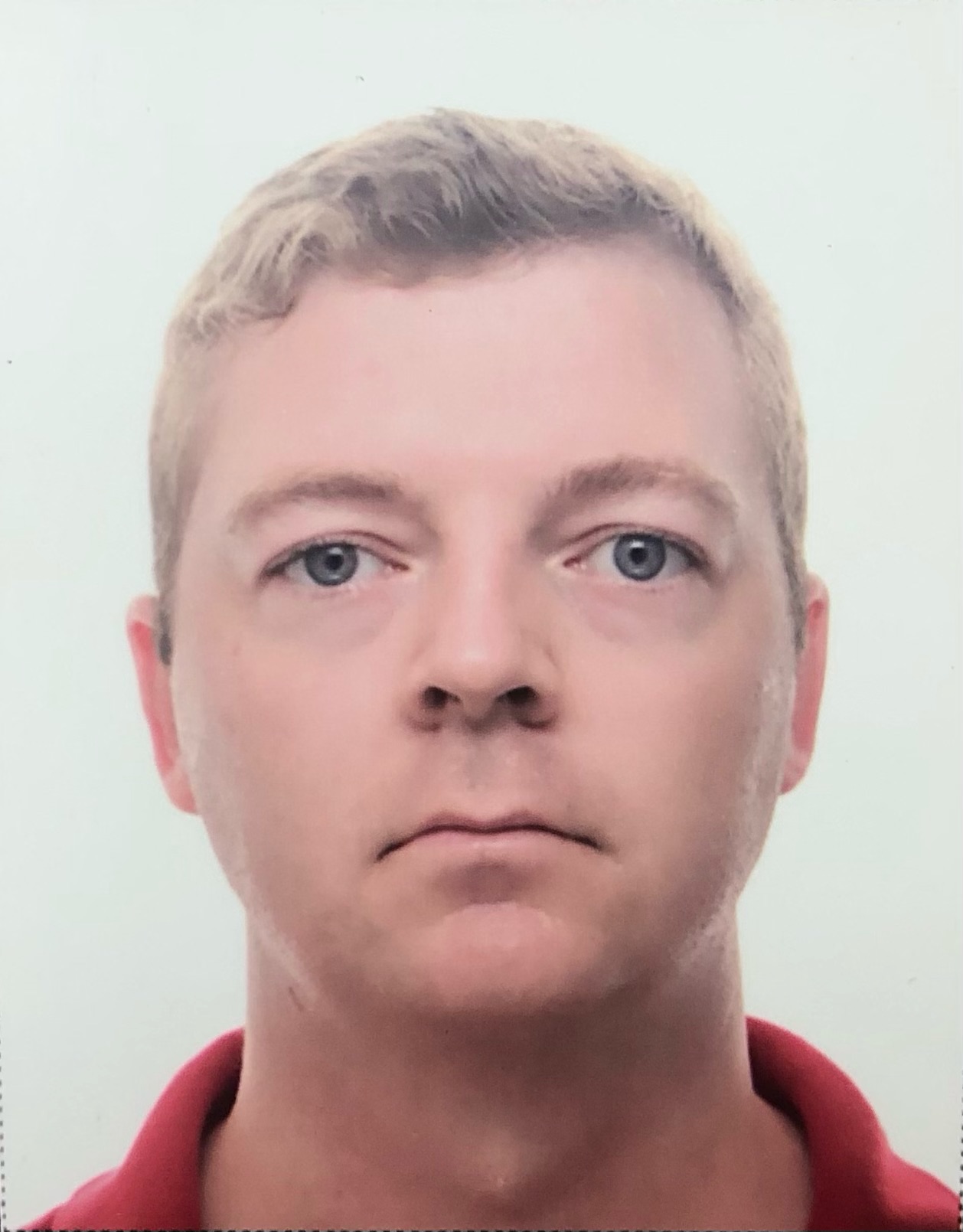
Zachary Clark
Read more
Zachary Clark
| Grant Category: | Fulbright-Hays Doctoral Dissertation Research Abroad Program (DDRA) |
| Project Title: | Continuity in a Period of Chinese Disunity: Republican Chinese State Formation along the Sino-Tibetan Frontier |
| Field of Study: | Energy |
| Home Institution: | The Pennsylvania State University State College, PA |
| Host Institution: | O.P. Jindal Global University, Sonipat, Haryana |
| Grant Start Month: | November 2024 |
| Duration of Grant: | Two months |
Brief Bio:
Zachary Clark is a PhD candidate at Pennsylvania State University studying Late Qing and 20th-century Sino-Tibetan borderland history. Zachary received his bachelor’s degree from the University of Connecticut and then lived for over two years in Beijing, teaching English. He received his MA in Asia-Pacific studies from the University of San Francisco where he also worked at the Ricci Institute for Chinese-Western Cultural History. In the past two years, Zachary has been actively studying Chinese and Tibetan languages to gain a more nuanced and historical understanding of the ethnic and cultural diversity in China’s western regions.
Zachary’s research has its spotlight on the Sino-Tibetan borderland (today’s Tibet Autonomous Region, Qinghai, Sichuan, and Yunnan) from the Late Qing dynasty to the early 1950s. Within this region, he focuses on regional governance, sometimes designated as “warlordism”, which lasted for decades and navigated the governance of an ethnically diverse population of Tibetan, Han Chinese, Yi, and Hui Muslims amongst a radically shifting political landscape in both China and Tibet. His research bridges 20th-century Chinese and Tibetan history by foregrounding the interests, cultures, and ethnic groups prevalent in this borderland to better understand the early developments of nationalism, ethnicity, and identity outside of the central Chinese state.
In his free time, Zachary is a Premier League soccer enthusiast. He also enjoys hiking, watching Chinese and Tibetan films, and trying new Tibetan food recipes.
Zachary’s Fulbright-Hays project looks at the Sino-Tibetan region from 1905 to 1955, by focusing on three western provincial and regional capitals: Xining, Kangding, and Kunming. For this, he is using Chinese, English, and Tibetan sources to provide a more holistic, non-state view of the methods that regional government policies enacted on the periphery and the various Tibetan ethnic, political, and religious factors which shaped them. Zachary’s project argues that China’s far west, far from being politically irrelevant to the Chinese state, put forward new visons of modern state-making which shed light on the historical process of China’s transition from empire to nation state.
Levenstam, Sarah
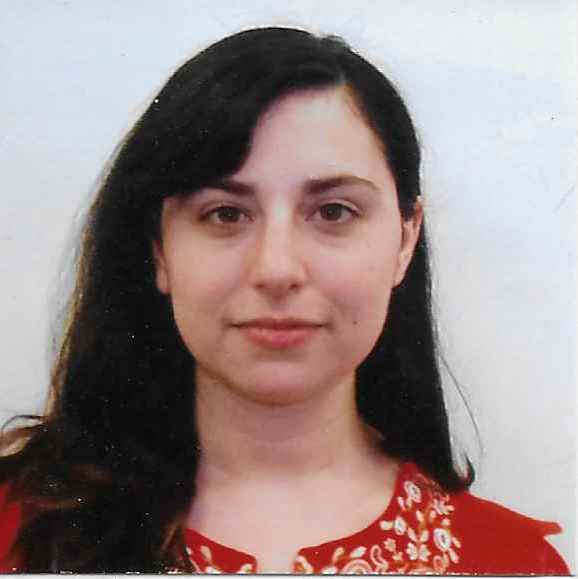
Sarah Levenstam
Read more
Sarah Levenstam
| Grant Category: | Fulbright-Hays Doctoral Dissertation Research Abroad Program (DDRA) |
| Project Title: | Hounding the Empire – Strays and Street Dogs in Colonial and Contemporary Calcutta |
| Field of Study: | Art History |
| Home Institution: | University of Chicago Chicago, IL |
| Host Institution: | Presidency University, Kolkata, West Bengal |
| Grant Start Month: | June 2024 |
| Duration of Grant: | Seven months |
Brief Bio:
Sarah Levenstam is pursuing a doctoral degree in the anthropology of religion at the University of Chicago, Divinity School, in Chicago, Illinois. She holds an MA in religious studies, also from the Divinity School at the University of Chicago, and a dual BA in religious studies and anthropology from Washington University in St. Louis. Sarah’s doctoral dissertation examines ideas and practices of dog management and care across India and Britain against the backdrop of imperial and national public works projects, international humanitarianism, and transnational animal welfare movements from 1857 through the present.
At the University of Chicago, Sarah’s research has been generously supported by the Committee on Southern Asian Studies (COSAS), the Nicholson Center for British Studies, and the Divinity School. She has received Critical Language Scholarships, Foreign Language and Area Studies Fellowships, COSAS Fellowships, and an American Institute of Indian Studies Scholarship for language studies in Bangla, Urdu, and Sanskrit. She has previously worked in international education at World Learning, in historical and archival research for Hudson Institute, and in accessibility advocacy and community outreach with Rubin Museum of Art and the Council for a Parliament of the World’s Religions. She also fosters dogs for an animal shelter in Chicago.
Sarah’s Fulbright-Hayes research is tracing the transformation of the legal status of free-roaming dogs from straying “ferae naturae”, contained and culled in 19th-century colonial Calcutta, to legally-recognized “street dogs” who have accrued material and moral value in today’s Kolkata. She is looking at how dogs have inhabited this changing city and how the metrics of evaluating them as valuable or disposable have changed with time. She is also studying what the connected histories of dogs and humans together navigating this city’s public spaces reveal about cross-species hierarchies, practices of place-making, and claims of belonging in Kolkata.
Nott, Lavanya
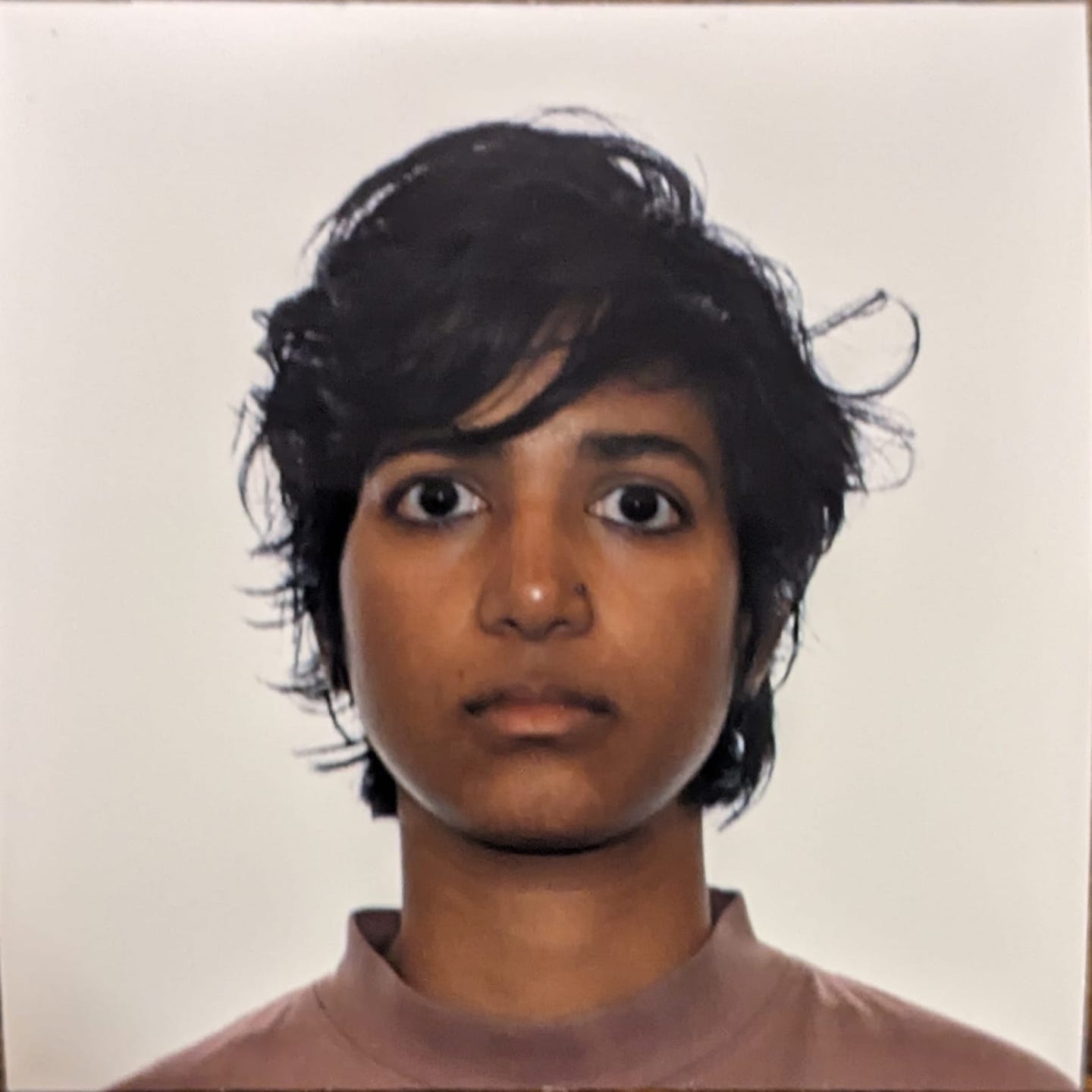
Lavanya Nott
Read more
Lavanya Nott
| Grant Category: | Fulbright-Hays Doctoral Dissertation Research Abroad Program (DDRA) |
| Project Title: | Landscapes of Solidarity: Food Politics and Popular Internationalism in Postcolonial India |
| Field of Study: | Geography |
| Home Institution: | Clarkson University Los Angeles, CA |
| Host Institution: | Birla Institute of Technology and Science-Pilani, Madurai, Delhi |
| Grant Start Month: | February 2024 |
| Duration of Grant: | Seven months |
Brief Bio:
Lavanya Nott is a PhD student in geography at UCLA. She has a master’s degree in South Asia studies from Cornell University and a bachelor’s in English literature and mathematics from Bryn Mawr College. She has worked in organizing and research in the area of labor rights in both India and the U.S., most recently, with an organization in Bengaluru on the working conditions in export-oriented manufacturing industries in South India. In the past, her research has been supported by Foreign Language and Area Studies Fellowships, and UCLA-administered grants.
Outside of research, Lavanya is an avid baker and cook, and enjoys playing football with a local club and spending time with her dog, Abacus.
Lavanya’s Fulbright research is exploring past and current projects on food sovereignty in postcolonial India and their entanglements with anti-imperialist internationalist currents across the Third World. Her study is particularly on how struggles around food sovereignty have transformed in response to neoliberalism, and how they relate to broader questions of political and economic sovereignty in the postcolonial world.
Sampath, Gokul
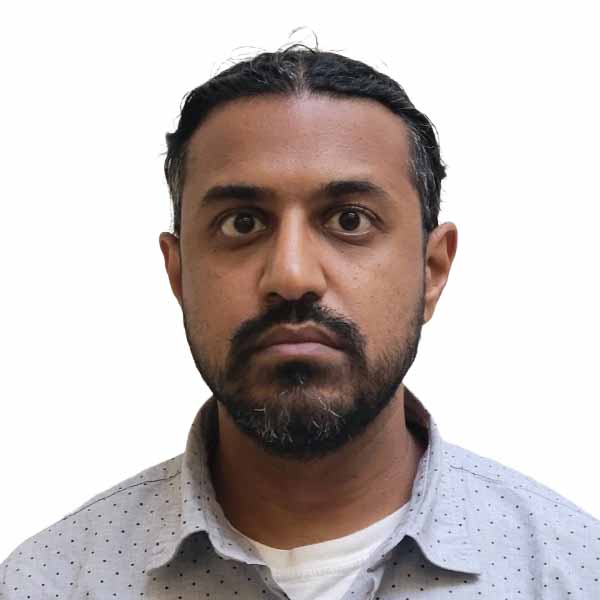
Gokul Sampath
Read more
Gokul Sampath
| Grant Category: | Fulbright-Hays Doctoral Dissertation Research Abroad Program (DDRA) |
| Project Title: | The Social Determinants of Arsenic Exposure in Rural India |
| Field of Study: | Urban Studies and Planning |
| Home Institution: | Massachusetts Institute of Technology Cambridge, MA |
| Host Institution: | FLAME University, Mangaluru, Maharashtra |
| Grant Start Month: | January 2024 |
| Duration of Grant: | Ten months |
Brief Bio:
Gokul Sampath is a doctoral student in the International Development Group in the Department of Urban Studies and Planning at the Massachusetts Institute of Technology (MIT). His research broadly centers on understanding and overcoming barriers to safe and reliable water access to all in the developing world. Currently, Gokul’s work focuses on strategies to address exposure to dangerous drinking water contaminants in rural India, especially arsenic in groundwater.
Prior to joining MIT, Gokul worked as a senior research associate at Jameel Poverty Action Lab (J-PAL), running randomized evaluations to measure the effectiveness of programs to reduce groundwater consumption in the drought-prone areas of western India. Gokul was a Fulbright-Nehru Student Researcher from 2014–2015 at A.N. College in Patna, Bihar. He completed his MA in Middle East, South Asian, and African studies at Columbia University, and his BS at the University of California, Davis.
Arsenic in groundwater is a major public health threat in eastern India. Lakhs of rural households are at elevated risk of cancer, stroke, and heart disease from exposure to arsenic in their primary drinking water source: the handpump tube wells on their home premises. Gokul’s Fulbright research is focusing on the social determinants of arsenic exposure in rural West Bengal. He is seeking to explain why households might choose an unsafe water source even when safe alternatives exist in their communities. By better understanding the constraints and norms that shape water-fetching decisions, he hopes to highlight ways to reduce arsenic exposure.
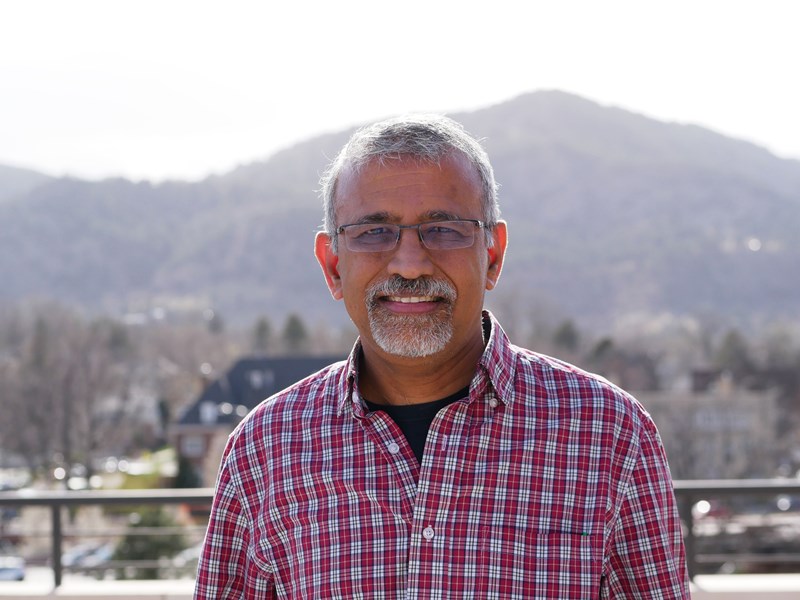
Balaji, Rajagopalan
Rajagopalan Balaji
Read more
Rajagopalan Balaji
| Grant Category: | Fulbright-Kalam Fellowship |
| Project Title: | Signatures of Climate Change and Variability on Extremes, Human Health, and Migration over India |
| Field of Study: | Engineering |
| Home Institution: | University of Colorado Boulder Boulder, CO |
| Host Institution: | Indian Institute of Technology Hyderabad, Hyderabad, Telangana |
| Grant Start Month: | November 2023 |
| Duration of Grant: | Six months |
Brief Bio:
Prof. Rajagopalan Balaji is a professor in the Department of Civil, Environmental and Architectural Engineering (CEAE) and a fellow of the Cooperative Institute of Research in Environmental Sciences at the University of Colorado (CU) in Boulder. He was the former chair (2014–2022) of the department. He received his BTech in civil engineering from the National Institute of Technology, Kurukshetra, India, in 1989, MTech in optimization and reliability engineering from the Indian Statistical Institute, Kolkata, in 1991, and a PhD in stochastic hydrology and hydroclimatology from Utah State University, Logan, in 1995. Following this, he worked as a research scientist at the Lamont-Doherty Earth Observatory of Columbia University, NY, before joining the faculty of CEAE at CU, Boulder, where he was promoted to full professorship in 2010.
Prof. Balaji pursues research in diverse interdisciplinary areas spanning hydroclimatology, water resources management, Indian summer monsoon, paleoclimate, and stochastic hydrology. For his research contributing to the improved operations, management, and planning of water resources in the semiarid river basins of western USA, especially the Colorado River System, Prof. Balaji was a co-recipient of the Partners in Conservation Award from the Department of Interior in 2009. Besides, his joint work on unraveling the mystery of the Indian summer monsoon droughts which appeared in Science in 2006 was awarded the prestigious Norbert Gerbier Mumm Award from the World Meteorological Organization in 2009. In 2019, he was elected fellow of the American Geophysical Union..
Prof. Balaji has a strong publication record in peer-reviewed journals like Science, Nature Geoscience, and Geophysical Research Letters. He has also served as an associated editor of ASCE Journal of Hydrologic Engineering, Journal of Water Resources Planning and Management and Geophysical Research Letters, and currently serves as an associate editor of Water Resources Research and Climate Research.
The socioeconomic health of India’s people and ecosystems is intricately tied to the pulse of its monsoonal climate and variability, but this is now under existential threat from climate change. The pressing need to understand the fingerprints of climate in natural and human systems to enable sustainable policies is motivating Prof. Balaji’s Fulbright-Kalam project. In this context, he is pursuing three research threads to understand and model the signatures of climate change and variability related to: hydroclimate extremes; water quality and public health; and the rise and fall of past societies in India and implications for future human migration.
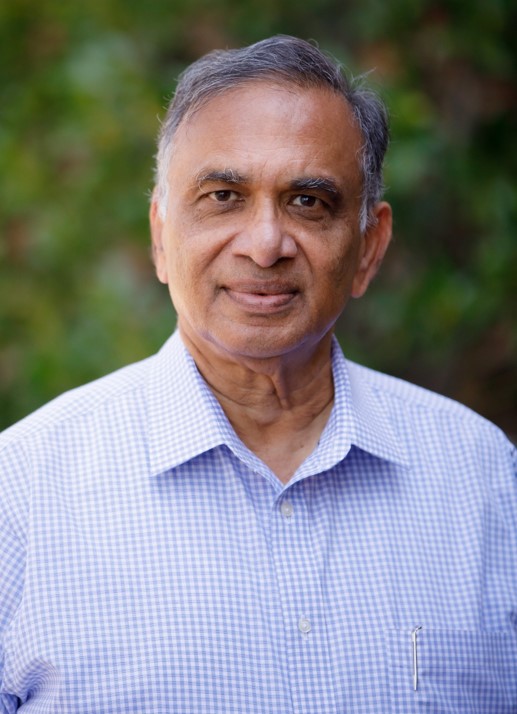
Gogineni, Siva
Siva Gogineni
Read more
Siva Gogineni
| Grant Category: | Fulbright-Kalam Fellowship |
| Project Title: | Remote Sensing of Snow and Ice in the Himalayas for Management of Water Resources |
| Field of Study: | Engineering |
| Home Institution: | Tuscaloosa Tuscaloosa, AL |
| Host Institution: | Indian Institute of Technology Kanpur, Kanpur, Uttar Pradesh |
| Grant Start Month: | August 2023 |
| Duration of Grant: | Six months |
Brief Bio:
Dr. Siva Prasad Gogineni received a BE in electronics and communications from Mysore University in 1973, an MSc in engineering from Kerala University in 1976, and a PhD in electrical engineering from the University of Kansas (KU) in 1984. He began his teaching career as a visiting assistant professor in 1984 and retired as the Deane E. Ackers Distinguished Professor, in 2016 from KU. Currently, Dr. Gogineni is the Cudworth Professor in the College of Engineering and the director of the Remote Sensing Center at the University of Alabama (UA).
Dr. Gogineni was the founding director of the NSF Science and Technology Center for Remote Sensing of Ice Sheets (CReSIS) at KU from 2005 to 2016. He is an Institute of Electrical and Electronics Engineers (IEEE) fellow and also served as manager of NASA’s polar program from 1997–1999. He received the Louise Byrd Graduate Educator Award at KU and was a Fulbright scholar at the University of Tasmania in 2002.
Dr. Gogineni has been involved with radar sounding and imaging of ice sheets for about 35 years and contributed to the first successful demonstration of SAR imaging of the ice bed through more than 3-km-thick ice. He also led the development of ultra-wideband radars for measuring the thickness of snow over sea ice and the mapping of internal layers in polar firn and ice. Dr. Gogineni and his students also developed early versions of all radars flown as a part of NASA’s Operation IceBridge (OIB). Besides, the remote sensing team at UA demonstrated the first successful sounding of about 3-km-thick ice in Greenland and Antarctica at 750 MHz and 1.25 GHz, respectively. Dr. Gogineni is the lead author or co-author of 150 archival journal publications and has given or contributed to over 250 conference presentations.
Dr. Gogineni’s Fulbright-Kalam project is developing advanced radars for airborne monitoring of snow and ice in the Indian Himalayas in collaboration with institutions in India. The current systems do not provide adequate fine-resolution measurements of the vast freshwater resources on mountain glaciers and snow in high elevations because they are often difficult to measure using traditional in situ and labor-intensive methods. Advances in remote sensing and deployment platforms are required for regional airborne surveys of snow and ice. The project is also establishing long-term collaborations to develop airborne radars for fine-resolution regional-scale surveys of snow and ice.
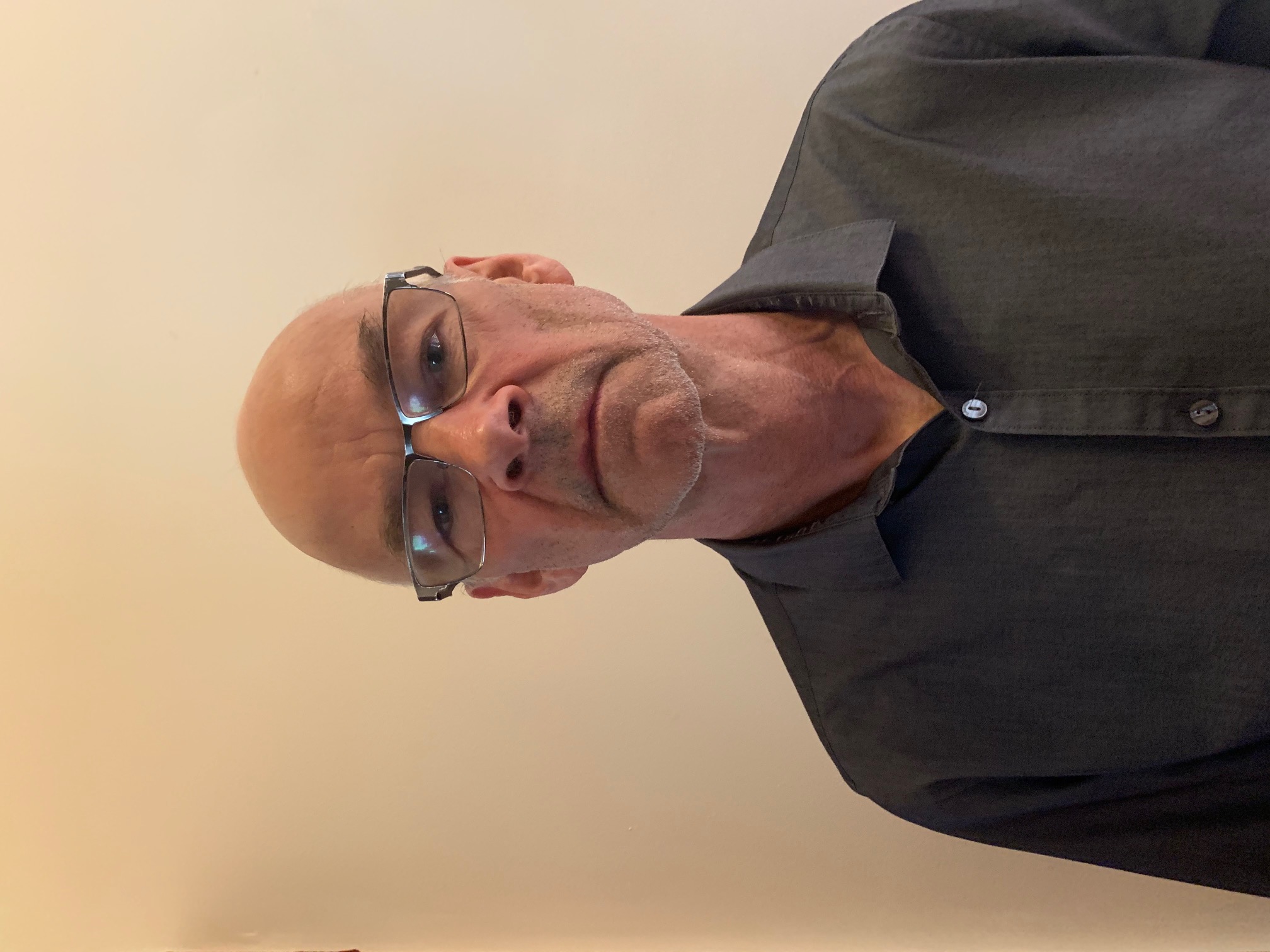
Price, Trevor
Trevor Price
Read more
Trevor Price
| Grant Category: | Fulbright-Kalam Fellowship |
| Project Title: | Effects of Climate Change on India’s Biodiversity |
| Field of Study: | Biology |
| Home Institution: | University of Chicago Chicago, IL |
| Host Institution: | Wildlife Institute of India, Dehradun, Uttarakhand |
| Grant Start Month: | January 2024 |
| Duration of Grant: | Six months |
Brief Bio:
Dr. Trevor Price, PhD, FRS, is an expert on the effects of climate on the distribution of species. He has a bachelor’s degree in natural sciences from the University of Cambridge, UK, and a PhD in quantitative genetics from the University of Michigan. He is a tenured faculty member in the Department of Ecology and Evolution at the University of Chicago
Dr. Price teaches courses in environmental ecology and biostatistics. His book, Ecology of a Changed World (Oxford University Press, 2022) summarizes the threats and challenges to the natural world in the 21st century. It forms the basis for the undergraduate courses he teaches to both biology majors and biology non-majors.
Dr. Price’s general research interests are in the distribution of biodiversity across the Himalaya and in the Indian subcontinent wherein he asks questions such as: why are there twice as many species in the east Himalaya (e.g. Sikkim) than in the west Himalaya (e.g. Himachal Pradesh)? Why are there more species in the mid-elevations in the Himalaya than at lower or higher elevations? What are the ongoing impacts of climate change and land-use change on the distribution of bird species? To tackle these questions, he studies birds and trees and uses various molecular techniques to assess the relationships among species and populations. He has published on these issues in journals such as Nature, Science, and Proceedings of the Royal Society of London. His research has been funded by the National Science Foundation and the National Geographic Society.
Dr. Price is a former Guggenheim and Mercator fellow at the University of Cologne (2004). In 2016, he was named a fellow of the American Academy of Arts and Sciences, and in 2022, he became a fellow of the Royal Society of London.
Dr. Price’s Fulbright-Kalam project is building on the baseline data collected from Andhra Pradesh, Maharashtra, and Himachal Pradesh, on bird abundances. The goals are to: extend research on birds in the breeding season in Himachal Pradesh, especially integrating the work by students from the host institution; expand the research from birds to birch trees, because birch is so important to the local communities; monitor bird populations in the winter in the Indian peninsula; teach at the University of Ladakh; and visit several institutions to disseminate findings and to learn more about what others are discovering.
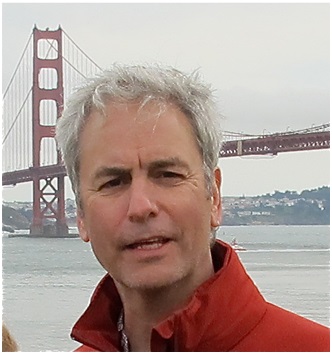
Rosenthal, Joshua
Joshua Rosenthal
Read more
Joshua Rosenthal
| Grant Category: | Fulbright-Kalam Fellowship |
| Project Title: | Capacity Building to Confront the Public Health Threats of Climate Change |
| Field of Study: | Public Health |
| Home Institution: | U.S. National Institutes of Health Bethesda, MD |
| Host Institution: | Sri Ramachandra Institute of Higher Education and Research, Chennai, Tamil Nadu |
| Grant Start Month: | September 2023 |
| Duration of Grant: | Four and a half months |
Brief Bio:
Dr. Joshua Rosenthal is a senior scientist at the Fogarty International Center of the U.S. National Institutes of Health (NIH). He is an ecologist with a long-standing interest in the integration of public health, environment, and international development. Dr. Rosenthal completed his PhD and postdoctoral research at the University of California, Berkeley. He completed an AAAS Science and Diplomacy Fellowship at the NIH, was a Senior Fulbright Fellow at the University of Buenos Aires, Argentina, and has been awarded three NIH Director’s Awards for work across the agency in support of public health and environment. Dr. Rosenthal has developed and led numerous programs at the NIH in environment and health research, as well as in capacity building in low- and middle-income countries, including the International Cooperative Biodiversity Groups; the International Training and Research in Environmental and Occupational Health; Ecology of Infectious Diseases; Global Environmental and Occupational Health Research Hubs; the Household Air Pollution Intervention Network; and the Clean Cooking Implementation Science Network. Presently, Dr. Rosenthal co-chairs the NIH Working Group on Climate Change and Health. His current work is substantially focused on climate change and health, and on interventions to reduce exposure to household air pollution. Dr. Rosenthal’s research- and policy-related publications can be found at: https://scholar.google.com/citations?hl=en&user=BztHZSIAAAAJ
While the health consequences of climate change are becoming apparent around the world, the relevant agencies are woefully underprepared to address them. From trauma, injury, and deaths resulting from extreme weather events, to increased rates of infectious diseases, chronic respiratory and mental health conditions, the world is facing profound threats to the gains in public health that have been made over the past decades. For his Fulbright-Kalam fellowship, Dr. Rosenthal is working with Sri Ramachandra Institute of Higher Education and Research (SRIHER) in Chennai and other Indian institutions to develop a new master’s in public health (MPH) curriculum in the field of climate change and health.