


U.S. Fulbrighters
-
Home U.S. Fulbrighters
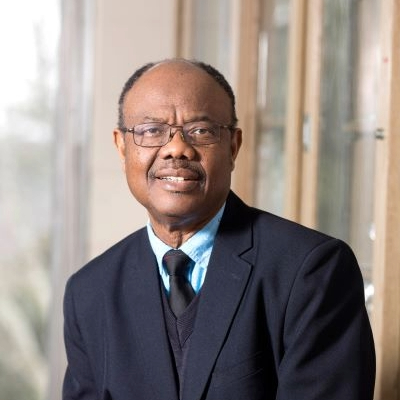
Aggrey, Samuel
Samuel Aggrey
Read more


Samuel Aggrey
| Grant Category: | Fulbright-Nehru Academic & Professional Excellence Award (Research) |
| Project Title: | Novel Biomarkers and Sustainable Strategies: Harnessing Polyamines to Combat Eimeria in Broiler Chickens |
| Field of Study: | Animal Science |
| Home Institution: | University of Georgia, Athens, GA |
| Host Institution: | Tamil Nadu Veterinary and Animal Sciences University, Chennai, Tamil Nadu |
| Grant Start Month: | April 2027 |
| Duration of Grant: | Six months |
Brief Bio:
Prof. Samuel Aggrey is a distinguished research professor in genetics and genomics at the University of Georgia (UGA), USA. He holds the Richard B. Russell Endowed Chair and is also a professor in the Department of Poultry Science at Athens, Georgia.
Prof. Aggrey is a co-editor of Poultry Genetics, Breeding and Biotechnology and the lead editor of Advances in Poultry Genetics and Genomics. He has also authored numerous book chapters and over 200 peer-reviewed publications. He has trained postgraduate students and postdoctoral researchers from around the world and maintains strong collaborative partnerships across Africa, Asia, and Europe.
His notable honors include the Jaap Memorial Lectureship at the Ohio State University; the D.W. Brooks Award for Excellence in Research (UGA); the UGA Student Career Influencer Award; the Broiler Research Award from the Poultry Science Association; the Changxin Chu Fund Award (China Agricultural University Educational Foundation/World’s Poultry Science Association); the Carnegie Fellowship; the World’s Poultry Science Association Siegel Research Award; and the D.W. Brooks awards for excellence in international agriculture and for excellence in diversity (UGA).
Prof. Aggrey serves as the capacity building pillar chair and as a member of the Executive Committee of the African Animal Breeding Network. He is also a member of the High-Level Think Tank on Technological Issues in African Agriculture, and contributes to the African Union’s Working Group on Animal Seed under the African Seed and Biotechnology Partnership Platform.
His current research interests include quantitative genetics and genomics of stressors (climate change and Eimeria spp. infection), as well as modeling and precision animal agriculture.
Prof. Aggrey’s Fulbright-Nehru project is examining the potential of polyamine-enhancing nutritional strategies as alternatives to pharmaceutical interventions in combating Eimeria spp. infection in poultry. It is integrating molecular biology, parasitology, and applied poultry science through multi-omics approaches to advance innovative health management strategies. The project aims to enhance host resilience, provide mechanistic insights into how polyamines improve poultry health, expand frameworks for nutritional immunomodulation, and develop biomarkers.
Andrabi, Mudasir
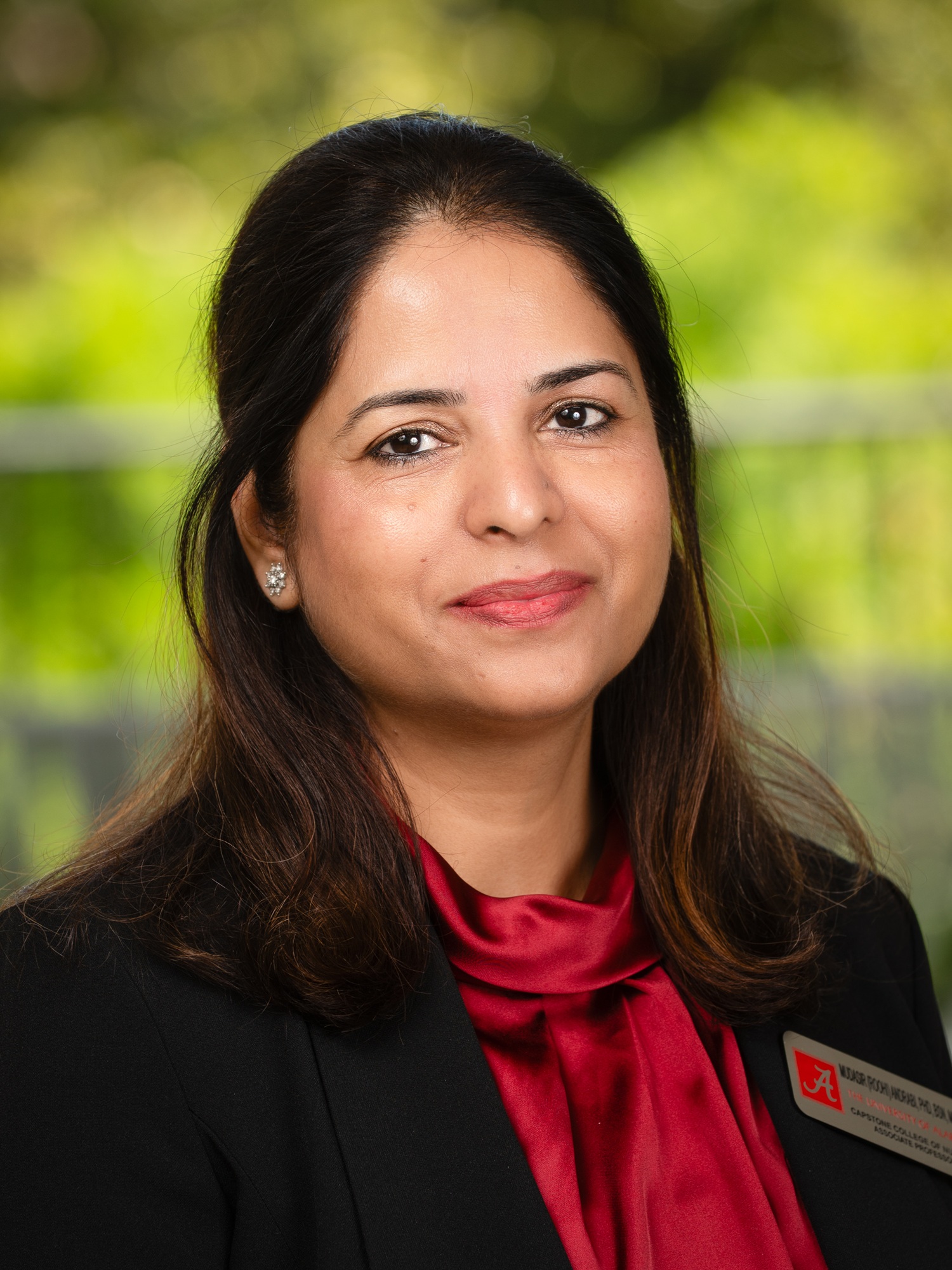
Mudasir Andrabi
Read more
Mudasir Andrabi
| Grant Category: | Fulbright-Nehru Academic & Professional Excellence Award (Research) |
| Project Title: | Integrating ASCVD Risk Estimation and Culturally Tailored Coaching, a Bilateral Nursing Initiative |
| Field of Study: | Nursing |
| Home Institution: | University of Alabama, Tuscaloosa, AL |
| Host Institution: | Jamia Hamdard, New Delhi, Delhi |
| Grant Start Month: | December 2026 |
| Duration of Grant: | Six months |
Brief Bio:
Dr. Mudasir Andrabi is an associate professor at Capstone College of Nursing, University of Alabama, with expertise in cardiovascular health, stroke prevention, behavioral health interventions, and community-engaged research. Her work focuses on addressing hypertension and cardiovascular disparities among underserved populations through culturally responsive and technology-enabled interventions.
Dr. Andrabi earned her doctorate in health promotion from the University of Alabama at Birmingham, USA. She has extensive experience in teaching, research, mentorship, and academic leadership. Her work integrates public health, nursing, behavioral science, and digital health approaches to improve cardiovascular outcomes and promote health equity. She has led and collaborated on multiple interdisciplinary research projects focused on hypertension management, stroke caregiving, medication adherence, physical activity, and chronic disease prevention.
Her research interests include digital health interventions, game-based behavioral strategies, AI in nursing education, and cardiovascular health promotion. She is currently developing innovative interventions that integrate blood pressure monitoring, physical activity tracking, medication adherence support, and health education for adults at risk of cardiovascular disease. She is also actively engaged in international collaborations on culturally tailored cardiovascular disease prevention strategies.
Dr. Andrabi has authored and co-authored numerous peer-reviewed publications and conference presentations. Her work has been presented at regional, national, and international scientific meetings, and has contributed to advancing nursing science and community-based cardiovascular disease prevention efforts. She also serves in several leadership roles within academic and professional organizations. She is actively involved in developing ethical guidelines for the responsible integration of AI in nursing education and scholarship. Her long-term professional goal is to advance global cardiovascular health equity.
Dr. Andrabi’s Fulbright-Nehru project is co-developing and piloting the South Asian Cardiovascular Risk Education and Digital Coaching (SACRED) program, a culturally tailored intervention designed to reduce cardiovascular disease risk among adults aged 50 and older in Delhi, India. The project is using a mixed-methods approach, and its findings will guide the development of a digital coaching intervention delivered through WhatsApp and ASCVD risk assessment tools. The project also aims to improve heart health behaviors, strengthen global nursing collaborations, and advance culturally responsive cardiovascular disease prevention strategies.
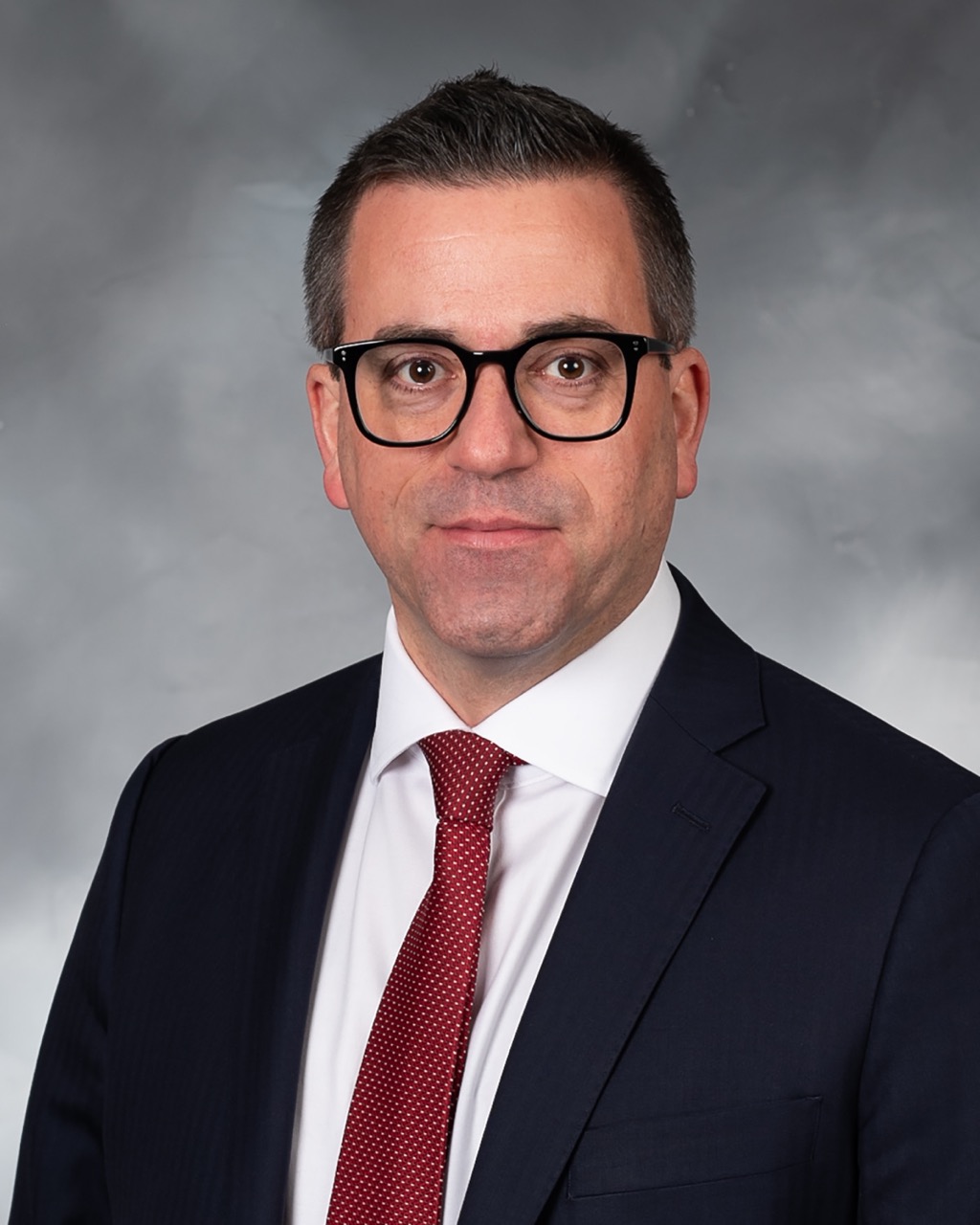
Bellenoit, Hayden
Hayden Bellenoit
Read more
Hayden Bellenoit
| Grant Category: | Fulbright-Nehru Academic & Professional Excellence Award (Research) |
| Project Title: | Judges, Case Law and Jurisprudence: The Legal Construction of Caste in India, c. 1830–1950 |
| Field of Study: | History |
| Home Institution: | United States Naval Academy, Annapolis, MD |
| Host Institution: | Ashoka University, Sonipat, Haryana |
| Grant Start Month: | December 2026 |
| Duration of Grant: | Six months |
Brief Bio:
Dr. Hayden Bellenoit is a professor of history at the U.S. Naval Academy in Annapolis, MD. He is a legal and social historian of modern South Asia. His research focuses on colonial state formation, the histories of scribal communities, and the broader impact of colonial legal systems upon Indian social, religious, and cultural traditions. Dr. Bellenoit received his MA from Wheaton College and his DPhil in modern history from Oxford University. At the Naval Academy, he teaches courses on modern India and Pakistan. He has also been a visiting fellow at Clare Hall, Cambridge University, where he is a life member.
Dr. Bellenoit is the author of two books: Missionary Education and Empire in Late Colonial India, 1860–1920 (2007); and The Formation of the Colonial State in India: Scribes, Paper and Taxes, 1760–1860 (2017). His articles have appeared in top peer-reviewed academic journals such as Modern Asian Studies, Law and History Review, South Asian History and Culture, and Indian Law Review. He is currently completing an article on how Mughal-era legal customs were read into the codification of Hindu property law and inheritance.
For his Fulbright-Nehru project, Dr. Bellenoit is conducting research for his third book, “Judges, Case Law and Jurisprudence: The Legal Construction of Caste in India, c. 1830–1950”. This will be the first book to fully address the question of modern constructions of caste/social hierarchy in India as a result of the broader phenomena of colonial law. It will carefully examine how colonial case law, the training of Indian judges and lawyers, and the resultant jurisprudence, all broadly combined to shape modern understandings about the relationship between caste and law.
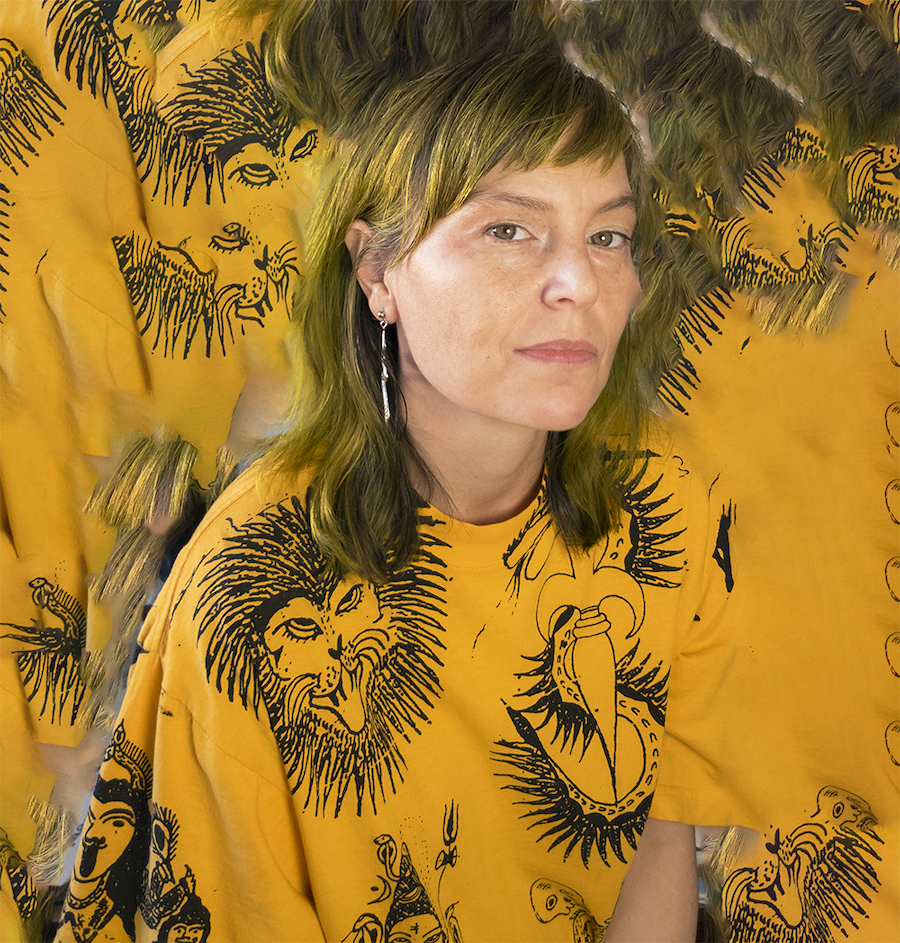
Gearhart, Dakota
Dakota Gearhart
Read more
Dakota Gearhart
| Grant Category: | Fulbright-Nehru Academic & Professional Excellence Award (Research) |
| Project Title: | Animating Ecology: A Collaborative Folk Video Series on India’s Ecological Knowledge Systems |
| Field of Study: | Arts |
| Home Institution: | Pratt Institute, Brooklyn, NY |
| Host Institution: | Banaras Hindu University, Varanasi, Uttar Pradesh |
| Grant Start Month: | November 2026 |
| Duration of Grant: | Six months |
Brief Bio:
Ms. Dakota Gearhart is an interdisciplinary artist based in New York. Her artwork examines the environment and how it is perceived. She is the creator of a collaborative animated series called Life Touching Life that invites scientists, researchers, and caretakers to share observations on consciousness and its relationship to biodiversity. Her work has been supported by the New Museum, United States Artists, Japan-U.S. Friendship Commission, Franklin Furnace, and the National Endowment for the Arts, and more. She teaches as a visiting faculty at Pratt Institute in Brooklyn, New York.
Ms. Gearhart’s Fulbright-Nehru research project is developing a collaborative animated video series called Animating Ecology exploring India’s ecological knowledge through folk art, music, and storytelling. Working with Indian scholars, artists, and musicians, she is cocreating four episodes inspired by the Sundarbans, Western Ghats, Thar Desert, and Khangchendzonga by integrating regional artistic traditions. She is also conducting workshops and making public presentations. The project culminates in screening tours in India and New York aimed at advancing cultural exchange, collective education, and Fulbright’s mission of international understanding.

Gill, Harjant
Harjant Gill
Read more
Harjant Gill
| Grant Category: | Fulbright-Nehru Academic & Professional Excellence Award (Research) |
| Project Title: | The Look of Safety: Security Aesthetics in New Delhi |
| Field of Study: | Anthropology |
| Home Institution: | Towson University, Maryland, DC |
| Host Institution: | Jamia Millia Islamia, New Delhi, Delhi |
| Grant Start Month: | December 2026 |
| Duration of Grant: | Eight months |
Brief Bio:
Dr. Harjant Gill is a professor of anthropology at Towson University and an award-winning documentary filmmaker whose work bridges ethnography, visual storytelling, and public scholarship. His research and creative practice explore masculinity, migration, media, religion, and popular culture in South Asia and its diasporas, with a particular focus on Punjab and Sikh communities. Through film and writing, he examines how intimate lives are shaped by patriarchy, nationalism, violence, and transnational mobility. Dr. Gill is the director of the internationally recognized documentary films Roots of Love, Mardistan/Macholand, and Sent Away Boys. His work has been broadcast on the BBC, PBS, and India’s Doordarshan, and screened widely at universities, film festivals, and public forums around the world. His scholarship has appeared in leading journals, including American Anthropologist, Ethnography, and Visual Anthropology Review. Dr. Gill’s forthcoming book, Coming of Age in Macholand (University of Chicago Press), offers a deeply personal ethnographic exploration of patriarchy, masculinity, violence, and migration in the Indian state of Punjab. He has received fellowships and awards from the American Institute of Indian Studies, the United States-India Educational Foundation, the Point Foundation, and the Wenner-Gren, Whiting, and Woodrow Wilson foundations. Born in Chandigarh, India, he now lives in Washington, D.C.
Dr. Gill’s Fulbright-Nehru project is exploring the everyday aesthetics of security in contemporary urban life. Through images, objects, and built environments, it is examining how barriers, checkpoints, cameras, fences, lighting, and architectural details quietly shape public space and social experience. The project is attending to the textures, moods, and visual languages of protection that have become ordinary and familiar. It is studying how security is designed and displayed to be absorbed into daily routines, thereby influencing movement, comfort, aspiration, and belonging. The project is also tracing how ideas of safety become materialized in subtle visual forms that structure the atmosphere and appearance of everyday life.

Jokerst , Jesse
Jesse Jokerst
Read more
Jesse Jokerst
| Grant Category: | Fulbright-Nehru Academic & Professional Excellence Award (Research) |
| Project Title: | Real-Time Diagnosis of Infectious Disease |
| Field of Study: | Medical Sciences |
| Home Institution: | University of California- San Diego, La Jolla, CA |
| Host Institution: | Indian Institute of Technology Delhi, New Delhi, Delhi |
| Grant Start Month: | March 2027 |
| Duration of Grant: | Five months |
Brief Bio:
Dr. Jesse Jokerst is a professor in the Aiiso Yufeng Li Family Department of Chemical and Nano Engineering at the University of California San Diego (UCSD). He graduated cum laude from Truman State University (Kirksville, MO) in 2003 with a BS in Chemistry and completed a PhD in chemistry from the University of Texas at Austin in 2009 (adviser: John T. McDevitt). He was a postdoc with the late Prof. Sanjiv Sam Gambhir at Stanford Radiology from 2009 to 2013, and was an instructor in the same department from 2013 to 2015. Dr. Jokerst joined UCSD in July 2015 where he leads a research program that integrates three distinct yet interdependent pillars: synthesis of nanoparticles, peptides, and small molecules; engineering of custom acoustic hardware and software tools; and human subjects research. Imaging (ultrasound, photoacoustics, and optical imaging) is the “glue” that binds these research areas together. His lab has active human subjects trials in wound care, COVID, arthritis, anticoagulation, and dentistry.
Dr. Jokerst has raised over USD 20 million to support his work, and has published over 180 manuscripts. His former trainees are at top universities and companies, including MIT, Harvard, Apple, and Intel. Dr. Jokerst has received the NIH K99/R00 Pathway to Independence Award, the NIH New Innovator Award, the NSF CAREER Award, and the Stanford Radiology Alumni of the Year Award; he is also a Truman State Distinguished Alumni Fellow. Further, he is an associate editor at ACS Applied Materials & Interfaces and former chair of the NIH study section on imaging probes and contrast agents.
Dr. Jokerst’s Fulbright-Nehru project is developing a fast, inexpensive test for active TB in rural and resource-limited settings in India. This project will generate materials science and biotechnology tools with applications beyond TB, and thus benefit U.S. taxpayers with new assays for flu, colds, and foodborne illness. For Indian citizens, it will deliver a portable, rugged TB diagnostic usable in both urban and remote settings.
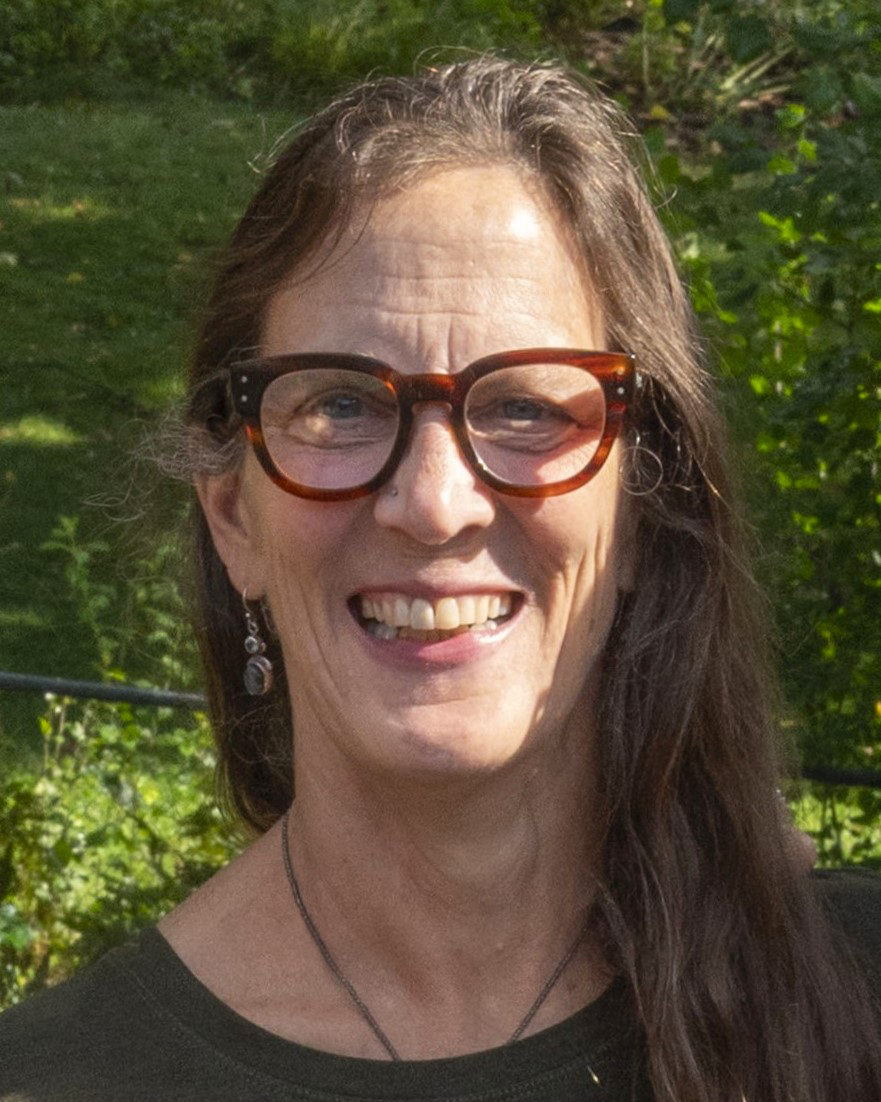
Krumm, Tracy
Tracy Krumm
Read more
Tracy Krumm
| Grant Category: | Fulbright-Nehru Academic & Professional Excellence Award (Research) |
| Project Title: | Exploring Innovation in Textile Traditions in Gujarat through Practice and Collaboration |
| Field of Study: | Fine Arts |
| Home Institution: | Textile Center, Minneapolis, MN |
| Host Institution: | The Maharaja Sayajirao University of Baroda, Vadodara, Gujarat |
| Grant Start Month: | January 2027 |
| Duration of Grant: | Six months |
Brief Bio:
Ms. Tracy Krumm is director for artistic advancement at the Textile Center of Minnesota, where she also serves as curator, McKnight Fellowship director, and program consultant. An artist and educator with more than 35 years of experience, she has exhibited, taught, and lectured extensively. Her leadership and administrative work spans more than two decades of teaching, mentorship, and committee service, including appointments as visiting assistant professor at North Carolina State University’s art and design program and as assistant professor of fiber art at Kansas City Art Institute. She has served as a visiting artist and lecturer at over 30 institutions nationwide, leading workshops and critiques for college students, lifelong learners, and practicing artists in fiber art and textile traditions. Her honors include a McKnight Visual Artist Fellowship, nominations for both USA Artist and the Tiffany Foundation Biennial awards, two International Folk Art Foundation project grants, and two Minnesota State Arts Board Artist Initiative grants.
Her work has been included in the International Triennial of Tapestry, the Cheongju Craft Biennale, the Betonac Prize, and Young Americans in New York, as well as in more than 200 other exhibitions around the world. In 2012, the National Museum of Women in the Arts named her a Woman to Watch. Her work has also been featured in publications like the New York Times, Metalsmith, Sculpture, American Craft, and Surface Design Journal, as well as in the books, Textiles: The Art of Mankind (Thames & Hudson, 2012) and Cloth 100 Artists (Abrams, 2025).
Ms. Krumm’s work is part of the collections of the Minneapolis Institute of Art, the Museum of Fine Arts (Houston), the Denver Art Museum, Kansas State University, Bloomingdale’s, the U.S. Embassy in Djibouti, the New Mexico Museum of Art, the Ford Motor Company, and the Heising-Simons Foundation.
Ms. Krumm’s Fulbright-Nehru project is developing a collaborative model of co-creation between U.S. and Indian artists through Gujarat’s textile traditions – ajrakh, bandhani, weaving, and embroidery. Moving beyond transactional designer–artisan relationships, it is emphasizing upon shared authorship, fair trade, and artisan agency. The project, through studio exchange, reciprocal teaching, and fieldwork with the Khatri and Vankar communities, as well as with nomadic communities, is expected to generate new textile vocabularies, strengthen artisan visibility, and support sustainable livelihoods. The outcomes of the project – collaborative works, exhibitions, and publications – will extend impact across artistic and academic communities, thereby offering a replicable framework for equitable cross-cultural collaboration.
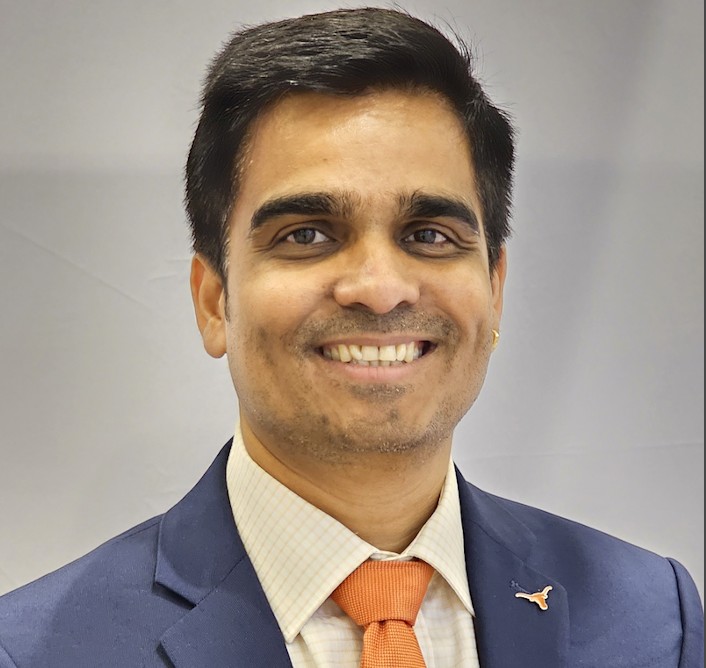
Mishra, Srikanta
Srikanta Mishra
Read more
Srikanta Mishra
| Grant Category: | Fulbright-Nehru Academic & Professional Excellence Award (Research) |
| Project Title: | Aging of Hearing and Cognition (Healthy Auditory Brain) |
| Field of Study: | Neuroscience |
| Home Institution: | University of Texas at Austin, Austin, TX |
| Host Institution: | Indian Institute of Science, Bengaluru, Karnataka |
| Grant Start Month: | December 2026 |
| Duration of Grant: | Four months |
Brief Bio:
“Blindness separates people from things; deafness separates people from people.” — Helen Keller
What if you struggle to follow conversations in a noisy restaurant or classroom, yet a hearing test tells you your hearing is “normal”? Why do some people hear effortlessly while others struggle long before any obvious hearing loss appears? These and many other questions that affect millions of people are at the center of Dr. Srikanta Mishra’s research.
Dr. Mishra is an audiologist, auditory neuroscientist, and educator who studies the earliest signs of hearing changes that may occur years before they become visible on standard hearing tests. He completed his schooling from Jawahar Navodaya Vidyalaya, a unique residential public school system designed to nurture talented students from diverse and often underserved communities. This early educational experience shaped his appreciation for opportunity, education, and the importance of expanding access across backgrounds. He later pursued higher education in India, completed doctoral training in the UK, and continued his research career in the U.S., giving him an international perspective on science, hearing healthcare, and education. He is currently a tenured associate professor at the University of Texas at Austin.
His research explores why some individuals, children and adults alike, experience listening difficulties despite appearing to have “normal” hearing. By combining neuroscience, clinical science, engineering, and computational approaches, Dr. Mishra seeks to identify subtle changes in the auditory system at an early stage; his endeavor is to improve how hearing problems are detected and treated. His work aims to move hearing healthcare beyond simply asking whether someone can hear sounds, toward understanding how people function in real-world environments. Supported by research funding from the National Institutes of Health, Dr. Mishra is also committed to mentoring future scientists and building international collaborations.
Dr. Mishra’s Fulbright-Nehru research project is addressing a growing global health challenge at the intersection of hearing and brain health. Today, approximately 1.5 billion people worldwide live with hearing loss, and more than 55 million people live with dementia. The project is focusing on hearing loss, one of the largest modifiable risk factors for dementia, and is examining how social and economic inequalities shape these conditions in low- and middle-income countries. Working with the Centre for Brain Research at the Indian Institute of Science, Dr. Mishra aims to improve early identification and intervention strategies that may help people maintain healthier hearing, healthier brains, and better quality of life as they age.
Mitra, Tanushree
Tanushree Mitra
Read more
Tanushree Mitra
| Grant Category: | Fulbright-Nehru Academic & Professional Excellence Award (Research) |
| Project Title: | Understanding Socio-Cultural Behaviors, Risks, & Capabilities of Generative AI Technologies |
| Field of Study: | Computer Science |
| Home Institution: | University of Washington, Seattle, WA |
| Host Institution: | Indian Institute of Technology - Bombay, Mumbai, Maharashtra |
| Grant Start Month: | November 2026 |
| Duration of Grant: | Four months |
Brief Bio:
Dr. Tanushree Mitra is an associate professor at the University of Washington’s Information School, where she leads the Social Computing and Algorithmic Experiences (SCALE) lab group. Her research focus is on human-centered AI and responsible AI wherein she combines computational techniques, AI, natural language processing (NLP), and social science principles to study the complex social processes underlying human–human and human–computer interactions in large-scale online systems. As an interdisciplinary scholar, she draws from a range of methods from the fields of human–computer interactions, large-scale data analytics, machine learning, and AI. Her work consistently centers human impact, interpretability, and the translation of research into real-world governance and safety solutions. Dr. Mitra’s research has been recognized through multiple honors, including an NSF-CAREER, an NSF-CRII, an early career ONR-YIP, and an Adamic-Glance Distinguished Young Researcher awards, along with several best paper awards. She received her PhD in computer science from Georgia Tech’s School of Interactive Computing.
Dr. Mitra’s Fulbright-Nehru project is examining how generative AI systems, such as large language and text-to-image models, reproduce sociocultural biases and misalignments, especially in high-stakes domains in Global South contexts. In partnership with the host institution, the project is developing methodologies to audit AI systems for cultural risks, and is building mixed-initiative workflows by combining machine intelligence, crowd workers, and experts to evaluate those risks at scale. The expected outcomes include new sociocultural AI audit frameworks, datasets, and evaluation metrics, culturally grounded AI capabilities, scalable annotation systems, peer-reviewed research, and strengthened international collaborations focused on responsible, equitable, and globally inclusive AI development.
Pai, Gita
Gita Pai
Read more
Gita Pai
| Grant Category: | Fulbright-Nehru Academic & Professional Excellence Award (Research) |
| Project Title: | In Pursuit of Dancing Shiva: The History of India’s Iconic Cultural Treasure |
| Field of Study: | History |
| Home Institution: | University of Wisconsin-La Crosse, La Crosse, WI |
| Host Institution: | French Institute of Pondicherry, Puducherry, Puducherry |
| Grant Start Month: | January 2027 |
| Duration of Grant: | Four months |
Brief Bio:
Dr. Gita Pai is a professor of history and the director of the International & Global Studies Program at the University of Wisconsin-La Crosse (UWL). Since joining the UWL faculty in 2010 after her MA and PhD from the University of California, Berkeley, she has specialized as a cultural historian of early modern to modern South Asia, focusing on south-eastern India (present-day Tamil Nadu). Her research, supported by the Fulbright-Hays Program, the Townsend Center for the Humanities at UC Berkeley, the American Association of University Women, and UWL Faculty Research Grants, culminated in her first book, Architecture of Sovereignty: Stone Bodies, Colonial Gazes, and Living Gods in South India (Cambridge University Press, 2023). This work traces the historical transformations of a prominent temple site in Madurai through the lenses of architecture, sovereignty, visual culture, ritual practice, gender, and cultural tourism.
During her current Fulbright-Nehru tenure, Dr. Pai is advancing her book-in-progress, In Pursuit of Dancing Śiva: The History of India’s Iconic Cultural Treasure. Her research is examining the journey of Śiva Naṭarāja (Lord of Dance), a pinnacle of South Asian sculpture, from being a medieval Tamil devotional object to a centerpiece of contemporary restitution disputes. The project is also analyzing the icon’s evolution into a global symbol of Indian and Hindu identity. Dr. Pai is a past recipient of fellowships from the American Institute of Indian Studies and the Fulbright-Nehru Program.
Pascoe , James
James Pascoe
Read more
James Pascoe
| Grant Category: | Fulbright-Nehru Academic & Professional Excellence Award (Research) |
| Project Title: | Complex Analysis and Operator Theory in India |
| Field of Study: | Mathematics |
| Home Institution: | Drexel University, Philadelphia, PA |
| Host Institution: | Indian Institute of Science, Bengaluru, Karnataka |
| Grant Start Month: | January 2027 |
| Duration of Grant: | Nine months |
Brief Bio:
Prof. James Pascoe is an assistant professor of mathematics at Drexel University, working in various areas of mathematics. He graduated from the University of California, San Diego, under the guidance of Prof. Jim Agler in 2015. Prof. Pascoe’s international collaborations span the globe and a variety of mathematical topics, all united by the theme of using functional analysis to explore the semantic meaning of mathematics through a variety of avatars of mathematics. His existing collaborations with junior mathematicians in India include those with Sujit Sakharam Damase, Chandan Pradhan, and Nitin Tomar.
For his Fulbright-Nehru project, Prof. Pascoe is working with researchers at the Indian Institute of Science, Bengaluru, with a focus on creating material links between the operator theory research communities in the United States and India. As part of the project, Prof. Pascoe, inspired by the great Hungarian mathematician Paul Erdős, is visiting various institutes in India and speaking on topics in modern operator theory, while also helping junior mathematicians in establishing their research programs and connections with the global community.
Rinder, Lenore
Lenore Rinder
Read more
Lenore Rinder
| Grant Category: | Fulbright-Nehru Academic & Professional Excellence Award (Research) |
| Project Title: | Kids for Tigers, Designing for their Future |
| Field of Study: | Film/Cinema Studies |
| Home Institution: | At-Large, Milwaukee, WI |
| Host Institution: | Srishti Manipal Institute of Art Design and Technology, Bengaluru, Karnataka |
| Grant Start Month: | November 2026 |
| Duration of Grant: | Four months |
Brief Bio:
Ms. Lenore Rinder is an independent filmmaker based in the United States. She holds an MFA degree in film/painting from the University of Wisconsin-Milwaukee. She has worked as a photojournalist for newspapers in Wisconsin and Idaho, and as a staff photographer for the Ballet Folk of Moscow, a touring dance company based in Idaho. She has taught film, animation, and painting at UW-Milwaukee, and was also a producer-director with Time Warner Cable’s Community Television. For 12 years, she worked as a visual communications instructor for incarcerated teenagers at the Ethan Allen School for Boys, through Wisconsin’s Department of Corrections.
In 2013, fueled by her passion for wildlife conservation, she began to make documentaries on the subject, with a focus on the marginalized indigenous communities in India. Using the video as a lens to examine the impact of environmental degradation and animal extinction on humans, she has been exploring the intersection between nature conservation and social justice issues. Her short films feature: a covert cottage industry of fake tiger skin artisans; poachers finding alternative income catching and releasing urban monkeys; a family-run craft cooperative adjacent to a tiger park in Rajasthan; and an elephant sanctuary camp in Dubare, Karnataka. As a visual artist who paints and creates animation, Ms. Lenore weaves digital images into her live action documentary footage.
Her films have been screened at several international festivals, such as Ethnografilm Paris, the Athvikvaruni International Film Festival in Tamil Nadu, and the Rome Prisma Independent Film Awards. Her film, Kagaraja, was a winner at the Tagore International Film Festival, Bolpur, India, in 2021. Ms. Lenore has received three grants from the Greater Milwaukee Foundation’s Mary L. Nohl Fund. In 2019, the Indian Institute of World Culture invited her to screen her documentary, People of the Wild Tiger. In 2025, her four documentaries had their world premiere in Bengaluru.
For her Fulbright-Nehru project, Ms. Lenore is making a documentary titled “Kids for Tigers, Designing Their Future”. That will be the culmination of 13 years of research, working with nature guides, villagers, and educators. Through the project, she is also continuing to film the children who are part of an educational program called Kids for Tigers. Besides, she is engaging with students at the Srishti Manipal Institute of Art, Design and Technology, where she is facilitating communication between Indian and American students on art, conservation, and culture.
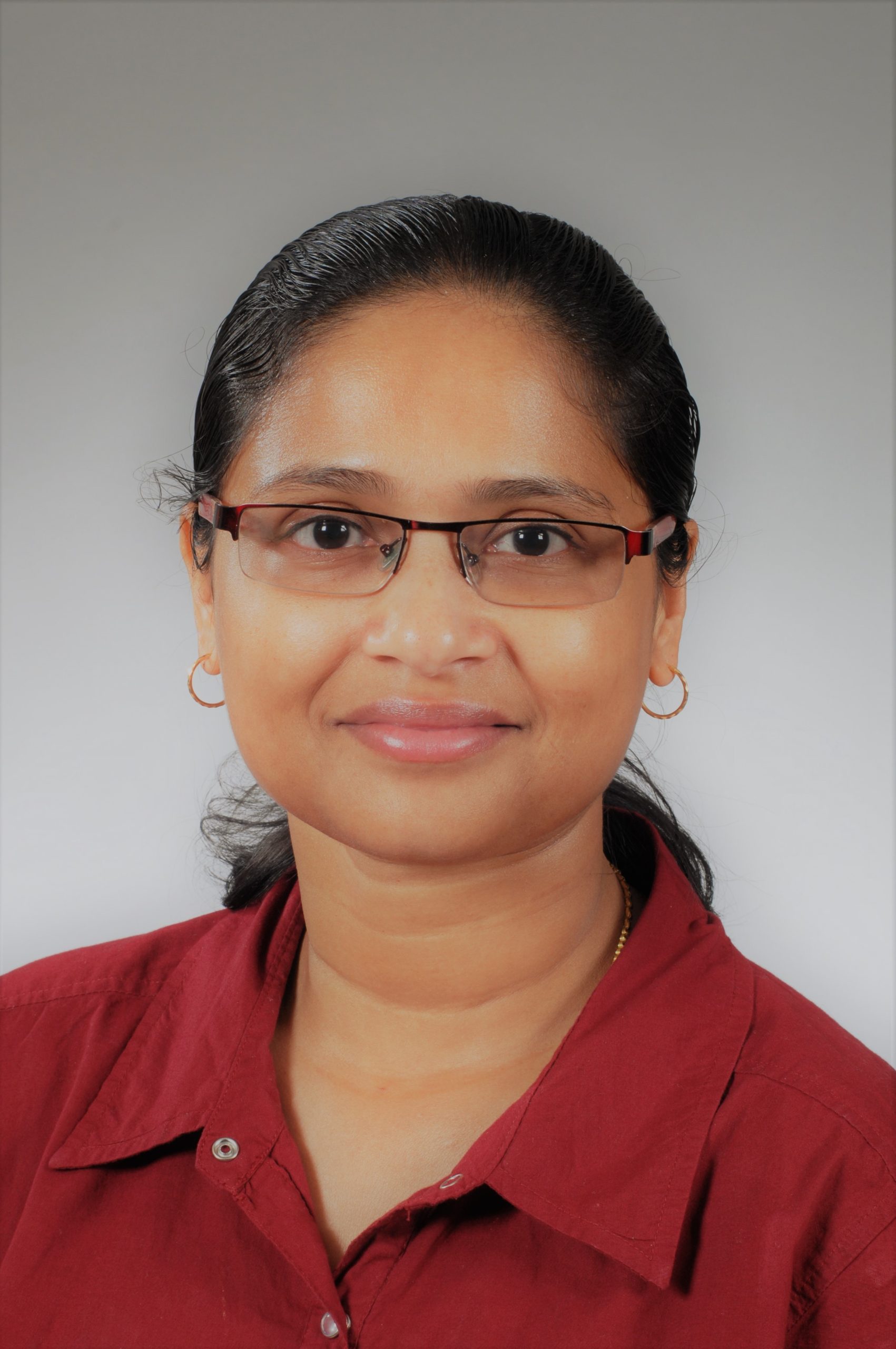
Sankaran, Sindhuja
Sindhuja Sankaran
Read more
Sindhuja Sankaran
| Grant Category: | Fulbright-Nehru Academic & Professional Excellence Award (Research) |
| Project Title: | Phenomics-enabled Tools to Understand Plant Physiology and Improve Germplasm Development |
| Field of Study: | Phenomics/Agricultural Engineering |
| Home Institution: | Washington State University, Pullman, WA |
| Host Institution: | ICRISAT (International Crops Research Institute for the Semi-Arid Tropics), Hyderabad, Telangana |
| Grant Start Month: | August 2026 |
| Duration of Grant: | Three and a half months |
Brief Bio:
Dr. Sindhuja Sankaran is a professor in the Department of Biological Systems Engineering at Washington State University (WSU). Her research is in the nascent and evolving field of phenomics, which involves the design, development, integration, testing, and deployment of a range of cutting-edge sensor technologies to advance crop phenotype monitoring – an important component of plant breeding, crop science, and precision agriculture research and applications. The sensor technologies are used for automated, non-invasive, rapid, and continuous monitoring of plant responses to the environment and abiotic and biotic stressors on a scale previously unattainable, and contribute to addressing pressing challenges in global food security and sustainable agriculture.
Dr. Sankaran has published over 110 peer-reviewed articles and has given over 95 outreach talks. She has been successful in securing internal and external competitive grants worth USD 33 million (with USD 4.2 million going into her program), mostly from the U.S. Department of Agriculture and the National Institute of Food and Agriculture (USDA-NIFA) programs. She leads the USDA-NIFA Research and Extension Experiences for Undergraduates project on research and extension partnership for accelerated technology adoption and resilient agricultural systems.
Dr. Sankaran is an active member of the American Society of Agricultural and Biological Engineers (ASABE), the National Association of Plant Breeders (NAPB), and the North American Plant Phenotyping Network (NAPPN). She is an associate Editor of the Plant Phenome Journal and Computers and Electronics in Agriculture. She is a recipient of the Early Career Excellence Award from the College of Agricultural, Human, and Natural Resource Sciences at WSU, the Outstanding Associate Editor award from ASABE’s Plant Phenome Journal, an ASABE Leadership Citation, and an International Society for Horticultural Science (ISHS) Medal, among others.
Phenomics refers to multidimensional phenotyping through sensing and automation to facilitate objective and quantitative assessment of crop responses. This aids in the critical process used for selecting stress-tolerant, high-performing crop varieties, cultivars, and hybrids in crop breeding programs, which is one of the key strategies in addressing issues related to food security. Dr. Sankaran’s Fulbright-Nehru project is developing phenomics-enabled decision support tools for understanding plant physiology in order to enhance the development of germplasms. Her project in India of facilitating the development and applications of phenomics tools will also benefit crop breeding programs in the U.S. and worldwide.
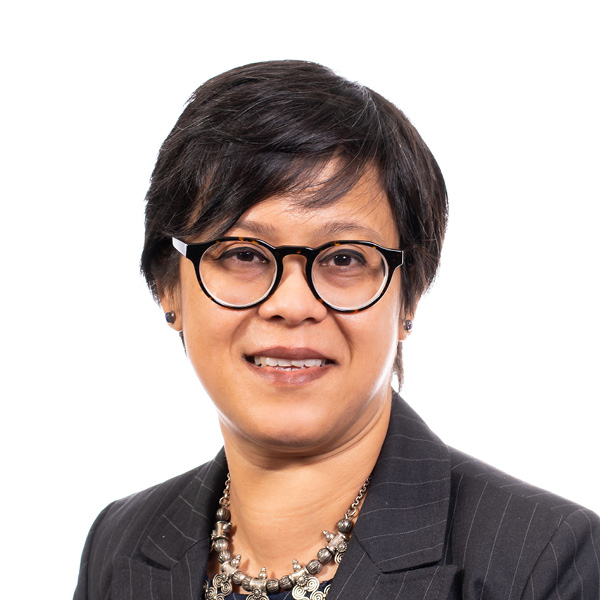
Sanyal, Paromita
Paromita Sanyal
Read more
Paromita Sanyal
| Grant Category: | Fulbright-Nehru Academic & Professional Excellence Award (Research) |
| Project Title: | Forging Financial Cultures: The Digital Transformation of Finance and Low-Income Publics in India |
| Field of Study: | Sociology |
| Home Institution: | Florida State University, Tallahassee, FL |
| Host Institution: | Indian Institute of Management - Calcutta, Kolkata, West Bengal |
| Grant Start Month: | May 2027 |
| Duration of Grant: | Six months |
Brief Bio:
Prof. Paromita Sanyal is a professor of sociology at Florida State University. She holds a PhD in sociology from Harvard University, an MA from Jawaharlal Nehru University, New Delhi, and a BA from Presidency College, Kolkata.
Prof. Sanyal’s research lies at the intersection of economic sociology, development, deliberative democracy, and gender, with a sustained focus on how people living under conditions of structural inequality pursue agency, mobility, and collective power. Her work spans the Global South and the United States, examining microfinance and women’s empowerment in rural India, self-help groups and gender justice in India, household debt and financial precarity among working-class households in urban India, and platform labor and its consequences in India and the U.S. She has conducted extensive fieldwork in India.
She is the author/co-author of several books with Cambridge University Press: Credit to Capabilities: A Sociological Study of Microcredit Groups in India (2014), which won the American Sociological Association’s Outstanding Book Award in the Sociology of Development category; Oral Democracy: Deliberation in Indian Village Assemblies (2019); and Revolution by Stealth: How Women’s Groups Catalyzed a Cultural Transformation in Bihar. Another book, Rethinking Credit: Shaping Solutions to Social Problems, is currently under preparation.
Prof. Sanyal has held faculty positions at Cornell University and Wesleyan University, and has collaborated on research funded by the Social Science Research Council, the International Initiative for Impact Evaluation, and the Gates Foundation, among others. For over a decade, she was a research consultant to the World Bank’s Development Research Group. She has also presented her research at the United Nations, the World Bank, and major international scholarly venues.
Prof. Sanyal’s Fulbright-Nehru project is investigating how low-income communities in India are experiencing the digital transformation of finance, with the focus being on digital payment systems and AI-enabled credit. India, the world’s fastest-growing fintech market, offers a critical site for understanding the opportunities and challenges of technology-driven financial inclusion. Drawing on ethnographic fieldwork and interviews, the study is examining how low-income publics adopt, adapt to, or resist digital financial tools, and how their responses are shaped by social, infrastructural, and moral–economic contexts. The research is bridging scholarship on financial practices and technological innovation, while informing policy by highlighting barriers to adoption, risks of exclusion, and strategies for ethical fintech design.
Satpathy, Sashi
Sashi Satpathy
Read more
Sashi Satpathy
| Grant Category: | Fulbright-Nehru Academic & Professional Excellence Award (Research) |
| Project Title: | Orbital Transport in Solids: Basic Science for Future Electronics |
| Field of Study: | Physics |
| Home Institution: | University of Missouri, Columbia, MO |
| Host Institution: | Indian Institute of Technology Madras, Chennai, Tamil Nadu |
| Grant Start Month: | January 2027 |
| Duration of Grant: | Six months |
Brief Bio:
Prof. Sashi Satpathy obtained his PhD in physics from the University of Illinois Urbana-Champaign in 1982, his MSc from the Indian Institute of Technology Kanpur in 1977, and his BSc from Utkal University, India. After several years of postdoctoral work at the Max Planck Institute, Stuttgart, and the Xerox Palo Alto Research Center, California, he joined the physics department at the University of Missouri, Columbia, in 1987 as an assistant professor, where he is currently a curators’ distinguished professor of physics. Prof. Satpathy’s research area is theoretical condensed matter physics. He has over 150 publications in scientific journals and has mentored about 20 doctoral and postdoctoral scholars over his career. Well known for a number of seminal contributions to the electronic structure theory of solids as well as to the photonic band structure, Prof. Satpathy uses both numerical and analytical tools to study contemporary problems in condensed matter physics. Recent examples are strong spin-orbit coupled systems, orbital Hall and spin Hall effects, and the physics of the skyrmions. He is a fellow of the American Physical Society, the American Association for the Advancement of Science, and the Institute of Physics, London.
Carrying information using spin and orbital transport, as opposed to the standard charge transport, is an emerging area of research in condensed matter physics, which has the potential to revolutionize future electronics. Prof. Satpathy’s Fulbright-Nehru project is developing a fundamental understanding about orbital transport, specifically about the orbital Hall effect, which involves transport of orbital moments. Toward this, theoretical models are being developed and the results are being validated through calculations based on the density functional theory.

Sheridan, Matthew
Matthew Sheridan
Read more
Matthew Sheridan
| Grant Category: | Fulbright-Nehru Academic & Professional Excellence Award (Research) |
| Project Title: | Elephants in the Room |
| Field of Study: | Arts: Intermedia/Multimedia |
| Home Institution: | Geffen Academy at UCLA, Los Angeles, CA |
| Host Institution: | TBD, TBD, TBD |
| Grant Start Month: | March 2027 |
| Duration of Grant: | Four and a half months |
Brief Bio:
Mr. Matthew Sheridan is a Los Angeles-based abstract artist who is constantly learning from global philosophies while working toward animating the blind spots in the collective reality of humankind. His non-objective paintings and animations generate worlds of plug-and-play constructivist expressionism where his work’s meaning comes from its actions on paper and canvas, as well as via in situ video projections.
A BFA from New York University and an MFA from California’s ArtCenter College of Design, Mr. Sheridan has held 13 solo exhibitions to date. His video has been screened in two Olympic Games and his work has been exhibited in museums like Centre Pompidou and Jeu de Paume in Paris, and CICA in South Korea.
Mr. Sheridan has participated in artist residencies such as Fountainhead in Miami, Instituto Sacatar in Brazil, and La Napoule Art Foundation in France. He has also won grants and residencies, including the Pollock-Krasner Foundation Grant; an audiovisual grant from the secretary of culture of Bahia, Brazil; a Paradise AIR Residency sponsored by Japan’s Agency for Cultural Affairs (Bunka-cho); and three UCLA faculty development grants.
In the summer of 2025, Mr. Sheridan collaborated with visual artist Vishwa Shroff, architect Katsushi Goto, and philosopher Rohit Goel on a series of short, animated, live-mixed architectural video projections in Mumbai and Vadodara, India. This was followed in autumn 2025 by a solo exhibition in CDMX, Mexico, called Destino Floreciente; there, he premiered a new bespoke work for Mexico City entitled Doom In Bloom. His work is part of collections in America, France, and Australia.
Mr. Sheridan has taught at NYU/Tisch in New York and Singapore, the School of Visual Arts in New York, and at UCLA’s Geffen Academy in Los Angeles.
Mr. Sheridan’s Fulbright-Nehru project, “Elephants in the Room”, is a multidisciplinary collaboration between two visual artists, an architect, and a philosopher who theorize, then visualize, about intersections between eastern, western, and global philosophies, to expand beyond the sensory limitations of contemporary “society of the spectacle”. It is employing the Gesamtkunstwerk (total work of art) approach for the deliverables, including drawing, painting, installation-based animated architectural projections, live-mixed video, exploratory music and audio with experimental documentary, and narrative cinema. Essentially, this collaborative project is reconceiving architecture/built form as a fluid interface in an attempt to animate the blind spots in humankind’s shared reality.
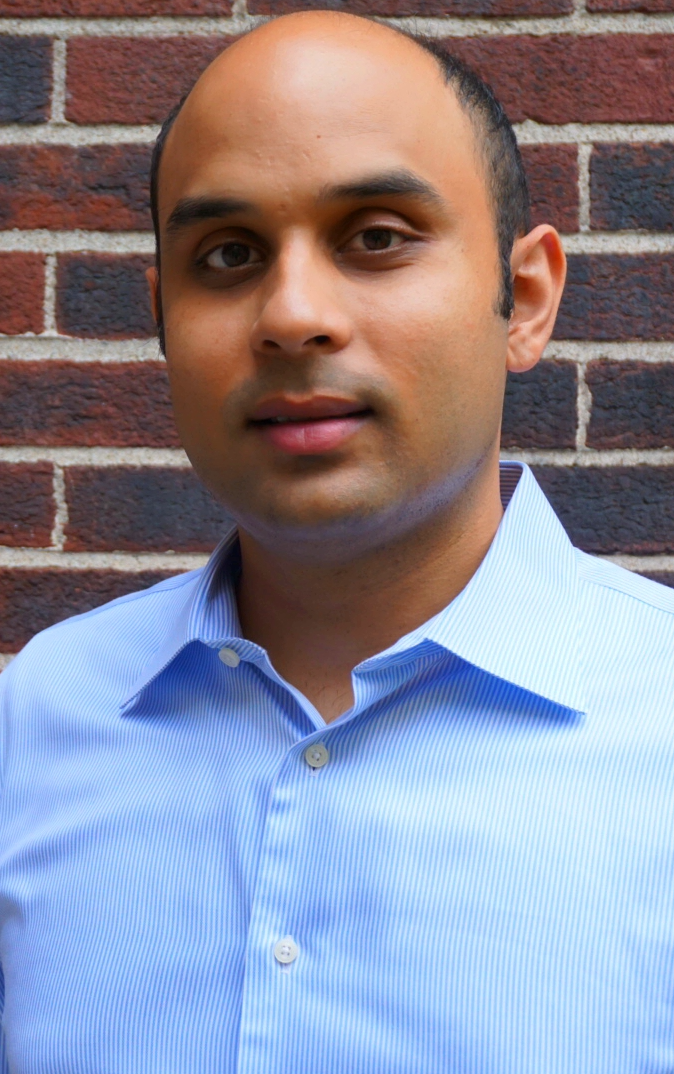
Sheth, Sudev
Sudev Sheth
Read more
Sudev Sheth
| Grant Category: | Fulbright-Nehru Academic & Professional Excellence Award (Research) |
| Project Title: | Ahmedabad’s Architects: Merchant Capitalism and Shaping a City across Seven Centuries |
| Field of Study: | History |
| Home Institution: | University of Pennsylvania, Philadelphia, PA |
| Host Institution: | CEPT University, Ahmedabad, Gujarat |
| Grant Start Month: | May 2027 |
| Duration of Grant: | Six months |
Brief Bio:
Dr. Sudev Sheth is a senior lecturer at the University of Pennsylvania, where he holds a joint appointment in the Department of History and the Lauder Institute at the Wharton School. His research and teaching sit at the intersection of economic history, urban studies, and global business, with a particular focus on South Asia.
He received his PhD in history and South Asia studies from the University of Pennsylvania, following an MA from Jawaharlal Nehru University and undergraduate degrees from the University of California, Berkeley. Before joining Penn, he was the Harvard-Newcomen Fellow in Business History at Harvard Business School.
Dr. Sheth is the author of Bankrolling Empire: Family Fortunes and Political Transformation in Mughal India (Cambridge University Press, 2024), which examines how merchant families shaped political authority during a period of imperial decline. His broader body of work explores the role of business actors in shaping institutions, governance, and social life across time. His research has appeared in leading journals such as Business History Review, Journal of the Economic and Social History of the Orient, and Manuscript Studies. He has also written for public-facing platforms such as Scroll and the Wire.
At Penn, Dr. Sheth teaches courses such as “Global Business through the Humanities” and “The City Paradox: Design, Innovation, and Leadership”, which examine how ideas, markets, and institutions have shaped the modern world. His teaching has been recognized for its interdisciplinary approach and engagement with global perspectives.
Dr. Sheth’s Fulbright-Nehru project, “Ahmedabad’s Architects: Merchant Capitalism and Shaping a City across Seven Centuries”, is investigating how business communities have shaped urban development, governance, and architecture in one of India’s most dynamic cities. Drawing on archival research, oral histories, and analysis of the built environment, the project is tracing how business families developed institutions for credit, governance, and civic life which linked the city of Ahmedabad to regional and global networks. By foregrounding business-led forms of urban transformation, the study is attempting to offer new perspectives on capitalism, development, and the relationship between economic power and civic authority.
Singh, Arunima
Arunima Singh
Read more
Arunima Singh
| Grant Category: | Fulbright-Nehru Academic & Professional Excellence Award (Research) |
| Project Title: | Machine Learning-Enabled Design of Quantum Material Heterostructures for Next-Generation Electronics |
| Field of Study: | Physics |
| Home Institution: | Arizona State University, Tempe, AZ |
| Host Institution: | Tata Institute of Fundamental Research, Mumbai, Maharashtra |
| Grant Start Month: | September 2026 |
| Duration of Grant: | Four months |
Brief Bio:
Prof. Arunima Singh is an associate professor of physics and a graduate faculty member in the Materials Science and Engineering program at Arizona State University. She received her PhD from Cornell University and held postdoctoral appointments at Lawrence Berkeley National Laboratory and the National Institute of Standards and Technology. Prof. Singh has received notable accolades, including the Department of Energy Early Career Research Program Award, The Mineral, Metal, and Materials Society (TMS) Young Leaders Professional Development Award, and the Department of Defense Faculty Fellowship. Her research integrates first-principles computational methods and artificial intelligence to accelerate materials discovery, synthesis, and applications, with an emphasis on understanding and controlling physical phenomena at the surfaces and interfaces of materials.
Prof. Singh’s Fulbright-Nehru research project is focusing on accelerating the discovery of quantum–semiconductor material heterostructures for the next-generation spintronic, neuromorphic, sensing, and topological devices. By combining machine learning, high-throughput first-principles simulations, and molecular beam epitaxy, the project is designing and fabricating atomically precise interfaces with controllable electronic properties. This integrated approach is expected to reveal the fundamental rules governing the complex interfaces in quantum–semiconductor heterostructures, establish advanced growth protocols through advanced synthesis methods, and lead to stable materials platforms for energy-efficient and scalable quantum technologies.

Singha, Kamini
Kamini Singha
Read more
Kamini Singha
| Grant Category: | Fulbright-Nehru Academic & Professional Excellence Award (Research) |
| Project Title: | Data-Driven Strategies for Climate-Resilient Apple Production in Himachal Pradesh |
| Field of Study: | Environmental Sciences |
| Home Institution: | Colorado School of Mines, Golden, CO |
| Host Institution: | Indian Institute of Technology (IIT) Mandi, Mandi, Himachal Pradesh |
| Grant Start Month: | March 2027 |
| Duration of Grant: | Four months |
Brief Bio:
Dr. Kamini Singha is a university distinguished professor and the associate dean for Research and Faculty Affairs in Earth and Society Programs at the Colorado School of Mines. A groundwater hydrologist with over 20 years of research experience, she leads one of the premier hydrogeophysics research groups in the United States. In over 130 peer-reviewed publications, her work explores the complex interactions between water, geology, and biology, specifically focusing on subsurface controls on ecohydrological function and the role of groundwater within “critical zone” systems – the vital layer of the Earth stretching from treetops to the base of aquifers. Notably, Dr. Singha’s research was the first to use geophysics to address a fundamental controversy in hydrology: the trapping of solute mass in dead-end porosity. This discovery has implications for understanding contaminant transport, self-remediation of streams, and tree water uptake.
An internationally recognized leader, Dr. Singha is a fellow of both the American Geophysical Union (AGU) and the Geological Society of America (GSA). Her contributions have been honored with prestigious invitations, including as the National Groundwater Association’s Darcy Lecturer, in which capacity she gave 81 talks across the globe in 2017, and as the AGU Witherspoon Lecturer in 2022. She is also an editor with Water Resources Research.
Beyond her research, Dr. Singha is a celebrated educator committed to mentoring the next generation of scientists. She has received numerous teaching accolades, including Penn State’s George W. Atherton Award and the Dean’s Faculty Excellence Award from the Colorado School of Mines.
Dr. Singha earned her BS in geophysics from the University of Connecticut and her PhD in hydrogeology from Stanford University. Her current work in Himachal Pradesh, India, carries deep personal significance, as she is studying the landscape and orchards of her father’s family to contribute to its environmental resilience.
Prof. Singha’s Fulbright-Nehru project aims to enhance apple-production resilience in Himachal Pradesh through data-driven strategies. Partnering with the historic Stokes Heritage Apple Orchards – the birthplace of commercial apple cultivation in the region – and IIT Mandi, the project is addressing the decline in productivity caused by rising temperatures and decreasing snow cover. Prof. Singha’s research is integrating new ground-based instrumentation, historical records, and remote-sensing data to model hydrologic controls like soil moisture and snowmelt. Ultimately, this initiative seeks to provide actionable insights for precision irrigation and management.

Whittington, Rebecca
Rebecca Whittington
Read more
Rebecca Whittington
| Grant Category: | Fulbright-Nehru Academic & Professional Excellence Award (Research) |
| Project Title: | “Our Children Don’t Know”: Translating Adivasi Literatures of Eastern India |
| Field of Study: | Literature |
| Home Institution: | University of California, Berkeley, CA |
| Host Institution: | Visva-Bharati, Santiniketan, West Bengal |
| Grant Start Month: | December 2026 |
| Duration of Grant: | Six months |
Brief Bio:
Dr. Rebecca Whittington is a scholar, literary translator, and instructor of Bangla, Tamil, and Hindi-Urdu. Her research and translation interests center on the intersections of linguistic diversity, social justice, and the environment in modern and contemporary South Asian literatures. She holds a PhD in South and Southeast Asian studies from the University of California, Berkeley (2019), and an MA in TESOL from San Francisco State University (2025). Her translations include the memoir Daughter of the Agunmukha by Noorjahan Bose (Hurst, 2023), the novel Malloban by Bangla modernist writer Jibanananda Das (Penguin India, 2022), and the poetry and prose anthology Time Will Write a Song for You: Contemporary Tamil Writing from Sri Lanka (Penguin India, 2014). She is currently working on a monograph and on several translation projects from Hindi, Bangla, and Tamil.
Dr. Whittington’s Fulbright-Nehru project is producing a critical anthology of translations of Adivasi writing from eastern India, in collaboration with writer/scholar Vandana Tete. For this, she is researching Adivasi writings from Jharkhand and West Bengal, translated into Hindi and Bangla from Adivasi languages. She is also translating texts in Hindi as well as working with the authors or bilingual co-translators on works written in Adivasi languages.
Yadav, Amol
Amol Yadav
Read more
Amol Yadav
| Grant Category: | Fulbright-Nehru Academic & Professional Excellence Award (Research) |
| Project Title: | Developing Tools, Protocols, and Capacity for Brain-Computer Interface Trials in India |
| Field of Study: | Neuroscience |
| Home Institution: | University of North Carolina at Chapel Hill, Chapel Hill, NC |
| Host Institution: | Indian Institute of Technology Delhi, New Delhi, Delhi |
| Grant Start Month: | January 2027 |
| Duration of Grant: | Six months |
Brief Bio:
Dr. Amol Yadav is a tenure-track assistant professor in the Lampe Joint Department of Biomedical Engineering at the University of North Carolina (UNC) – Chapel Hill and North Carolina State University – with affiliations in neurosurgery and neuroscience at the UNC School of Medicine. He is a biomedical engineer and neuroscientist by training. After obtaining his PhD in biomedical engineering from Duke University under the mentorship of Dr. Miguel Nicolelis, Dr. Yadav honed his expertise through advanced postdoctoral training in neurobiology and neurosurgery at Duke. This propelled him to establish the Brain-Spine-Machine Interfaces Lab at UNC. His laboratory’s research is interdisciplinary in its approach, merging techniques and concepts from brain-machine interfaces with spinal neuromodulation to innovate in the field of neuroengineering. Dr. Yadav works closely with surgeons and clinicians to adapt new therapies tested in preclinical animal models into clinical applications for patients suffering from sensorimotor loss due to neurological conditions such as Parkinson’s disease, spinal cord injury, and stroke. He is the principal investigator of several ongoing preclinical studies and clinical trials at UNC. His research efforts have been recognized with several accolades, including the NIH Director’s New Innovator Award, the NIH K12 Early Career Investigator Award, the Duke Germinator Research Award, and the UNC Junior Faculty Development Award. In addition to leading an active research group, Dr. Yadav tutors undergraduate and graduate students at UNC on brain-machine interfaces and human physiology.
Dr. Yadav’s Fulbright-Nehru project is developing clinical protocols and tools for brain-computer interface (BCI) and neuromodulation trials for the Indian patient population, in collaboration with scientists, engineers, and clinicians at IIT Delhi and AIIMS Delhi. The expected outcomes of the project include a research protocol for BCI and neuromodulation trials for sensorimotor rehabilitation, regulatory filings, clinical metrics to evaluate musculoskeletal function, Indian context-specific computational tools and algorithms, and collaborative manuscript/grant submissions.
Anjum, Javad
Javad Anjum
Read more
Javad Anjum
| Grant Category: | Fulbright-Nehru Academic & Professional Excellence Award (Teaching & Research) |
| Project Title: | A Community-Based Cognitive Enhancement Program for Older Adults in Mysuru District, India |
| Field of Study: | Education |
| Home Institution: | University of Georgia, Athens, GA |
| Host Institution: | JSS Academy of Higher Education and Research, Mysuru, Mysuru, Karnataka |
| Grant Start Month: | December 2026 |
| Duration of Grant: | Six months |
Brief Bio:
Dr. Javad Anjum is an assistant professor in the Department of Communication Sciences and Special Education at the University of Georgia. He earned an MBBS, a bachelor’s in medicine, and a bachelor’s in surgery, in India. He subsequently worked as a junior resident in the Department of Psychiatry and later pursued clinical research in the Department of Neurophysiology at the National Institute of Mental Health and Neurosciences (NIMHANS) in Bengaluru, India. He then completed an MEd in educational research and evaluation and a PhD in speech-language science, both from Ohio University. Dr. Anjum also holds a Certificate of Clinical Competence in Speech-Language Pathology (CCC-SLP) from the American Speech-Language-Hearing Association (ASHA).
Dr. Anjum’s overarching research agenda focuses on enhancing cognitive and communication outcomes for individuals affected by aphasia, a language disorder that often occurs after focal brain damage such as a stroke, and for individuals with dementia, a neurodegenerative condition that commonly affects both cognition and communication. He approaches this work through three interconnected lines of inquiry: examining the cognitive and lexical-semantic mechanisms that underlie language performance in people with aphasia and dementia; advancing equitable, person-centered neurorehabilitation models for multilingual people with aphasia and dementia; and developing interdisciplinary training programs to strengthen clinical service delivery for people with aphasia and older adults experiencing cognitive decline and dementia. His Fulbright-Nehru Scholar Award extends this third line of inquiry.
The aim of Dr. Anjum’s six-month Fulbright-Nehru flex project is to develop, implement, and evaluate an interdisciplinary cognitive enhancement program for older adults in Mysuru district. Toward this, it is tailoring evidence-based cognitive stimulation activities (brain exercises) that are culturally sensitive and linguistically appropriate for Indian families. Graduate students in public health and speech-language pathology are also part of the project; they are being trained to implement the program in 25 households, scaling up to an additional 50 households through telepractice at no cost to the recipients. The project is expected to create a sustainable model to improve cognitive health and delay dementia among older adults in India.
Arany, Praveen
Praveen Arany
Read more
Praveen Arany
| Grant Category: | Fulbright-Nehru Academic & Professional Excellence Award (Teaching & Research) |
| Project Title: | Introducing Photobiomodulation Therapy for Oral Cancer Care in India |
| Field of Study: | Medical Sciences |
| Home Institution: | University at Buffalo, New York, NY |
| Host Institution: | Guru Gobind Singh Indraprastha University, New Delhi, Delhi |
| Grant Start Month: | August 2026 |
| Duration of Grant: | Six months |
Brief Bio:
Dr. Praveen Arany is a trained dentist, oral pathologist, and biomedical engineer. He served as an assistant clinical investigator at NIDCR/NIH, Bethesda, and is currently an associate professor with tenure at the University at Buffalo, New York. He has six patents, over 150 scientific publications with over 12,000 citations, and an h-index of 43. His research has been featured in many mainstream media highlights in over 70 countries. He has also received numerous awards recognizing his research contributions, such as the Excellence in Research award from the World Association for Photobiomodulation Therapy (WALT), the Young Investigator award from the National Cancer Institute/NIH, the Young Investigator Award from the Wound Healing Society, the Horace Furumoto Young Investigator award from the American Society for Laser Medicine and Surgery, and the Theodore Maiman Award from the Academy of Laser Dentistry. He is the chair of the photobiomodulation (PBM) group in Optica and the former president of WALT, NAALT (North American Association for Photobiomodulation Therapy), and the Lasers & Bio-photonics Group of the International Association of Dental Research.
Dr. Arany has been a key figure in organizing the field of PBM. As an intramural investigator at NIDCR/NIH and in a leadership position at WALT and NAALT, he was instrumental in the adoption of the nomenclature for PBM as an MeSH term for PubMed. Among his other achievements are the demonstration of a novel PBM molecular mechanism involving latent TGF-beta 1 activation, and outlining clinical biomarkers, molecular biomarkers, treatment delivery, and dosimetry. Most recently, he advocated for procedural (insurance) codes to enable safe and effective PBM clinical protocols. This has resulted in clinical practice guidelines recommendations for treating several human diseases and promoting wellness, especially in supportive cancer care.
In India, oral cancer affects over a million people annually. Dr. Arany’s Fulbright-Nehru project is introducing the non-invasive, low-dose, and light PBM therapy for oral cancer patients in India, which has been proven to significantly improve both quality of life and quality of care.
Arockiasamy, Madasamy
Madasamy Arockiasamy
Read more
Madasamy Arockiasamy
| Grant Category: | Fulbright-Nehru Academic & Professional Excellence Award (Teaching & Research) |
| Project Title: | Geospatial AI-Driven Framework for Hazard and Resource Management in India |
| Field of Study: | Engineering |
| Home Institution: | Florida Atlantic University, Boca Raton, FL |
| Host Institution: | Indian Institute of Technology Madras, Chennai, Tamil Nadu |
| Grant Start Month: | January 2027 |
| Duration of Grant: | Four months |
Brief Bio:
Dr. Madasamy Arockiasamy is a professor of civil, environmental, and geomatics engineering at Florida Atlantic University (FAU) and its director of the Center for Infrastructure and Constructed Facilities. He earned his PhD in structural mechanics/engineering from the University of Wisconsin, Madison, and both his MSc in structural engineering and BE (Hons.) in civil engineering from the University of Madras. He is a registered professional engineer in several U.S. states and Canada, and is an elected fellow of the American Society of Civil Engineers.
With more than four decades of academic, research, and professional experience, Dr. Arockiasamy has served in leadership and faculty positions at FAU, the Memorial University of Newfoundland, Anna University, and the College of Engineering, Guindy, India. He has also been a research engineer and structural engineering specialist. He has contributed extensively to institutional, national, and international professional activities, including serving as a subject matter expert for the International Electrotechnical Commission.
Dr. Arockiasamy’s research and publications focus on subjects such as structural mechanics, offshore and coastal infrastructure, bridge infrastructure systems, non-contact structural monitoring, and AI applications in civil engineering. He has authored and edited several books and proceedings, and has published extensively in leading engineering journals, including ASCE, Elsevier, and MDPI journals. His recent work includes studies on offshore wind monopile foundations, bridge deterioration modeling, and laser-based infrastructure monitoring.
He has received numerous recognitions, including the John J. Guarrera Engineering Educator of the Year Award and the Distinguished Engineering Educator Award.
Dr. Arockiasamy’s Fulbright-Nehru project is focusing on a combination of teaching and research activities. The teaching activities involve co-teaching, leading, and co-organizing workshops and seminars, curriculum enhancement, graduate student mentoring, and bilateral knowledge exchange at the Indian Institute of Technology Madras. The project’s research activities are focusing on the development of a geo-AI dashboard by integrating satellite data, GIS, and AI/ML techniques to address key challenges in hazard prediction (landslides, coastal erosion, and water stress), disaster risk reduction, coastal monitoring, sustainable agriculture, water resource optimization, and blue economy applications.
Banerjee, Tanvi
Tanvi Banerjee
Read more
Tanvi Banerjee
| Grant Category: | Fulbright-Nehru Academic & Professional Excellence Award (Teaching & Research) |
| Project Title: | AI-Powered Dementia Assessment for India’s Healthcare Disparity |
| Field of Study: | Computer Science |
| Home Institution: | Wright State University, Dayton, OH |
| Host Institution: | Manipal Institute of Technology, Manipal, Karnataka |
| Grant Start Month: | April 2027 |
| Duration of Grant: | Five months |
Brief Bio:
Dr. Tanvi Banerjee is an associate professor in the Department of Computer Science and Engineering at Wright State University, where she also serves as the codirector of the Data Science for Healthcare Lab. She holds a PhD and an MS in electrical and computer engineering from the University of Missouri.
Dr. Banerjee’s core research interest lies at the intersection of computing and medicine, where she focuses on healthcare applications that utilize wearable and non-wearable sensors for chronic disease management, including measuring stress in caregivers of dementia patients. Her work extensively employs machine learning techniques, data fusion, and big data analytics to classify complex sensor data. With an h-index of 27, her publications cover topics such as multimodal data analysis, physiological responses, and predictive modeling for conditions like sickle cell disease, dementia, and chronic pain. Throughout her career, she has secured substantial research funding, with her personal share of grants totaling approximately USD 2.5 million from prestigious institutions such as the National Institutes of Health (NIH), the Department of Energy, and the Air Force Research Laboratory (AFRL). An accomplished educator, she was honored with Wright State’s College of Engineering and Computer Science’s Teaching Award for the 2024–2025 academic year. Her leadership role in the scientific community is reflected in her position as an associate editor for IEEE Transactions on Artificial Intelligence and as local chair and program committee member for several international conferences.
An estimated 8.8 million Indians above the age of 60 live with dementia, yet most remain undiagnosed and lack access to essential resources. To bridge this gap, Dr. Banerjee’s Fulbright-Nehru research project is proposing a culturally nuanced, region-specific Dementia Assessment tool tailored for rural communities. This will enable patients to securely share high-frequency cognitive assessments with their care providers. By deploying AI models to forecast symptom progression, the tool can empower clinicians to deliver proactive interventions and personalized treatment courses, thereby ultimately transforming rural dementia care in India.
Bhat, Mahadev
Mahadev Bhat
Read more
Mahadev Bhat
| Grant Category: | Fulbright-Nehru Academic & Professional Excellence Award (Teaching & Research) |
| Project Title: | Forest Resource Conservation: Ecosystem Services Valuation and Policy Integration |
| Field of Study: | Environmental Sciences |
| Home Institution: | Florida International University, Miami, FL |
| Host Institution: | College of Forestry, University of Agricultural Sciences, Sirsi, Karnataka |
| Grant Start Month: | August 2026 |
| Duration of Grant: | Six months |
Brief Bio:
Dr. Mahadev Bhat is a distinguished university professor of natural resource economics in the Department of Earth and Environment and the Department of Economics at Florida International University (FIU), Miami, FL. He earned his PhD in agricultural economics from the University of Tennessee, Knoxville, and his MS in agricultural economics from the College of Agriculture, Dharwad, India.
His research focuses on economics and policy issues relating to natural resources, including ecosystem services, water resources, coastal and marine systems, and agriculture. He has produced over 380 scholarly contributions, including refereed journal articles, book chapters, technical reports, presentations, and invited lectures. Dr. Bhat has secured more than USD 25 million in competitive research funding from agencies such as the U.S. Department of Agriculture and the National Science Foundation.
Dr. Bhat co-founded the agroecology program at FIU and led the development of a training and farm-start-up initiative for underserved farmers and veterans, all supported by more than 40 USDA grants. Three of these grants helped establish a multi-university consortium focused on training Hispanic students in South Florida and Puerto Rico. His honors include the U.S. Society for Ecological Economics’ Bernardo Aguilar Award (2019), the FIU Faculty Excellence Award for Research (2020), the FIU Presidential Excellence Award (2016), and the Soil and Water Conservation Society’s Berg Fellowship (1992).
Dr. Bhat has actively promoted Indian language and culture in the United States through over 30 years of volunteer service, value-based teaching, and artistic production/direction at local and national cultural organizations.
Dr. Bhat’s Fulbright-Nehru project is focusing on community-based and culturally rooted forest conservation strategies in India. The project is evaluating the ecosystem services provided by sacred forests and is developing policy pathways that integrate traditional knowledge system into sustainable forest management. He is conducting his research at the University of Agricultural Sciences’ College of Forestry at Sirsi and is also collaborating with the Indian Institute of Technology Dharwad and the Nature Environment and Wildlife Society, Kolkata. Further, he is comparing restoration experiences between the Florida Everglades and India’s Sundarbans to advance cross-regional insights into ecosystem management.
Bhattacherjee, Anol
Anol Bhattacherjee
Read more
Anol Bhattacherjee
| Grant Category: | Fulbright-Nehru Academic & Professional Excellence Award (Teaching & Research) |
| Project Title: | Artificial Intelligence (AI) for Societal Good |
| Field of Study: | Information Sciences/Systems |
| Home Institution: | University of South Florida, Tampa, FL |
| Host Institution: | Indian Institute of Management Bangalore, Bengaluru, Karnataka |
| Grant Start Month: | August 2026 |
| Duration of Grant: | Six months |
Brief Bio:
Dr. Anol Bhattacherjee is the Exide Professor in information systems and the director of the master’s program in artificial intelligence and business analytics at the University of South Florida. He has authored about 150 refereed publications, including 12 papers in Financial Times, 50 papers in journals, and seven papers in MIS Quarterly, the foremost journal in his discipline. For many years, he was on the editorial boards of MIS Quarterly and the Journal of the Association for Information Systems. With nearly 50,000 citations to his credit, a 2021 Stanford University study ranked him as number 12 in the world in career-wide research impact in the information systems discipline. Dr. Bhattacherjee has also authored a copyright-free book on research methods, Social Science Research: Principles, Methods, and Practices, which has been downloaded over 2 million times from 229 countries on six continents, used at over 10,000 institutions, and translated into seven languages. His many awards and honors include the Stafford Beer Medal by the Operational Research Society, UK, the Fulbright-Nehru Distinguished Chair in 2019, and the first-place award at the prestigious Institute of Industrial and Systems Engineers (IISE) Innovation Cup Competition in 2023.
Dr. Bhattacherjee’s Fulbright-Nehru project is designing AI systems for societal good – such as to reduce societal polarization – and conducting behavioral experiments in terms of the use of these systems by the population and the impacts of such use. The project is collaborating with Indian scholars to conceptualize, design, conduct, and publish research on this topic and related ones. The project also serves several key objectives of the Government of India’s initiatives related to leveraging technology and science for societal benefit and improving human and institutional capacity for scientific research.
Bilimoria, Purushottama
Purushottama Bilimoria
Read more
Purushottama Bilimoria
| Grant Category: | Fulbright-Nehru Academic & Professional Excellence Award (Teaching & Research) |
| Project Title: | Genealogy of Indian Liberalism: Colonial Pedigree, Native Trajectory, and Postcolonial predicament |
| Field of Study: | Philosophy |
| Home Institution: | University of San Francisco, San Francisco, CA |
| Host Institution: | University of Delhi, New Delhi, Delhi |
| Grant Start Month: | February 2027 |
| Duration of Grant: | Five and a half months |
Brief Bio:
Prof. Purushottama Bilimoria teaches philosophy at the University of San Francisco. He is also a principal fellow at the University of Melbourne and the principal editor-in-chief of the Sophia journal and the monograph series, Sophia Studies in Cross-cultural Philosophy of Traditions and Cultures. Formerly, he was a distinguished professor of law and global ethics at O.P. Jindal Global University, India. He specializes in Indian and cross-cultural philosophy, global critical philosophies of religion, Indian constitutional and personal law, cross-cultural civil rights discourse, and diaspora studies. An elected member of the European Academy of Sciences and Arts, Prof. Bilimoria is the recipient of several awards and research grants, including from the United States-India Educational Foundation (USIEF), John Templeton Foundation, the Indian Council for Philosophical Research, Harvard Divinity School, and Emory University’s Institute for the Liberal Arts. His recent publications include: History of Indian Philosophy (Routledge, 2019); Contemplative Studies and Hinduism (with Rita D. Sherma, Routledge, 2021); The Routledge Companion to Indian Ethics: Women, Justice, Bioethics and Ecology (with Amy Rayner, 2024); Mind, Body and Self (with Jaysankar Lal Shaw, Anand Vaidya, and Michael Hemmingsen, Springer, 2024); and Engaging Philosophies of Religion: Thinking Across Boundaries (with Gereon Kopf and Nathan Loewen, Bloomsbury, 2025). Currently, he is writing an entry article on Hindu ethics for the Stanford Encyclopedia of Philosophy and also working on early Indian liberalism.
Prof. Bilimoria’s Fulbright-Nehru project is building on his extensive work on the articulation of liberalism by three great stalwarts of Indian liberalism in early twentieth-century India – Gopal Krishna Gokhale and his disciples, V.S. Srinivasa Sastri and Mohandas Karamchand Gandhi. It is investigating the political and philosophical horizon of the nationalist trajectory, through to India’s Independence and its aftermath in the late twentieth century. The project is also focusing on a decisive reconstruction of the labors of Indian liberals toward constitutionalism, freedom, social reforms, duties, rights, and reformulation of a distinct vision of liberalism, in contrast to Western liberal theories, particularly those bequeathed by colonial masters, philosophers, and the Indian elite.
Botelho, Vanessa
Vanessa Botelho
Read more
Vanessa Botelho
| Grant Category: | Fulbright-Nehru Academic & Professional Excellence Award (Teaching & Research) |
| Project Title: | Between Two Worlds: An Anglo-Indian Memoir of Belonging, Identity, and the Power of Embracing Change |
| Field of Study: | Literature |
| Home Institution: | Craig Newmark Graduate School of Journalism at CUNY, New York City, NY |
| Host Institution: | Indian Institute of Technology Madras, Chennai, Tamil Nadu |
| Grant Start Month: | January 2027 |
| Duration of Grant: | Four months |
Brief Bio:
Prof. Vanessa Botelho is an associate professor of broadcast and digital journalism at the City University of New York’s Craig Newmark Graduate School of Journalism. She is also the director of the TV news and digital specialization within the master’s in journalism program. Prof. Botelho is a two-time Emmy Award-winning live television news producer. For nearly three decades, she produced hundreds of hours of live breaking news programs for millions of viewers in the largest media market in the United States, New York City. She is also a former executive producer, who helped launch a television news station in Boston, Massachusetts, for NBC. She is a visiting scholar at the Oxford Centre for Life-Writing at Oxford University’s Wolfson College. Prof. Botelho is also a writing instructor for the Oxford Writing Mentors. She has received the prestigious Tow fellowship to support her historical memoir that blends her Anglo-Indian identity with her experience in the fast-paced world of live television news, as well as her family’s immigration experience leaving Calcutta, India, for Brooklyn, New York, in the late 1970s.
She received her master’s degree in biography and memoir from the Graduate Center of the City University of New York, and her bachelor’s degree in communication arts and journalism from New York Institute of Technology.
For her Fulbright-Nehru teaching and research project, Prof. Botelho is collaborating with Dr. Avishek Parui and Dr. Merin Simi Raj at the Indian Institute of Technology Madras in Chennai. She is conducting research for her historical memoir at IIT Madras’ Centre for Memory Studies. Her research is also based in Kolkata, where she was born. Focusing on the Anglo-Indian communities of Chennai and Calcutta, she is exploring the facets of identity and memory in postcolonial India. As part of her project, she is also teaching video journalism to graduate students at IIT Madras, demonstrating to them the importance of ethical journalism and how it is key to telling the stories of the underserved.

Gere, David
David Gere
Read more
David Gere
| Grant Category: | Fulbright-Nehru Academic & Professional Excellence Award (Teaching & Research) |
| Project Title: | Young Man/Old(er) Man: Revisiting the Arts of India |
| Field of Study: | Arts |
| Home Institution: | University of California, Los Angeles, CA |
| Host Institution: | The American College, Madurai, Tamil Nadu |
| Grant Start Month: | December 2026 |
| Duration of Grant: | Nine months |
Brief Bio:
Dr. David Gere, PhD, is the director of the Art & Global Health Center at the University of California, Los Angeles (UCLA). He founded the center in 2006. He is also a professor in UCLA’s Department of World Arts and Cultures/Dance, where he teaches courses on art and global health. His book How to Make Dances in an Epidemic (University of Wisconsin Press, 2004) received the award for outstanding book publication from the Congress on Research in Dance. It was also nominated for a Lambda Literary Award and received a special citation from the Society of Dance History Scholars. His co-edited volumes include Looking Out: Perspectives on Dance and Criticism in a Multicultural World (1995); Taken by Surprise: A Dance Improvisation Reader (2003); and Through Positive Eyes (2019). In the visual art world, Dr. Gere has co-curated four major exhibitions and took them to multiple locations in South Africa – the Durban Art Gallery, Museum Africa in Johannesburg, and the Slave Lodge in Cape Town – as well as the Fowler Museum at UCLA. He studied music, dance, and the Tamil language in Madurai, Tamil Nadu, on an Oberlin Shansi Fellowship from 1980 to 1982 and, in 2004, was based in Bengaluru as a Fulbright-Nehru Senior Scholar.
Nearly 50 years ago, Dr. Gere taught ethical studies and organized arts programs at the American College in Madurai. Now, as the founding director of UCLA’s Art & Global Health Center, he is revisiting, as part of his Fulbright-Nehru project, the arts of South India with a special emphasis on the programs and projects intended to improve health and save lives. Alongside his research, he is sharing ideas generated from his experience in art and global health with the students and faculty in India.
Gielen, Joris
Joris Gielen
Read more
Joris Gielen
| Grant Category: | Fulbright-Nehru Academic & Professional Excellence Award (Teaching & Research) |
| Project Title: | Patient Involvement in End-of-Life Decision-Making in India |
| Field of Study: | Anthropology |
| Home Institution: | Duquesne University, Pittsburgh, PA |
| Host Institution: | Max Healthcare, New Delhi, Delhi |
| Grant Start Month: | January 2027 |
| Duration of Grant: | Eight months |
Brief Bio:
Dr. Joris Gielen is the Eugene P. Beard Endowed Chair in Professional Ethics and the director of the Center for Global Health Ethics at Duquesne University, Pittsburgh, where he also serves as associate professor. His work focuses on the ethical, cultural, and spiritual dimensions of serious illness and end-of-life care, and his scholarly interests include global bioethics, end-of-life decision-making, and spirituality and cultural competence in healthcare. His academic training covers history, religious studies, theology, and Indian philosophy. He has an MA in Indian philosophy and religion from Banaras Hindu University and a PhD in theology from the University of Leuven, Belgium.
In his international and interdisciplinary career, Dr. Gielen has conducted extensive fieldwork in healthcare in India. His scholarship includes numerous peer-reviewed publications on palliative care, spirituality, ethics, and cultural competence in Indian healthcare, with his articles appearing in the Indian Journal of Palliative Care, Journal of Religion and Health, Palliative & Supportive Care, and Medicine, Health Care and Philosophy. He is also the editor of Dealing with Bioethical Issues in a Globalized World: Normativity in Bioethics (Springer, 2020). He has taught widely in the United States, Belgium, and India, offering graduate and undergraduate courses on different aspects of healthcare ethics, empirical methods, and culturally competent care.
Dr. Gielen’s Fulbright-Nehru project is examining how patients, families, and clinicians in India navigate end-of-life decision-making. It is exploring the ethical tensions between autonomy, traditional values, and legal regulations within India’s healthcare system. By using participant observation and semi-structured interviews in New Delhi, the study is developing a grounded theory to explain the dynamics when decisions regarding the end of life are made. The project aims to foster understanding of end-of-life decision-making and contribute to the bioethics discourse through culturally responsive research and teaching.

Gupta , Udita
Udita Gupta
Read more
Udita Gupta
| Grant Category: | Fulbright-Nehru Academic & Professional Excellence Award (Teaching & Research) |
| Project Title: | Building Sustainable Educational Partnerships to Strengthen Teacher Preparation and Global Exchange |
| Field of Study: | Education |
| Home Institution: | University of Utah, Salt Lake City, UT |
| Host Institution: | Tata Institute of Social Sciences, Mumbai, Maharashtra |
| Grant Start Month: | October 2026 |
| Duration of Grant: | Four and a half months |
Brief Bio:
Dr. Udita Gupta is a clinical associate professor in the Urban Institute for Teacher Education (UITE) at the University of Utah’s College of Education, where she is working in the field of teacher preparation and secondary mathematics education. She began her career as a statistics lecturer in India. She completed her PhD in educational psychology (learning sciences) from the University of Utah. Dr. Gupta brings a cross-cultural perspective shaped by her academic and professional experience in both India and the United States, and is fluent in both Hindi and English. Her research focus is on the cognitive load incurred in STEM learning; reflective practices; global competency development; community-engaged learning; and the integration of artificial intelligence in teacher preparation. She is particularly interested in how culturally responsive pedagogy, global perspectives, and AI-enhanced instructional strategies can strengthen preservice and in-service teacher education. She has published scholarly work and led faculty development initiatives in these areas.
Dr. Gupta’s Fulbright-Nehru project has three major components: strengthening preservice teacher preparation and secondary mathematics teaching methods through direct classroom teaching, workshops, and seminars for both preservice and in-service teachers in India; collaborating with Indian faculty on developing a curriculum that integrates culturally responsive pedagogy, global aspects, and AI into teacher education; and building enduring academic partnerships between Indian and U.S. institutions through sustained mentorship and capacity building in STEM teacher education. Aligned with India’s National Education Policy (NEP) 2020 reforms that emphasize critical thinking over rote learning, the project is working toward strengthening STEM teacher preparation through inquiry-driven, student-centered strategies, and adopting global practices like COIL – Collaborative Online International Learning.

Heinlein, Catherine
Catherine Heinlein
Read more
Catherine Heinlein
| Grant Category: | Fulbright-Nehru Academic & Professional Excellence Award (Teaching & Research) |
| Project Title: | Cultivating Civility: A Study on Incivility’s Impact on Caring in Nursing |
| Field of Study: | Nursing |
| Home Institution: | Azusa Pacific University, Azusa, CA |
| Host Institution: | Mission of Mercy Hospital & Research Centre/Mission of Mercy School of Nursing, Kolkata, West Bengal |
| Grant Start Month: | May 2027 |
| Duration of Grant: | Four months |
Brief Bio:
Dr. Catherine Heinlein is an associate professor in the College of Nursing and Health Sciences at Azusa Pacific University (APU) in California, where she serves as the lead faculty for the nutrition minor program. A highly specialized clinician and educator, she holds an EdD in organizational leadership from the University of La Verne, an MS in nutrition science from the University of Southern California, and both an MSN and BSN from APU. Her multidisciplinary expertise is further defined by her credentials as a family nurse practitioner, registered dietitian nutritionist, and as a certified diabetes care and education specialist.
Dr. Heinlein’s professional work is deeply rooted in transcultural nursing and global health equity. Since 2008, she has been spearheading clinical immersions in Kolkata, India, maintaining long-term partnerships with the Mission of Mercy Hospital & Research Centre and the Missionaries of Charity. In 2018, as a Fulbright Scholar in India, she conducted research on community-based diabetes prevention and mentored local nursing students. Her current international research work extends to Rwanda, focusing on strengthening rural healthcare delivery through competency-based training for community health nurses.
In addition to her global leadership, Dr. Heinlein is a recognized expert in transcultural pedagogy and holistic wellness. She is a certified yoga teacher and creator of the “Walk & Talk” initiative, a program designed to support the mental health of nursing students through movement and dialogue. Her accolades include the APU Teaching Excellence Award and the APU Community Engagement Faculty Award. Meanwhile, as an active member of the Sigma Theta Tau International, Dr. Heinlein continues to advocate for a more compassionate approach to healthcare, focusing her efforts on training the next generation of healthcare providers to lead with cultural humility and empower patients through sustainable, community-led wellness programs.
Inspired by her 2018 Fulbright stint in Kolkata, Dr. Heinlein’s current Fulbright-Nehru project is investigating how incivility and “oppressed group behavior” act as silent killers of the empathy and compassion defining the nursing profession. This pilot project is exploring how nursing students perceive and encounter such challenges in their field. Her research is tracing the evolution of foundational humanistic values as students transition from the classroom to the high-pressure reality of hospital duty. By documenting this shift, Dr. Heinlein aims to identify ways to protect and sustain the spirit of caring among those entering the healthcare workforce.
Jagannathan, Radha
Radha Jagannathan
Read more
Radha Jagannathan
| Grant Category: | Fulbright-Nehru Academic & Professional Excellence Award (Teaching & Research) |
| Project Title: | Nature-Inspired Learning: Closing India’s Gender Gap in STEM |
| Field of Study: | Education |
| Home Institution: | Rutgers University, New Brunswick, NJ |
| Host Institution: | Lady Shri Ram College for Women, New Delhi, Delhi |
| Grant Start Month: | December 2026 |
| Duration of Grant: | Five and a half months |
Brief Bio:
Dr. Radha Jagannathan is professor of statistics at the Edward J. Bloustein School of Planning and Public Policy at Rutgers University, where she teaches statistics, advanced econometrics, and program evaluation. She received her PhD from Princeton University and is an internationally recognized scholar whose research focuses on human capital development, school-to-work transitions, youth labor market dynamics, poverty, child welfare, and educational equity. A recipient of Fulbright Specialist awards to Germany, Hungary, and Finland, she is also the recipient of the Rutgers Global Impact Award, as well as numerous honors for excellence in teaching and research.
Her scholarship has appeared in leading economics, education, and public policy journals, including the Journal of Labor Economics, Journal of Economic Perspectives, Economics of Education Review, Cambridge Journal of Education, Journal of Policy Analysis and Management, Economic Analysis and Policy, Oxford Economic Papers, Social Science Quarterly, and Evaluation and Program Planning. She has also authored four books published by Oxford University Press and Bristol University Press.
Dr. Jagannathan was one of the principal architects of Cultural Pathways to Economic Self-Sufficiency (CUPESSE), an EU-funded 11-country study on youth unemployment conducted between 2014 and 2018. She also cofounded and directed the Nurture thru Nature (NtN) program, a public–private partnership among Rutgers University, Johnson & Johnson Worldwide, New Brunswick Public Schools, and the New Brunswick Education Foundation that delivered STEM educational programs to disadvantaged students from 2009 to 2022.
Dr. Jagannathan is the founding director of the Center for PASCAL Americas at Rutgers, which is part of a global alliance that advances learning for sustainable and inclusive development through partnerships among universities, governments, NGOs, and civic organizations. She currently leads an international consortium of researchers across Europe and North America on a Horizon Europe proposal focused on nature-inspired early childhood interventions aimed at narrowing educational inequities.
For her Fulbright-Nehru project, Dr. Jagannathan is piloting a nature-based STEM program for fifth grade students in Delhi to address persistent gaps in science and math learning, and gender disparities in STEM participation. In partnership with the faculty at Lady Shri Ram College for Women, the project is adapting and replicating the NtN model. It aligns with India’s National Education Policy 2020 and is also aimed at building host capacity and creating a scalable model for broader impact.
Javeri, Manisha
Manisha Javeri
Read more
Manisha Javeri
| Grant Category: | Fulbright-Nehru Academic & Professional Excellence Award (Teaching & Research) |
| Project Title: | Artificial Intelligence (AI) in Educational Technology: Comparative Study of Graduate Programs in India and the U.S. |
| Field of Study: | Education |
| Home Institution: | California State University, Los Angeles, CA |
| Host Institution: | SNDT Women’s University, Mumbai, Maharashtra |
| Grant Start Month: | November 2026 |
| Duration of Grant: | Four months |
Brief Bio:
Dr. Manisha Javeri is professor and chair of the educational technology program at the Charter College of Education, California State University, where she has served for over two decades. She holds a PhD in educational technology from the University of Northern Colorado, and advanced degrees in physical chemistry and education from the University of Mumbai.
Her work focuses on the integration of emerging technologies, particularly AI, in teaching and learning across K–12 and higher education. She has designed and taught an early graduate-level course on AI in education and has led curriculum development in areas like online learning, instructional design, virtual and augmented reality, and data-driven decision-making. In her role as program chair, she oversees academic planning, accreditation, and strategic initiatives for graduate programs in educational technology.
Dr. Javeri’s scholarship is complemented by a strong commitment to international and interdisciplinary education. At California State University, she developed one of the first undergraduate courses on peace and conflict resolution by integrating digital tools, data, and global perspectives to examine conflict, sustainability, and humanitarian challenges.
Dr. Javeri’s research and professional contributions extend globally, with projects linking technology to humanitarian and sustainability efforts in Africa and Asia. A Rotary Peace Fellow, she has worked on international initiatives involving peacebuilding, environmental sustainability, and technology-enabled community development. She has also collaborated with the Clinton Global Initiative and UNESCO-related efforts, and has led projects ranging from solar energy interventions in Mozambique to technology integration programs for educators in Botswana.
She is a recipient of numerous awards, including the Rotary International World Peace Fellowship and recognition as a Global Peace Ambassador. Her current scholarly interests include AI in education, human performance technology, interdisciplinary applications of technology, and equitable access to digital learning in diverse and multicultural contexts. Through her teaching, research, and collaborations, she continues to advance innovative, ethical, and globally informed approaches to educational technology.
Dr. Javeri’s Fulbright-Nehru project is examining the integration of AI in graduate educational technology programs through a comparative study between California State University and SNDT Women’s University in Mumbai. The project is combining teaching and research, including delivering AI-focused courses and conducting mixed-methods research on curriculum design, student outcomes, and institutional contexts. By analyzing similarities and differences across the U.S. and India, the project aims to develop innovative, ethical, and culturally responsive AI curriculum frameworks while fostering long-term academic collaboration and advancing global best practices in AI in education.
John, Aesha
Aesha John
Read more
Aesha John
| Grant Category: | Fulbright-Nehru Academic & Professional Excellence Award (Teaching & Research) |
| Project Title: | Teaching and Researching Care across the Lifespan: Parenting, Disability, Grief in India |
| Field of Study: | Social Work |
| Home Institution: | Texas Christian University, Fort Worth, TX |
| Host Institution: | Christ (Deemed-to-be-University), Bengaluru, Karnataka |
| Grant Start Month: | August 2026 |
| Duration of Grant: | Four months |
Brief Bio:
Dr. Aesha John is a professor of social work at Texas Christian University (TCU), where she teaches courses on care across the lifespan and an elective on grief and loss. Her scholarship focuses on disability, inclusion, parenting, and children’s media use, with a particular emphasis on understanding the lived experiences of families of children with intellectual and developmental disabilities (IDD).
Dr. John’s research spans multiple cultural contexts, including the United States and India. Her work aims to advance culturally responsive frameworks that center family strengths, improve service delivery, and promote inclusive practices. Her recent work examines children’s media use and parent–child relationships, highlighting how digital engagement intersects with family dynamics and children’s social–emotional development.
Her research has been widely published in leading journals on IDD, including the Journal of Autism and Developmental Disorders and the Journal of Applied Research in Intellectual Disabilities. She has received the Disability Manuscript Award from the Council on Social Work Education and the Deans’ Award for Research and Creativity from TCU. She has also received grant funding twice from the Jerry M.D. Lewis Foundation, most recently to support her study on children’s media use and parent–child relationships.
Beyond research and teaching, Dr. John is committed to community engagement and experiential learning. She has led a book club for individuals with IDD and facilitated a job training program for individuals with IDD on the TCU campus. She regularly creates opportunities for her students to engage with vulnerable populations in the community, thereby fostering meaningful, relationship-centered learning experiences that bridge classroom knowledge with real-world practice.
Dr. John’s Fulbright-Nehru project is combining teaching and research to advance cross-cultural understanding of parenting and IDD. She is delivering modules on IDD and lifespan development to psychology and social work students at Christ University, Bengaluru. Her research is also examining parental reactions to their children’s autism diagnosis. Further, she is exploring how families understand, process, and adapt to a diagnosis across cultural contexts, with the aim of informing culturally sensitive, family-centered support and interventions.
Kilaru, Aruna
Aruna Kilaru
Read more
Aruna Kilaru
| Grant Category: | Fulbright-Nehru Academic & Professional Excellence Award (Teaching & Research) |
| Project Title: | Plant Cell Biomanufacturing: Curcumin as a Model for Production of Bioactive Compounds |
| Field of Study: | Agriculture |
| Home Institution: | East Tennessee State University, Johnson City, TN |
| Host Institution: | National Agri-Food and Biomanufacturing Institute, Ajitgarh, Punjab |
| Grant Start Month: | November 2026 |
| Duration of Grant: | Six months |
Brief Bio:
Dr. Aruna Kilaru is a faculty fellow for interdisciplinary innovation in the biosciences and a distinguished professor of biological sciences at East Tennessee State University (ETSU), USA. She earned her master’s degree in biotechnology from Maharaja Sayajirao University of Baroda, India, and her doctoral degree in biology from the University of Louisiana at Lafayette. She subsequently completed her postdoctoral training in plant lipid signaling at the University of North Texas and in storage lipid metabolism at Michigan State University before joining ETSU in 2011. Dr. Kilaru has served in national science policy and leadership roles as an AAAS science and technology policy fellow at the U.S. Department of Agriculture’s Foreign Agricultural Service and as a program director at the U.S. National Science Foundation.
Dr. Kilaru is an internationally recognized plant biologist whose research focuses on lipid metabolism, stress signaling, and metabolic engineering in plants, with applications in crop improvement and sustainable biomanufacturing. Her work spans diverse systems, including mosses, avocado, oilseed crops, and synthetic biology platforms. She has published more than 50 peer-reviewed articles and invited reviews in leading journals like PNAS, Plant Physiology, and the Plant Journal. Her research has been supported by the National Science Foundation, the U.S. Department of Agriculture, and other federal agencies, as well as BioMADE. She currently serves on the editorial board of Plant Physiology and has held several leadership roles in the American Society of Plant Biologists, where she was named a fellow in 2025.
In addition to research, Dr. Kilaru is deeply committed to mentorship, interdisciplinary education, and workforce development in biotechnology and bioengineering. She leads initiatives at ETSU focused on synthetic biology, biomanufacturing, and international collaborations, particularly between the United States and India. Her broader interests include science policy, global scientific engagement, photography, travel, and promoting inclusive pathways into science and innovation.
For her Fulbright-Nehru project, Dr. Kilaru is developing plant cell biomanufacturing platforms for the sustainable production of curcumin and related bioactive compounds using turmeric cell cultures as a model system. Working in collaboration with the National Agri-Food and Biomanufacturing Institute (NABI), India, the project is integrating plant biotechnology, metabolic engineering, and analytical approaches to establish reproducible production systems for high-value phytochemicals. The project also involves training workshops and short courses in plant and microbial biomanufacturing in order to strengthen workforce development and foster long-term research collaborations between U.S. and Indian institutions.
Logli, Chiara
Chiara Logli
Read more
Chiara Logli
| Grant Category: | Fulbright-Nehru Academic & Professional Excellence Award (Teaching & Research) |
| Project Title: | Grounded Cosmopolitanism in Higher Education: Teaching, Research, and Quality Assurance in India |
| Field of Study: | Education |
| Home Institution: | Honolulu Community College, Honolulu, HI |
| Host Institution: | JSS Academy of Higher Education & Research, Mysuru, Karnataka |
| Grant Start Month: | October 2026 |
| Duration of Grant: | Seven months |
Brief Bio:
Prof. Chiara Logli is an assistant professor and institutional assessment specialist at Honolulu Community College, Hawai‘i. Her research centers on international and comparative education. She holds an MA in political science from the University of Bologna (Italy) and a PhD in educational foundations/international cultural studies from the University of Hawai‘i at Mānoa. She has worked at the International House at University of California (UC) Berkeley and at the UC Santa Barbara Multicultural Center, and has taught college-level courses in the U.S. and Indonesia. Her project experience includes USAID, UNICEF, UNDP, the Nuclear Age Peace Foundation, CAST/International Baccalaureate Schools, and the Italian consulate. She is a recipient of fellowships from the East-West Center, the Foreign Language and Area Studies Program, the United States–Indonesia Society, the Rotary International Peace Program, and the European Union’s Erasmus/Leonardo Program.
For her Fulbright-Nehru project, Dr. Logli is teaching courses on qualitative research design and also conducting a study on how Indian universities contribute to higher education by balancing local and global allegiances. Her research is centered on place-based approaches that shape institutional identity while offering insights for broader international contexts. Dr. Logli is particularly interested in India as it sustains a complex higher education system marked by both ancient legacies and forward-looking innovations. Through teaching, research, and collaboration with faculty and students, the project is contributing to ongoing conversations on higher education across borders. The project will culminate in a comparative study of higher education systems in the world’s largest democracies: India, the United States, and Indonesia.
Mishra, Punya
Punya Mishra
Read more
Punya Mishra
| Grant Category: | Fulbright-Nehru Academic & Professional Excellence Award (Teaching & Research) |
| Project Title: | Generative AI and Indian Education: Contextual Innovation in the World’s Largest Learning Laboratory |
| Field of Study: | Education |
| Home Institution: | Arizona State University, Tempe, AZ |
| Host Institution: | Azim Premji University, Bengaluru, Karnataka |
| Grant Start Month: | January 2027 |
| Duration of Grant: | Four months |
Brief Bio:
Dr. Punya Mishra is a professor at the Mary Lou Fulton College of Teaching and Learning Innovation (MLFC) at Arizona State University (ASU), with an affiliate appointment in its Design School. He is a senior fellow at the Center for Universal Education at the Brookings Institution and a fellow at the Learning Engineering Institute (LEI) at ASU. Earlier, he had served as the director of Innovative Learning Futures at LEI and as the associate dean of scholarship and innovation at MLFC, where he led multiple initiatives in developing a future-forward, equity-driven, collaborative approach to educational research. He is internationally recognized for his work in educational technology; the role of creativity and aesthetics in learning; and the application of design to educational innovation. He has received over USD 11 million in grants, and has published over 200 articles and edited five books. A recipient of the Association for Educational Communications and Technology’s David H. Jonassen Excellence in Research Award, and with over 81,000 citations of his research, he is ranked among the top 2 percent of scientists worldwide (ranked number 91 in social science) and number 44 (number 4 in psychology) amongst scholars with the biggest influence on educational practice and policy. An AERA fellow and TED-Ed educator, he cohosts the award-winning Silver Lining for Learning and the Learning Futures podcasts. He is an award-winning instructor, and has taught courses at all levels in educational technology, educational psychology, design, and creativity. He is also an engaging public speaker and an accomplished visual artist.
Dr. Mishra’s Fulbright-Nehru project is examining how educators and learners across India’s diverse educational landscape is making sense of generative AI. Combining engaged educational journalism with scholarly rigor, the project is partnering with Azim Premji University and other institutions to document real-time negotiations between AI’s promise and local realities through podcasting, blogging, teaching, and presenting. Dr. Mishra’s research is also tracing contextual innovations that emerge when advanced AI tools meet India’s varied conditions of language, connectivity, and social practice. The project will yield academic articles, practitioner briefs, and a book capturing this unrepeatable moment when communities are actively determining what AI becomes in education.
Muley, Suraj
Suraj Muley
Read more
Suraj Muley
| Grant Category: | Fulbright-Nehru Academic & Professional Excellence Award (Teaching & Research) |
| Project Title: | Neuromuscular Medicine: Inflammatory Neuropathies and Myasthenia Gravis |
| Field of Study: | Medical Sciences |
| Home Institution: | Arizona State University, Phoenix, AZ |
| Host Institution: | Seth Gordhandas Sunderdas Medical College and King Edward Memorial Hospital, Mumbai, Maharashtra |
| Grant Start Month: | January 2027 |
| Duration of Grant: | Four months |
Brief Bio:
Dr. Suraj Muley is a neurologist and internationally recognized expert in neuromuscular medicine, neuroimmunology, myasthenia gravis, and chronic inflammatory demyelinating polyneuropathy (CIDP). He serves as director of neurology at Bob Bové Neuroscience Institute at HonorHealth and is professor of medicine at Arizona State University School of Medicine and Advanced Medical Engineering. Dr. Muley completed his medical education at Seth Gordhandas Sunderdas Medical College, Mumbai, which was followed by research training in pharmacology and residency and fellowship training in neurology, clinical neurophysiology, and neuromuscular diseases at the University of Minnesota. He is board certified in neurology, clinical neurophysiology, and neuromuscular medicine.
Over a distinguished academic career spanning more than three decades, Dr. Muley has held major leadership roles at the University of Minnesota, Barrow Neurological Institute, and HonorHealth, including directing neuromuscular, neuroimmunology, fellowship, and residency programs. His clinical and research interests focus on immune-mediated neuromuscular disorders, with emphasis on novel targeted therapies for myasthenia gravis and CIDP. He has served as principal investigator or co-investigator on numerous national and international clinical trials in neuromuscular diseases.
Dr. Muley has authored and co-authored numerous peer-reviewed publications, book chapters, invited reviews, and international presentations in neuromuscular medicine. He is a Fellow of the American Academy of Neurology (FAAN), Fellow of the American College of Physicians (FACP), and Fellow of the Royal College of Physicians of Edinburgh (FRCP Edin). His honors include multiple teaching and research awards.
Dr. Muley’s Fulbright-Nehru project is focusing on advancing neuromuscular medicine and neuroimmunology in India through collaborative teaching, research, and clinical training. Working with leading academic medical centers in Mumbai, his project emphasizes inflammatory neuropathies and myasthenia gravis, with particular focus on advanced electrophysiological techniques and emerging targeted therapies. The project aims to strengthen subspecialty education, promote collaborative clinical research, and develop sustainable academic partnerships between Indian and U.S. institutions. By leveraging India’s large and diverse patient population, the project seeks to improve understanding and treatment of immune-mediated neurological disorders while fostering long-term global collaboration in neuroscience.

Nair, Sreejayan
Sreejayan Nair
Read more
Sreejayan Nair
| Grant Category: | Fulbright-Nehru Academic & Professional Excellence Award (Teaching & Research) |
| Project Title: | Advancing Pharmacology Education and Translational Drug Discovery at BITS Hyderabad |
| Field of Study: | Pharmacology |
| Home Institution: | University of Wyoming, Laramie, WY |
| Host Institution: | Indian Institute of Science, Bengaluru, Karnataka |
| Grant Start Month: | December 2026 |
| Duration of Grant: | Four months |
Brief Bio:
Dr. Sreejayan Nair, PhD, MPharm, FAHA, is professor of pharmacology, chair of the Division of Pharmaceutical Sciences, and director of the Biomedical Sciences PhD Program at the University of Wyoming, and also serves as the pharmacology thread lead for the WWAMI Medical School, overseeing integrated pharmacology education for medical students. He received his PhD from the College of Pharmaceutical Sciences, Manipal, India, and completed his postdoctoral training at the Department of Medicine II, Klinikum Grosshadern, Ludwig-Maximilians-Universität, Germany, and the Department of Physiology and Pharmacology, University of Tennessee Health Science Center, U.S. Dr. Nair has over 30 years of experience in pharmacology education, translational research, and mentorship, with his research focusing on protease biology and translational therapeutics for diabetes complications, cardiovascular disease, and neuroinflammation. He has led projects funded by the National Institutes of Health (NIH), the American Heart Association (AHA), and the American Diabetes Association (ADA), and has received multiple industry grants, supporting both basic discovery and translational applications. He has also authored over 100 peer-reviewed publications. A co-founder of two pharmaceutical start-ups, Dr. Nair holds patents in protease-targeted therapeutics, and has served as the principal investigator on NIH SBIR/STTR grants for bridging academic research and commercial innovation. He also serves as the mentoring director for the WY-NIH Sensory Biology COBRE, providing structured guidance to junior faculty. His teaching has been consistently recognized with honors such as the Ellbogen Meritorious Classroom Teaching Award and the Entrepreneur Award at the National IDeA Symposium of Biomedical Research Excellence. He has also contributed to the training of PhD, postdoctoral, graduate, and undergraduate students.
Dr. Nair’s Fulbright-Nehru project is integrating teaching and research to enhance pharmacology education and translational drug discovery at BITS Hyderabad. As part of the project, he is teaching a molecular pharmacology course, mentoring graduate students, and collaborating on molecular pharmacology/drug discovery projects related to diabetes complications and neuroinflammation. By combining classroom instruction with hands-on research and mentoring, the project aims to strengthen student training, support BITS’s PhD-IMPACT/DRIVE initiatives, and foster long-term Indo-U.S. collaborations in pharmacology and therapeutic innovation.

Raymer , Emilie
Emilie Raymer
Read more
Emilie Raymer
| Grant Category: | Fulbright-Nehru Academic & Professional Excellence Award (Teaching & Research) |
| Project Title: | The Web of Life: Human Ecology, Culture, and Global Environmental Thought |
| Field of Study: | History |
| Home Institution: | Harvard University, Cambridge, MA |
| Host Institution: | University of Lucknow, Lucknow, Uttar Pradesh |
| Grant Start Month: | May 2027 |
| Duration of Grant: | Six months |
Brief Bio:
Dr. Emilie Raymer teaches in the Harvard College Writing Program and holds a doctorate in the history of science and technology from Johns Hopkins University. Her teaching and scholarly interests include life and human sciences, environmental history and ecology, the philosophy of science, and the relationships among, art, science, and literature. She is a recipient of the Anya Bernstein Bassett Award for Excellence in Teaching by Non-Ladder Faculty from Harvard University; the Certificate of Teaching Excellence from Harvard’s Office of Undergraduate Education every semester that it was awarded during her tenure; and the Dean’s Commendation for Distinguished Teaching Performance for her work at the Harvard Extension School, where she taught both writing and introduction to graduate studies in biology. She is also a recipient of the Arthur J. Quinn Memorial Fellowship from the Bancroft Library; an Alfred M. Landon Research Grant; and a junior fellowship from the Library of Congress. She has also served as a Eugene Garfield Fellow at the American Philosophical Society; a senior visiting fellow at the Konrad Lorenz Institute for Evolution and Cognition Research; a fellow in values engagement in Harvard’s Edmond & Lily Safra Center for Ethics; and as a visiting scholar in the University of Cambridge’s Department of the History and Philosophy of Science.
Dr. Raymer’s Fulbright-Nehru project is highlighting India’s pivotal contributions to global human ecology by centering on the social scientist Radhakamal Mukerjee and contemporary environmental scholars who moved research away from hierarchical and utilitarian interpretations of the biophysical environment toward an emphasis on entanglement, reciprocity, and regional specificity. The project is conducting archival research to examine how ecological ideas circulated internationally, and how ethical, political, and methodological commitments shaped environmental knowledge.
Roy, Deodutta
Deodutta Roy
Read more
Deodutta Roy
| Grant Category: | Fulbright-Nehru Academic & Professional Excellence Award (Teaching & Research) |
| Project Title: | Unraveling the Child Exposome: Linking Environmental Stressors and Brain Health Deficits |
| Field of Study: | Public Health |
| Home Institution: | Florida International University, Miami, FL |
| Host Institution: | Amity University, Gurugram, Haryana |
| Grant Start Month: | October 2026 |
| Duration of Grant: | Nine months |
Brief Bio:
Prof. Deodutta Roy is a professor emeritus at the Robert Stempel College of Public Health & Social Work at Florida International University (FIU), Miami. He joined FIU as a professor in 2004 and served as the founding chairman of the Department of Environmental and Occupational Health from 2005 to 2011. Prior to FIU, he was a tenured professor at the University of Alabama at Birmingham (1998–2004). His leadership in building the Department of Environmental and Occupational Health at FIU established him as a key figure in public health academia.
Nationally and internationally recognized for advancing translational exposomics –bridging genome, exposome, and environmental public health – Prof. Roy has received several prestigious awards, including the Junior Faculty Development Award from the American Cancer Society, the Scholar Award in Cancer Research from the American Association for Cancer Research, and the Fulbright Senior Scholar Award. He has published over 150 peer-reviewed articles, book chapters, and monographs, and holds two patents. He has trained 15 doctoral students and numerous postdoctoral fellows. His work has garnered over 6,000 citations on ResearchGate, underscoring the breadth of his scholarly influence.
Prof. Roy has been at the forefront of exposomics research, exploring how environmental DNA and RNA can serve as records of the human exposome, and can help in understanding the environmental causes of chronic diseases. His work integrates machine learning and bioinformatics to analyze complex, multi-omics datasets, and advancing computational approaches to environmental health sciences, brain health, and cancer research.
Dr. Roy’s Fulbright-Nehru project is integrating teaching, curriculum development, and collaborative research to advance environmental public health education and exposomics research at Amity University, Haryana. Focusing on the air quality in the Delhi National Capital Region, it is exploring links between environmental DNA and early brain health. The curriculum incorporates exposomic methods and analytical tools, alongside holding of workshops and boot camps. By addressing the challenges of air pollution and neurodevelopmental risks in children, the project aims to build institutional exposomics capacity and fulfill the Fulbright mission by fostering academic collaborations between the United States and India.
Sahay, Surabhi
Surabhi Sahay
Read more
Surabhi Sahay
| Grant Category: | Fulbright-Nehru Academic & Professional Excellence Award (Teaching & Research) |
| Project Title: | Maternal Health and Agency Regarding Cesarean Section in India |
| Field of Study: | Communications |
| Home Institution: | Clemson University, Clemson, SC |
| Host Institution: | Indian Institute of Management Ahmedabad (IIMA), Ahmedabad, Gujarat |
| Grant Start Month: | July 2026 |
| Duration of Grant: | Four months |
Brief Bio:
Dr. Surabhi Sahay is a scholar of organizational and health communication whose work centers on participatory processes during periods of change and crisis. Her research explores how individuals and institutions navigate uncertainty; it pays particular attention to the intersections of communication, organization, and healthcare. She has published widely in leading journals such as Management Communication Quarterly, Health Communication, Journal of Contingencies and Crisis Management, and Communication and Democracy.
Dr. Sahay is the author of an upcoming book with Johns Hopkins University Press that examines the transformation of nurses’ work roles and professional identities from the pre- through the post-COVID-19 era. She is also a special issues associate editor for Management Communication Quarterly, contributing to ongoing scholarly conversations about adaptation and recovery in complex systems. An engaged and dedicated educator, Dr. Sahay teaches courses on organizational communication, crisis and change, and research methodologies. She is deeply committed to experiential learning and has led student groups to Japan and Iceland, thereby broadening their global perspectives. In addition to research and teaching, she has held various leadership roles within her university and professional community. Outside of her academic work, Dr. Sahay enjoys traveling with her husband and their two daughters, embracing opportunities for exploration and connection around the world.
For her Fulbright-Nehru project, Dr. Sahay is examining how cesarean section decisions are made in rural, small-town, and semi-urban India, focusing on women, families, and healthcare providers. Using qualitative interviews, it is exploring how communication, trust, cultural norms, and socioeconomic factors shape maternal agency and informed consent. The study is also attempting to highlight both the overuse of cesareans without medical need and the lack of access when they are necessary, thus putting the spotlight on inequalities in maternal healthcare. Drawing on sensemaking, sensegiving, sensebreaking, resilience, and social support theories, it is analyzing decision-making dynamics and power relations. The findings will inform community-based interventions and communication toolkits to promote equitable, patient-centered childbirth practices, and improve maternal health outcomes.
Shanmugalingam, Nageswari
Nageswari Shanmugalingam
Read more
Nageswari Shanmugalingam
| Grant Category: | Fulbright-Nehru Academic & Professional Excellence Award (Teaching & Research) |
| Project Title: | Discrete Analogs of Uniform Domain and Combinatorial Modulus |
| Field of Study: | Mathematics |
| Home Institution: | University of Cincinnati, Cincinnati, OH |
| Host Institution: | Indian Institute of Technology Madras, Chennai, Tamil Nadu |
| Grant Start Month: | September 2026 |
| Duration of Grant: | Four months |
Brief Bio:
Prof. Nageswari Shanmugalingam is a distinguished research professor (STEMM) in mathematical sciences at the University of Cincinnati, Ohio. She obtained her PhD in mathematics in 1999 from the University of Michigan, Ann Arbor. Her research forms part of the foundation of the emergent field of analysis in metric measure spaces, and her current research interests include nonlinear potential theory, Dirichlet and Neumann boundary value problems in non-smooth setting, and non-local energies, with applications in geometry and quasi-symmetric mappings in non-smooth spaces, including fractals. She has more than 100 research publications in highly ranked mathematical research journals, and has coauthored a book (Cambridge University Press, 2015) on Newton-Sobolev mappings between metric spaces. She also has an extensive mathematical research network both in the U.S. and abroad. Her current research interests include the exploration of how Gromov hyperbolic geometry impacts the behavior of harmonic functions and how the dissipation of heat behaves.
In addition to conducting research in mathematics, Prof. Shanmugalingam is an educator, teaching courses at the undergraduate and graduate levels at the University of Cincinnati. She has also supervised the PhD research of six students and is currently supervising the dissertation research of three other students. She has also been a mentor to postdoctoral scholars.
The development of analysis in non-smooth spaces was motivated by the need to understand how quasi-symmetric classes of regular metric measure spaces share analytic behaviors. This development highlighted the crucial role played by geometric objects called “uniform domains”. On the other hand, recent developments in geometric group theory and fractal analysis indicate a need for discrete analogs of uniform domains. Prof. Shanmugalingam’s Fulbright-Nehru project is developing such analogs in collaboration with Prof. S. Ponnusamy at IIT Madras. The project is also introducing the field of non-smooth analysis to students by conducting a course on analysis in metric spaces.
Vadapalli, Rohini Iyengar
Rohini Iyengar Vadapalli
Read more
Rohini Iyengar Vadapalli
| Grant Category: | Fulbright-Nehru Academic & Professional Excellence Award (Teaching & Research) |
| Project Title: | Regionalism in the Visual Arts: Cases from Telugu Lands, India and Mid-Atlantic, USA (2000–2025) |
| Field of Study: | Art History |
| Home Institution: | Monmouth University, West Long Branch, NJ |
| Host Institution: | Jawaharlal Nehru Architecture and Fine Arts University, Hyderabad, Telangana |
| Grant Start Month: | July 2026 |
| Duration of Grant: | Five months |
Brief Bio:
Dr. Rohini Iyengar Vadapalli is an art historian and an academician. Apart from research and teaching, she engages in curatorial practice. She obtained her PhD in art history from the Maharaja Sayajirao University of Baroda, India. She has significant experience in teaching art history courses at several universities and colleges in India and the U.S. She has also presented her research at various national and international conferences.
Her primary research focuses on regional aesthetics and the various factors affecting the nuances of regional artistic identities. A secondary area of interest is the premodern visual traditions of India. Her publications include exhibition catalogues, magazines, peer-reviewed essays in art journals, and edited textbooks on art and art history.
Dr. Vadapalli’s Fulbright-Nehru project is tracing the development of twenty-first-century visual arts in Telangana and Andhra Pradesh in India as well as New Jersey and New York in the Mid-Atlantic region of the U.S. by drawing some compelling parallels between the living folk traditions of both the regions. The study is comparing and contrasting these two regions based on the economic-technological and politico-religious aspects affecting the arts. Her research is also highlighting the importance of AI in various art spheres. The project aims to enable the introduction of new courses on regional contemporary art and curatorial studies in New Jersey and New York, as well as courses on the “histories of regional modern Indian art” in academic institutions. It also holds interdisciplinary relevance for furthering scholarship on American regionalism studies. Further, it would provide database for art historians to conduct research both in the U.S. and India. Most significantly, this project is expected to contribute immensely to the field of art history.

Walsdorf, Ashley
Ashley Walsdorf
Read more
Ashley Walsdorf
| Grant Category: | Fulbright-Nehru Academic & Professional Excellence Award (Teaching & Research) |
| Project Title: | Reimagining Family Therapy for South Indian Contexts through Culturally Responsive Collaboration |
| Field of Study: | Psychology |
| Home Institution: | Alliant University, San Diego, CA |
| Host Institution: | Rajagiri College of Social Sciences, Kochi, Kerala |
| Grant Start Month: | October 2026 |
| Duration of Grant: | Nine months |
Brief Bio:
Dr. Ashley Walsdorf is an assistant professor of couple and family therapy at Alliant International University. She received her PhD in human development, family science, marriage, and family therapy from the University of Georgia in 2019, with a specialization in immigration policy and working with multicultural communities. In addition to her work at Alliant, Dr. Walsdorf is a licensed, bilingual marriage and family therapist and an AAMFT-approved supervisor in the state of Texas, the director of family programming at a residential treatment center, and a research affiliate of the Latino Research Institute at the University of Texas at Austin. Clinically, she has been practicing therapy in English and Spanish with individuals, couples, and families for nearly 15 years, specializing in work with immigrant families, multicultural communities, and addiction and recovery. Her research has examined ethnic-racial socialization, the effects of U.S. socio-political climate on mental health among Latino communities, affirmative clinical work with LGBTQ communities, and critical race theories. She has authored over 25 peer-reviewed journal articles and book chapters, and presented her work at more than 50 national and international conferences. Dr. Walsdorf’s connection to India and international work is both professional and personal: her husband and stepdaughter are from Kerala, and her blended, cross-cultural family informs her commitment to systemic and culturally responsive family therapy. She loves traveling and cooking with her family and eating her mother-in-law’s seriously spicy food.
Dr. Walsdorf’s Fulbright-Nehru project is examining the relevance of systemic family therapy in the South Indian context. Based at Rajagiri College of Social Sciences in Kochi, Kerala, she is collaborating with graduate students and faculty in psychology and social work through coursework and participatory research that assess Western family therapy theories and models for “cultural fit”, while developing adaptations for local family and community contexts. Her project aims to create culturally responsive frameworks that strengthen the relational elements of mental health education while honoring South Indian social and familial dynamics, in addition to fostering India–U.S. academic partnerships.
Chauhan, Balwantsinh
Balwantsinh Chauhan
Read more
Balwantsinh Chauhan
| Grant Category: | Fulbright-Nehru Academic & Professional Excellence Award (Teaching) |
| Project Title: | Teaching of Pharmacogenomics and Biotherapeutics in Indian Pharmacy and Medical Programs |
| Field of Study: | Medical Sciences |
| Home Institution: | American University of Health Sciences, Signal Hill, CA |
| Host Institution: | Sri Ramachandra Institute of Higher Education and Research, Chennai, Tamil Nadu |
| Grant Start Month: | September 2026 |
| Duration of Grant: | Six months |
Brief Bio:
Dr. Balwantsinh Chauhan received his BSc, MSc, and PhD (in reproductive endocrinology) from Maharaja Sayajirao University (MSU) of Baroda, India. He obtained his MD from the College of Medicine, Spartan Health Sciences University, St. Lucia. He also possesses a postbaccalaureate certificate in toxicology technology from the U.S.
Dr. Chauhan served the Department of Zoology (MSU Baroda) as lecturer from 1970–1982 and was promoted as reader in 1983. He has also worked as faculty with the College of Medicine, University of Illinois Chicago (UIC), and with the Roosevelt University College of Pharmacy. He is the founding faculty for two U.S. pharmacy programs. Currently, he is serving as associate professor at the School of Pharmacy, American University of Health Sciences.
Dr. Chauhan’s present teaching interests are: pharmacogenomics; biotherapeutics (BTh); anatomical sciences; medical physiology; pathophysiology; immunology/medical microbiology; and medical genetics. His past research interests included: sequencing the HAP1 gene; and the effect of prolactin and estrogen modulation on another “DNA damage and repair gene”, O6-Methylguanine DNA Methyltransferase (O6-MGMT), in the context of breast cancer. He was also involved in the generation of the transgenic mouse model for human FOXO to explore its possible role in insulin resistance. Dr. Chauhan’s current research interests include: pharmacognosy, especially related to anti-obesity and dermal-wound healing; generation of the rodent melanoma model, and benzanthrone’s dermal-toxicological aspects; and pharmacogenomics. He has also co-authored several peer-reviewed publications and scientific abstracts/posters, some of which have received international merit awards. Further, he has given several lectures both in the U.S. and abroad.
For his Fulbright-Nehru project, Dr. Chauhan is teaching the fundamental concepts of genetics/genomics as they relate to the understanding of pharmacogenomics and BTh. He is also teaching competency/compliance standards, and designing, developing, and implementing curricula for the pharmacy and medical programs at the Faculty of Pharmacy, Sri Ramachandra Institute of Higher Education and Research, Chennai. The project’s goal is to foster international understanding, institutional collaboration, and exchange programs for both students and teachers.
Durairaj, Srinivasan
Srinivasan Durairaj
Read more
Srinivasan Durairaj
| Grant Category: | Fulbright-Nehru Academic & Professional Excellence Award (Teaching) |
| Project Title: | Universal Design for Learning in Higher Education – STEM Teaching |
| Field of Study: | Biology |
| Home Institution: | Richland Community College, Decatur, IL |
| Host Institution: | Kalasalingam Academy of Research and Education, Krishnankoil, Tamil Nadu |
| Grant Start Month: | August 2026 |
| Duration of Grant: | Five months |
Brief Bio:
Dr. Srinivasan Durairaj is a molecular biologist, educator, and scholar of inclusive STEM pedagogy with nearly three decades of teaching experience in India, Fiji, and the United States. He serves as professor of biology at Richland Community College in Decatur, Illinois, where he teaches biology and microbiology, and promotes student success through learner-centered, accessible instruction.
He earned his PhD from Bharathiar University, India, and has taught in a variety of academic settings, from small classes to large introductory courses, serving diverse student populations. His work centers on Universal Design for Learning (UDL), active learning, and AI-supported teaching in undergraduate STEM education, with a strong commitment to equity, inclusion, and student engagement.
Dr. Durairaj’s Fulbright-Nehru project is implementing UDL-based teaching in three undergraduate biology courses at Kalasalingam Academy of Research and Education in Tamil Nadu, India. Through faculty workshops, curriculum co-designing, and the creation of an open-access digital toolkit, the project aims to strengthen inclusive STEM pedagogy, improve student engagement and mastery, and establish sustainable institutional practices aligned with India’s National Education Policy 2020 reform goals, while deepening academic collaboration between the United States and India.
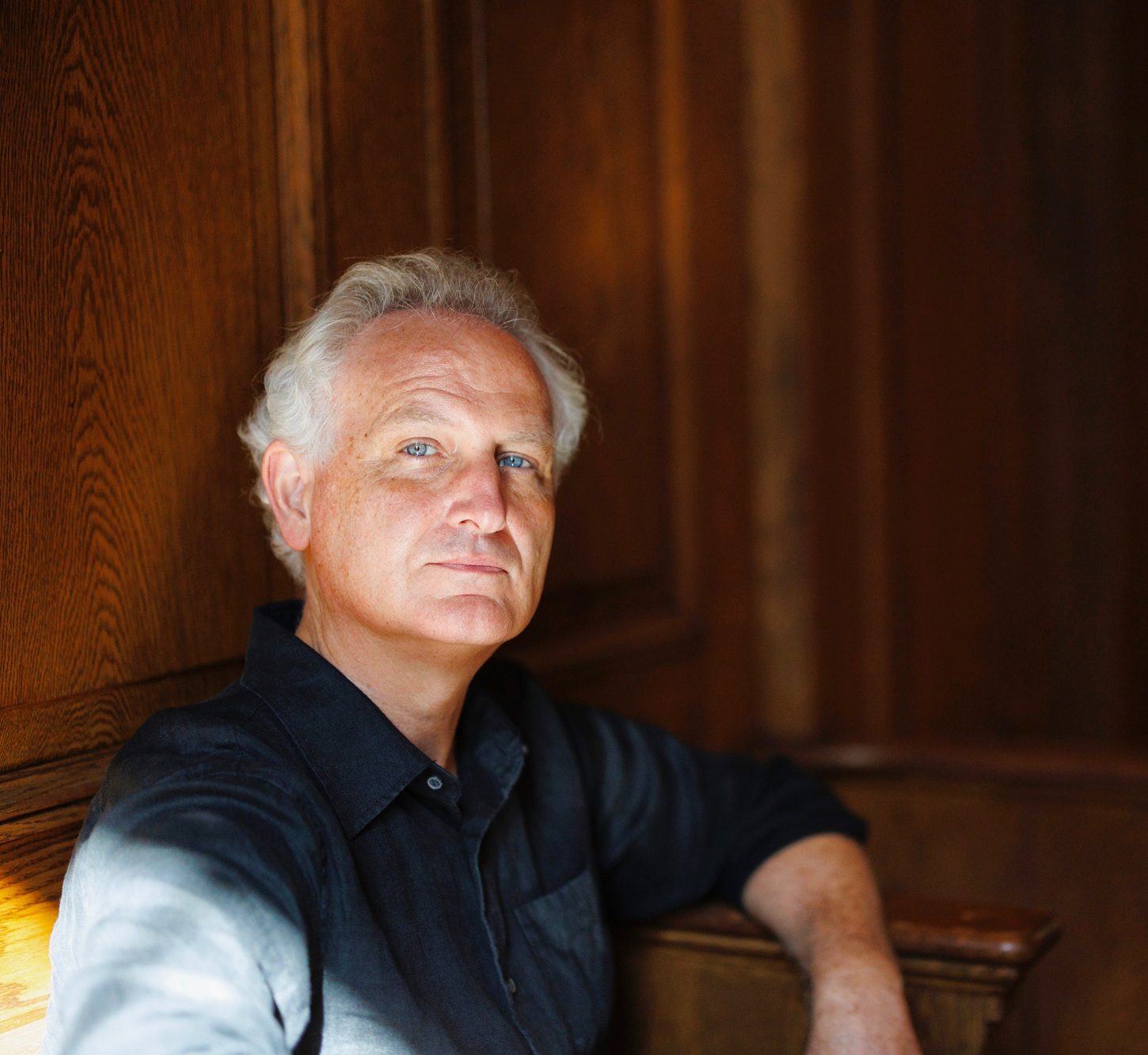
Geary, James
James Geary
Read more
James Geary
| Grant Category: | Fulbright-Nehru Academic & Professional Excellence Award (Teaching) |
| Project Title: | Teaching Literary/Creative Nonfiction to Indian Students |
| Field of Study: | Literature |
| Home Institution: | Harvard Kennedy School, Cambridge, MA |
| Host Institution: | Ashoka University, Sonipat, Haryana |
| Grant Start Month: | January 2027 |
| Duration of Grant: | Six months |
Brief Bio:
Mr. James Geary is an adjunct lecturer in public policy at the Harvard Kennedy School. He has taught at the VII Foundation; Bennington College; Boston University; Brandeis University; the Faber Academy; Tufts University; and the Harvard Extension School. He is the former deputy curator of the Nieman Foundation for Journalism at Harvard, where he edited Nieman Reports, and the former editor of the European edition of Time magazine. He is the author of the New York Times bestseller The World in a Phrase: A Brief History of the Aphorism, the second edition of which was published by the University of Chicago Press, Wit’s End: What Wit Is, How It Works, and Why We Need It, and I Is an Other: The Secret Life of Metaphor and How It Shapes the Way We See the World, among other books.
For his Fulbright-Nehru project, Mr. Geary is teaching two literary/creative nonfiction writing courses at Ashoka University, India. He is helping Ashoka students articulate and apply the elements and structure of literary/creative nonfiction, synthesize and organize information from disparate sources to tell powerful stories and craft compelling narratives based on original reporting and research. The project is expected to not only benefit Ashoka students intending to pursue advanced writing practices, but also those who want to develop their writing skills for careers in other professions.

Gray, Kelsey
Kelsey Gray
Read more
Kelsey Gray
| Grant Category: | Fulbright-Nehru Academic & Professional Excellence Award (Teaching) |
| Project Title: | A Two-Way Exchange: Buddhism and Science in Modern Tibetan Monastic Education |
| Field of Study: | Biology |
| Home Institution: | Emory University, Atlanta, GA |
| Host Institution: | Drepung Losel Ling Monastery, Mundgod, Karnataka |
| Grant Start Month: | January 2027 |
| Duration of Grant: | Six months |
Brief Bio:
Dr. Kelsey Gray, PhD, is an educator and writer specializing in genetics, molecular biology, and intercultural science communication. She earned her BS in biomedical science from the Ohio State University before completing her PhD in genetics and molecular biology from the University of North Carolina at Chapel Hill, where her doctoral research focused on the molecular mechanisms of spinal muscular atrophy. Following her doctoral work, Dr. Gray served as a postdoctoral fellow with the Emory-Tibet Science Initiative (ETSI) at Emory University.
A cornerstone of her international work was her first Fulbright-Nehru Academic and Professional Excellence Fellowship (2019–2020) at Drepung Loseling Monastic University, Karnataka, India. During this fellowship, she engaged in deep intercultural exchange, teaching biology courses and collaborating with Tibetan scientists to conduct culturally responsive educational research. Dr. Gray’s professional trajectory includes serving as an assistant professor and the assistant director for the Grand Challenges Initiative at Chapman University, as well as working in the private sector as a regulatory medical writer. As the senior instructional content developer for ETSI, she leads the development of the ETSI bilingual digital learning platform. Her extensive publication record reflects interdisciplinary expertise, spanning from protein biochemistry to the nuances of monastic science learning and metacognition.
Dr. Gray’s Fulbright-Nehru project, “A Two-Way Exchange: Buddhism and Science in Modern Tibetan Monastic Education,” is supporting science education for monastics in India through three integrated initiatives. She is leading a workshop to train monastic leaders on the ETSI Online Learning Platform in order to foster digital literacy and expand curriculum reach. She is also conducting a Human Health seminar series across five monastic institutions, connecting clinical research with monastic interests. Further, she is teaching an advanced biology teacher training course, utilizing modules on immunology and epigenetics to equip monastics with specialized pedagogical skills for future sustainable instruction.
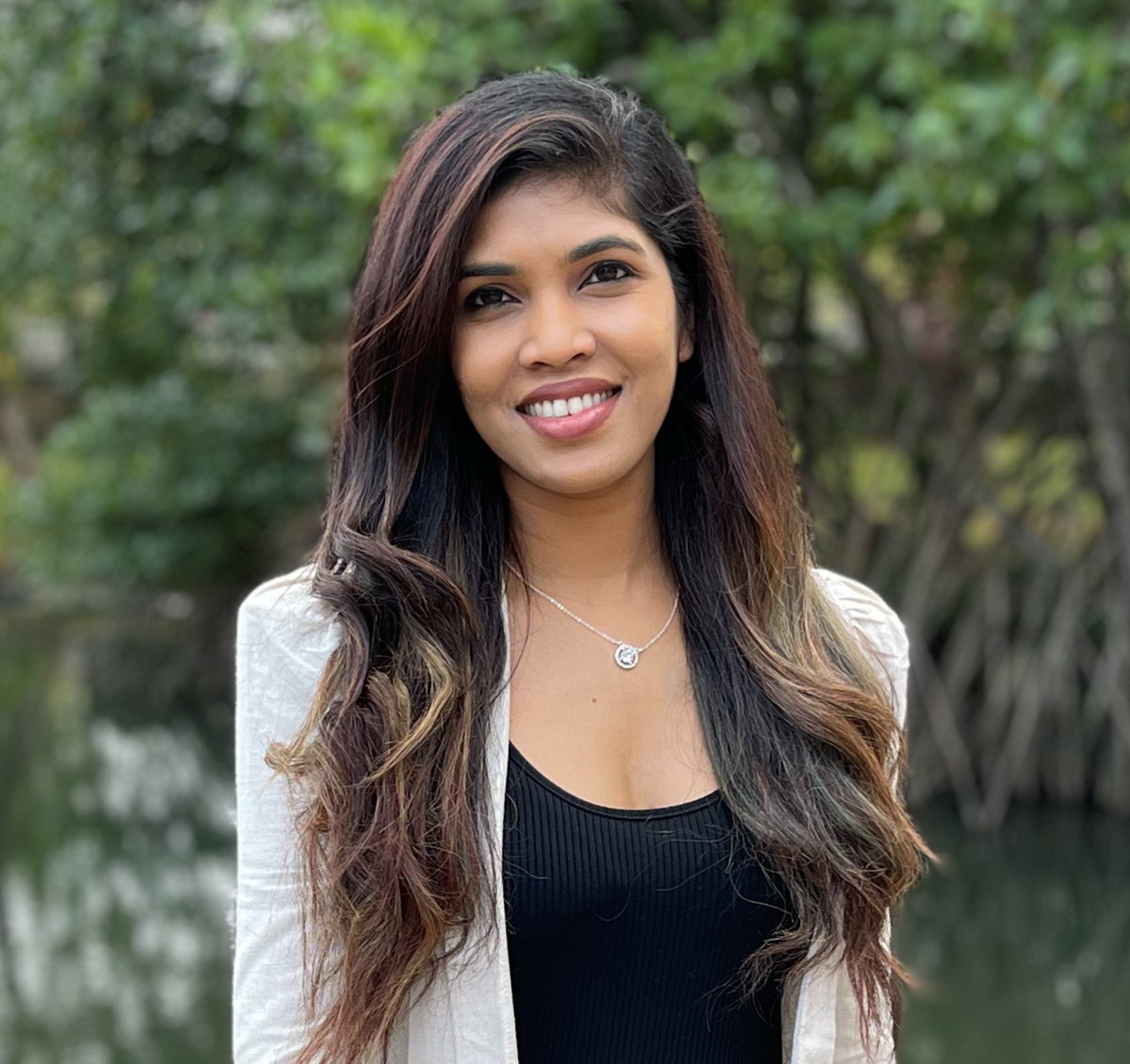
Naumann, Persis
Persis Naumann
Read more
Persis Naumann
| Grant Category: | Fulbright-Nehru Academic & Professional Excellence Award (Teaching) |
| Project Title: | Advancing Medical Sociology through Ethics Education for Stigma-Free Healthcare in Tamil Nadu |
| Field of Study: | Medical Science |
| Home Institution: | Duquesne University, Pittsburgh, PA |
| Host Institution: | University of Madras, Chennai, Tamil Nadu |
| Grant Start Month: | July 2026 |
| Duration of Grant: | Six months |
Brief Bio:
Dr. Persis Naumann is a global health ethicist, educator, and social entrepreneur committed to advancing stigma-free healthcare through ethics, education, and community engagement. Originally from Chennai, India, and now based in Pittsburgh, Pennsylvania, she serves as adjunct professor in the Center for Global Health Ethics at Duquesne University. Her interdisciplinary work bridges bioethics, medical sociology, and public engagement to address health inequities, particularly those affecting women and marginalized communities. Her research focuses on infertility stigma, reproductive health, and culturally responsive healthcare, with an emphasis on ensuring that lived experiences inform policy, education, and practice.
Beyond academia, Dr. Naumann is the founder of Kelir Global and Kelir Books, literary initiatives dedicated to ethical storytelling, heritage language preservation, and community belonging. She also serves on the board of directors of the Fulbright Association India Interest Group as vice president and the Greater Pittsburgh Chapter as advocacy chair. Through her scholarship and leadership, she builds bridges across cultures while promoting concepts such as equity, dignity, and inclusion.
As a former Fulbright-Nehru Student Research Fellow, Dr. Naumann conducted empirical bioethics research in Chennai, examining the sociocultural dimensions of involuntary childlessness and infertility stigma. During that tenure, she once had the opportunity to address an audience of over 2,000 students at a women’s health conference in Chennai. After her presentation, some of the students approached her with a simple question: “Will you come to our classrooms and teach us more?” That moment inspired her current Fulbright project.
As a 2026–2027 Fulbright U.S. Scholar, Dr. Naumann is collaborating with the Department of Sociology at the University of Madras on “Advancing Medical Sociology through Ethics Education for Stigma-Free Healthcare in Tamil Nadu.” The project is integrating medical ethics into sociology education through experiential learning, interdisciplinary collaboration, and community engagement. By partnering with students, faculty, healthcare professionals, NGOs, and policymakers, she seeks to strengthen the role of sociologists in healthcare, promote culturally grounded approaches to reproductive health, and foster lasting partnerships between India and the United States. Through the project, Dr. Naumann aims to help build more compassionate, equitable, and stigma-free healthcare systems guided by her belief that “education is not just about knowledge, it is about meaningful connections, creating pathways for real-life contributions, and shaping the future workforce with dignity and hope.”
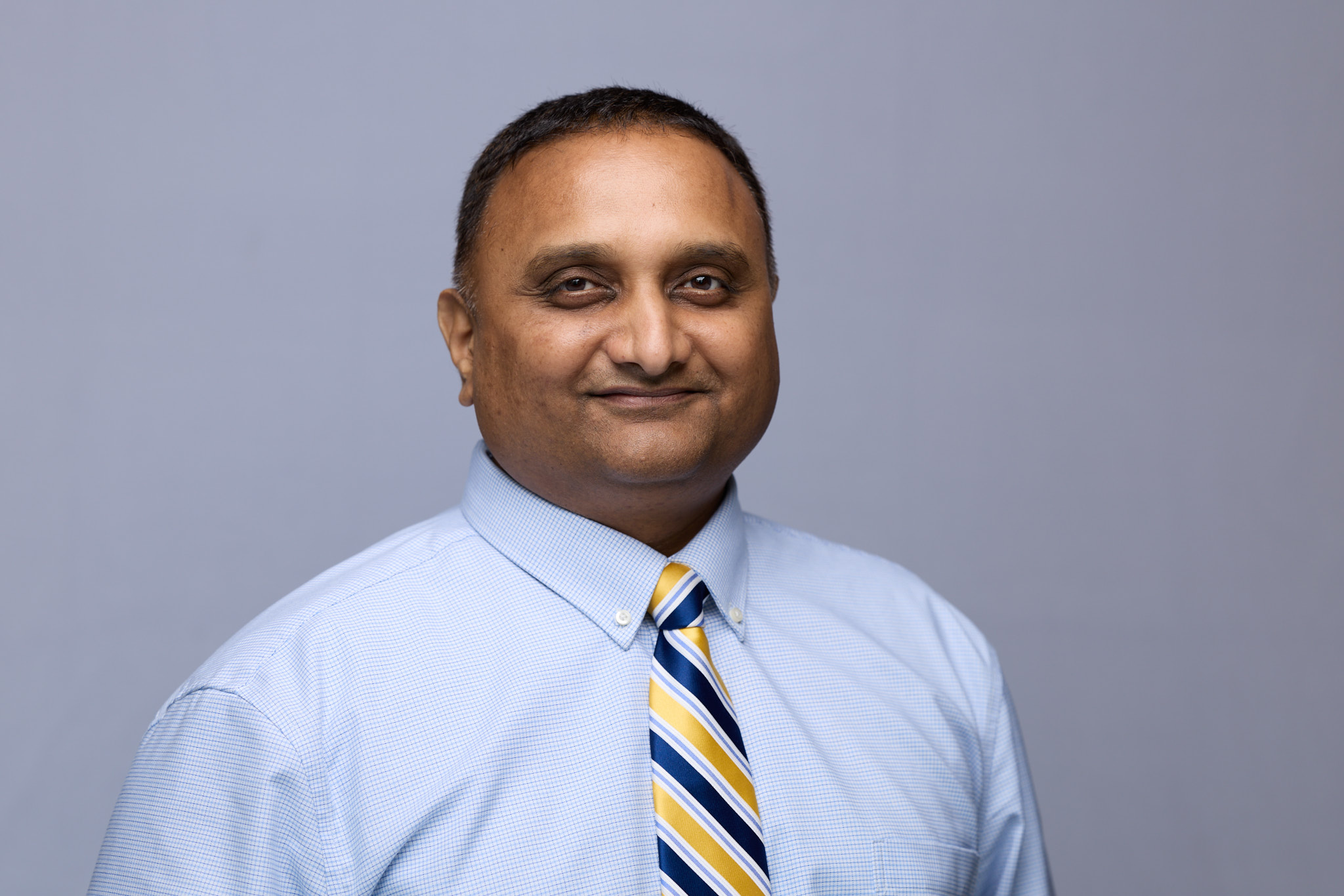
Sevak, Rajkumar
Rajkumar Sevak
Read more
Rajkumar Sevak
| Grant Category: | Fulbright-Nehru Academic & Professional Excellence Award (Teaching) |
| Project Title: | Enhancing Neuropsychiatric Pharmacy Education through Didactic and Contextualized Case-Based Learning |
| Field of Study: | Medical Sciences |
| Home Institution: | University of the Pacific, Stockton, CA |
| Host Institution: | Nirma University, Ahmedabad, Gujarat |
| Grant Start Month: | January 2027 |
| Duration of Grant: | Four months |
Brief Bio:
Dr. Rajkumar Sevak is an accomplished academic and clinical researcher with expertise in psychiatric pharmacotherapy and pharmacy education. He is currently serving as an associate professor in the Department of Pharmacy Practice at the University of the Pacific’s Thomas J. Long School of Pharmacy. Dr. Sevak has built a career integrating rigorous research with hands-on clinical and teaching practice. His educational background includes a PhD in pharmacology from the University of Texas Health Science Center at San Antonio, followed by PGY1 residency from Auburn University, and postdoctoral fellowship training from East Tennessee State University. He is a licensed pharmacist in four U.S. states and holds specialized certifications in psychiatric pharmacy, informatics, and biostatistics.
Dr. Sevak’s research portfolio reflects a sustained focus on neuropsychiatric therapeutics and students’ mental health. He has served as principal or coinvestigator on several funded grants, including projects supported by the National Institutes of Health, examining pharmacotherapies for substance-use disorders and intervening to improve mental health outcomes. His scholarly output shows over 30 peer-reviewed journal articles and 70 national conference presentations. He is also an active peer reviewer for leading journals and grant agencies, and has received multiple awards, including the CPNP Foundation Strategic Goals Award and the Sudhir Gupta Young Scientist Award.
As an educator, Dr. Sevak coordinates and teaches core courses in neuropsychiatric therapeutics, biostatistics, and research design at the University of the Pacific. He guides pharmacy students, residents, and fellows in research projects, presentations, and professional development. Outside of academics, he has provided clinical services in outpatient and inpatient psychiatric pharmacy, ambulatory care, and community pharmacy settings. His professional service also extends to committee roles within his institution and professional organizations such as the American Association of Psychiatric Pharmacists and the College on Problems of Drug Dependence. Through his interdisciplinary work in research, teaching, and practice, Dr. Sevak continues to contribute significantly to the fields of psychiatric pharmacy and pharmacotherapy education.
Dr. Sevak’s Fulbright-Nehru project is working on establishing a Indo-US collaborative system to enhance neuropsychiatric pharmacy education. Toward this, he is delivering a core therapeutics course and codeveloping culturally relevant patient cases with Indian faculty colleagues for a case-based course. The project is also fostering cross-cultural pedagogical exchange and improving mental healthcare by training pharmacy students to provide evidence-based care. Expected outcomes include a sustainable case library, strengthened institutional ties, and a model for global pharmacy education.
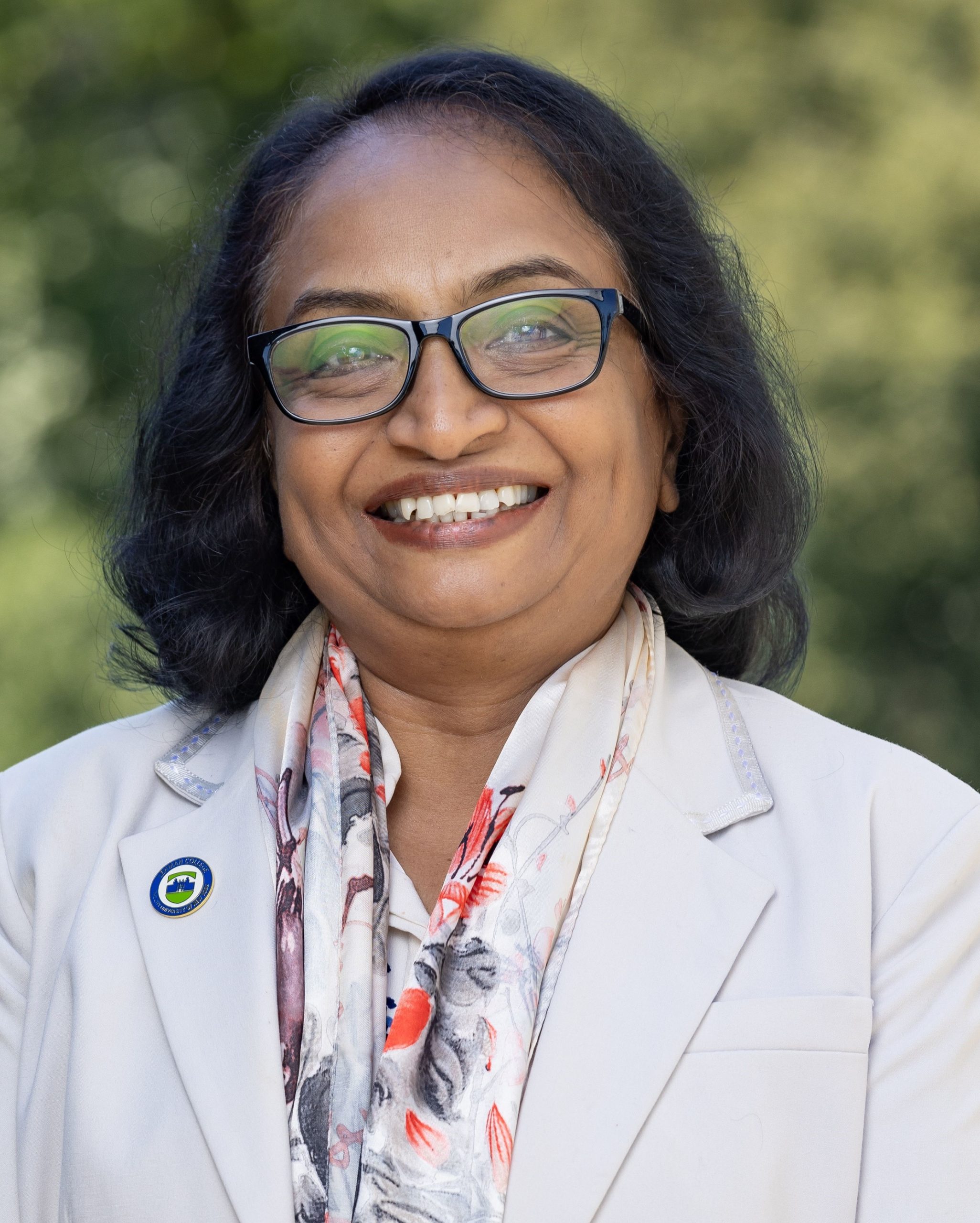
Simon, Elizabeth
Elizabeth Simon
Read more
Elizabeth Simon
| Grant Category: | Fulbright-Nehru Academic & Professional Excellence Award (Teaching) |
| Project Title: | Garnering Support for Education and Implementation: Sexual Assault Nurse Examiner |
| Field of Study: | Nursing |
| Home Institution: | Herbert H. Lehman College, City University of New York, Bronx, NY |
| Host Institution: | Manipal College of Nursing, Manipal, Karnataka |
| Grant Start Month: | February 2027 |
| Duration of Grant: | Six months |
Brief Bio:
Dr. Elizabeth Simon has 30 years of academic experience. She is an author, presenter, and expert in curriculum development, international collaboration, and accreditation. She secured Fulbright Scholar awards for 2015–16 and 2022–23, and the Fulbright Specialist award in 2026. Dr. Simon obtained her BS in nursing from Punjab University, India; her master’s degrees from Columbia University, Teachers College, and Hunter College; and her PhD in higher education from Walden University. She has authored books, book chapters, and peer-reviewed articles. She has also developed curriculum for new programs, revised curricula, and mentored faculty members. Besides, she has served as the founding dean and as a critical care nursing consultant.
Dr. Simon’s Fulbright-Nehru project is gathering support for designating trained sexual assault nurse examiners (SANEs) in India. It is also studying the wider scope for forensic nursing in India, with nurses able to take roles in medico-legal investigations and evidence collection, mental health counseling, and pregnancy prevention, specifically after a rape trauma. Curricular innovation is also part of the project in order to enhance the professional visibility and social image of nurses in India.
Moodie, Deonnie
Deonnie Moodie
Read more
Deonnie Moodie
| Grant Category: | Fulbright-Nehru Distinguished Scholar Fellowship |
| Project Title: | Business School Hinduism: An Imperial Genealogy |
| Field of Study: | Religious Studies |
| Home Institution: | University of Oklahoma, Norman, OK |
| Host Institution: | Indian Institute of Management Bangalore, Bengaluru, Karnataka |
| Grant Start Month: | May 2027 |
| Duration of Grant: | Four months |
Brief Bio:
Dr. Deonnie Moodie is associate professor of religious studies at the University of Oklahoma. She is an ethnographer and historian of religion specializing in South Asia and its global connections. She received her BA in international studies from Hope College and her master’s and PhD degrees in South Asian religions from Harvard University. Her research has been supported by the National Humanities Center, the Henry Luce Foundation, numerous research awards from the University of Oklahoma, and a previous Fulbright-Nehru Student Researcher grant.
Dr. Moodie is the author of The Making of a Modern Temple and a Hindu City: Kālīghāț and Kolkata (Oxford University Press, 2018) and has co-edited special issues for the Journal of the American Academy of Religion (with Kirsten Wesselhoeft, 2021) and South Asia: Journal of South Asian Studies (with Cassie Adcock, 2025). Her peer-reviewed articles have also appeared in the International Journal of Hindu Studies, the Journal of Law and Religion, and Religion Compass. She is on the editorial board of DECISION, the flagship publication of the Indian Institute of Management Calcutta.
Dr. Moodie regularly presents her work in public fora as well. She has served as a content consultant for the YouTube series, Crash Course: World Religions, and as a media partner for The Revealer. She has been interviewed for the Marginalia Review of Books, New Books Network, and Delhi Art Gallery. She has also delivered lectures at Harvard Divinity School, Claremont Graduate University, Seton Hall University, the University of North Florida, the University of Missouri, the Centre national de la recherché (CNRS, Paris), and the University of Bergen (Norway). She regularly organizes panels and presents her work at the Annual Meeting of the American Academy of Religion, the Business History Conference, and the Annual Conference on South Asia.
Dr. Moodie’s Fulbright-Nehru project is engaging with scholars of critical management studies in India for the following purposes: to pursue research for her monograph, Business School Hinduism: An Imperial Genealogy; to enrich ongoing collaborative publications in the areas of religion and economy, religion and labor in South Asia, and cultures of management and authority; and to create partnerships between U.S. and Indian institutions, scholars, and students to advance research in postcolonial and decolonial studies in the humanities and management. Cumulatively, this work breaks new ground in excavating the possibilities that religions – and cultures, more broadly – hold for rethinking humanity’s collective economic future.
Sahai, Nita
Nita Sahai
Read more
Nita Sahai
| Grant Category: | Fulbright-Nehru Distinguished Scholar Fellowship |
| Project Title: | Defining and Testing Hypotheses for Origins of Life: Lonar Lake as a unique early Earth analog site |
| Field of Study: | Chemistry |
| Home Institution: | University of Akron, Akron, OH |
| Host Institution: | Tata Institute of Fundamental Research, Mumbai, Maharashtra |
| Grant Start Month: | January 2026 |
| Duration of Grant: | Four months |
Brief Bio:
Prof. Nita Sahai’s research focuses on the physical–chemical aspects of biomolecular and inorganic ion interactions at mineral surfaces in processes relevant to the origins of life and astrobiology, environmental geochemistry, and biomaterials science. She earned her PhD from Johns Hopkins University in 1997. Following an NSF postdoctoral fellowship from the University of Maryland, Prof. Sahai became a full professor in the Department of Geoscience, University of Wisconsin–Madison, from 2000 to 2011. She has been with the School of Polymer Science and Polymer Engineering, University of Akron, since 2011, and holds joint appointments in the departments of geosciences and biology, and in the Integrated Bioscience Program. Prof. Sahai holds the Ohio Research Scholar Endowed Chair, Biomaterials, and is a fellow of CIFAR (Canadian Institute for Advanced Research). She was also a fellow and a distinguished lecturer of the Mineralogical Society of America. Her research has been supported by such prestigious institutions as the NSF and NASA. She is also the recipient of the NSF CAREER Award and the Romnes Faculty Fellowship. Prof. Sahai has served on the National Academies of Science, Engineering, and Medicine’s Committee on Astrobiology and Planetary Science, which advises NASA. In 2020, she was featured in Fireball, an award-winning documentary on meteorites and the evolution of life and human society on Earth. She has been interviewed on the National Public Radio and on the Public Broadcasting Service. Prof. Sahai has served/is currently serving on several editorial boards, including those of Astrobiology, Geochimica et Cosmochimica Acta, and American Mineralogist. She has guest-edited a volume, Medical Mineralogy and Geochemistry (in the well-known Reviews in Mineralogy and Geochemistry Series), and two thematic issues of the Elements magazine. She is a keen history buff and studies philosophy as a hobby.
Dr. Sahai’s Fulbright-Nehru project is exploring how, before life and enzymes, protometabolism emerged. It is exploring mechanisms to synthesize the ATP molecule using metal-ion catalysts. The project is collaborating with the microbiologist Prof. Amitesh Anand (TIFR, Mumbai) and the chemist Prof. Sudha Rajmani (IISER Pune).
Ankem, Vunnathi
Vunnathi Ankem
Read more
Vunnathi Ankem
| Grant Category: | Fulbright-Nehru Student Research Program |
| Project Title: | Conceptualizing Unhealthy Relationship Dynamics in South Asian Students |
| Field of Study: | Psychology |
| Home Institution: | University of Maryland, Baltimore County, MD |
| Host Institution: | University of Hyderabad, Hyderabad, Telangana |
| Grant Start Month: | August 2026 |
| Duration of Grant: | Nine months |
Brief Bio:
Vunnathi Ankem is a community-oriented researcher and student leader. She graduated from the University of Maryland, Baltimore County, with a BS in psychology. For her honors thesis project, conducted through qualitative interviewing and thematic coding under the guidance of her mentor, Dr. Christopher Murphy, she researched how the South Asian diaspora conceptualized intimate partner violence (IPV) and unhealthy relationship dynamics. She presented this research at a conference of the International Society for Traumatic Stress Studies (ISTSS) in 2025 and at the 2026 National Conference on Undergraduate Research (NCUR). She has served as a government intern where she engaged with research produced on family violence, online abuse, and child maltreatment. She was also a research assistant in the Gender-Based Harms and Abuse Prevention Lab where she worked on projects regarding the effectiveness of intervention in IPV cases, IPV amongst international graduate students, and IPV prevention strategies on college campuses.
In her free time, Vunnathi enjoys highlighting the importance of civic action and engagement. In one such campaign, she and her team of student leaders helped raise over USD 6,000 for local Baltimore charities. And, through the Maryland Y Youth and Government program, she volunteered to support teens in their journey with civic engagement. Vunnathi has tutored elementary public school students in Baltimore City to keep up their love for learning. She has also co-led an exploration of a long-term collective civic action around health and patient care equity in Baltimore City. During the COVID-19 pandemic, Vunnathi facilitated difficult conversations regarding mental health concerns, organized multiple school events for mental health awareness, conducted counseling programs, and created space for students struggling with community issues through a mental health club she started with her friend in association with Our Minds Matter. She aspires to become a clinical-community psychologist, combining her interest in collective action, love for community work, and passion for IPV prevention and mental healthcare.
Vunnathi’s Fulbright-Nehru project is about how young people in India perceive and talk about unhealthy relationship dynamics. Working with Dr. Padmaja Gadiraju at the University of Hyderabad, she is interviewing students in a semi-structured one-on-one interview format. The interviews are identifying expectations of social behavior, the role of social networks, and the social discourse around IPV to analyze cultural influences on relationship dynamics. The findings will inform future efforts to tailor culturally relevant IPV prevention and response programs for students of South Asian descent.
Arya, Ritikraj
Ritikraj Arya
Read more
Ritikraj Arya
| Grant Category: | Fulbright-Nehru Student Research Program |
| Project Title: | Volunteers Caring for Seriously Ill Children: An Ethnography of Palliative Care in Kerala |
| Field of Study: | Medical Sciences |
| Home Institution: | Brown University, Providence, RI |
| Host Institution: | Loyola College of Social Sciences, Thiruvananthapuram, Kerala |
| Grant Start Month: | August 2026 |
| Duration of Grant: | Nine months |
Brief Bio:
Ritikraj Arya is a 2023 graduate of Brown University, where he majored in biology. During his time at Brown, he was an avid volunteer with Camp Kesem, a nonprofit organization that provides free summer camps for children whose parents have been diagnosed with cancer. Through this work, he helped create a supportive environment for children navigating some of life’s most difficult circumstances.
Ritikraj’s passion for working with and supporting children shaped his postgraduate work as a researcher in pediatric end-of-life care at the University of Alabama at Birmingham (UAB). At UAB, he contributed to projects funded by organizations such as the Children’s Oncology Group, the National Institutes of Health, and the American Cancer Society. His work spanned a wide range of pediatric end-of-life care initiatives, including studies evaluating novel quality measures for pediatric end-of-life care and qualitative research involving bereaved parent interviews. His experiences conducting qualitative research in end-of-life care helped shape the direction of his Fulbright project studying pediatric palliative care in Thiruvananthapuram, Kerala.
Outside of his academic and professional work, Ritikraj enjoys cooking, reading, and spending time with his family.
Though home to only 3 percent of India’s population, the state of Kerala delivers nearly 90 percent of the nation’s palliative services by supplementing care with the efforts of local volunteers – an approach known as the “Kerala Model” of palliative care. Partnering with Loyola College of Social Sciences and Pallium India, Ritikraj’s Fulbright-Nehru project is conducting an ethnographic study examining how this model mobilizes community volunteers to provide high-quality pediatric palliative care. Through participant observation and in-depth interviews with volunteers, parents, and others, the project aims to generate insights that can inform global efforts to expand volunteer integration in pediatric palliative care amid critical physician shortages.

Califf, Andrew
Andrew Califf
Read more
Andrew Califf
| Grant Category: | Fulbright-Nehru Student Research Program |
| Project Title: | Developing Orological Survey Strategies to Map Lithics and Explore Ladakh’s Prehistory |
| Field of Study: | Archaeology |
| Home Institution: | New York University, New York, NY |
| Host Institution: | University of Ladakh, Leh, Ladakh |
| Grant Start Month: | August 2026 |
| Duration of Grant: | Nine months |
Brief Bio:
Andrew Califf is an archaeologist, anthropologist, photographer, and storyteller focused on exploring, learning, and documenting how people live and thrive in dynamic environments, specifically mountains and high-elevation plateaus. A freelance photojournalist covering topics such as environmental conservation, Indigenous rights, and archaeology, Andrew also conducts archaeological research himself, exploring how hunter-gatherers first started using the high-elevation areas of Inner Asia.
During his training at New York University in both archaeology and journalism, Andrew split time between excavations and fieldwork during the summer, and writing, photography, and reporting during the rest of the year. For his anthropology honors thesis, he surveyed and mapped stone tool scatters in Mongolia’s northern taiga while also conducting ethnographic surveys and interviews within the Dukha communities who live there. During his graduate studies in archaeology, Andrew “shovel bummed” from caves in Kyrgyzstan and Kazakhstan to mudbrick fortresses in Uzbekistan.
Andrew has bylines from six countries and was awarded the Overseas Press Club Foundation Stan Swinton Scholarship to cover conservation and Indigenous rights in Cambodia. He aims to convey the significance of actions and a deeper worldview rooted in the Indigenous knowledge of an environment. These are the ephemeral concepts he hopes to share through both visual and written storytelling, as well as scientific research. Specifically regarding his archaeological research, the significant aspect is about better understanding how Prehistoric people navigated challenging and dynamic environments like the Western Himalaya.
For his Fulbright-Nehru project, Andrew is conducting a specialized survey focused on identifying Prehistoric artifacts and sites in Ladakh. The process involves combining the mapping of previously discovered stone tools with modeling geomorphological features and the topography to inform targeted surveys, thereby expanding the dataset of Prehistoric archaeology in Ladakh. This data will deepen understanding about Prehistoric peoples in one of the world’s most dynamic regions, expand India’s diverse heritage, and help researchers adopt new survey strategies for finding such sites in the mountains.
Chakraborty, Driptaa
Driptaa Chakraborty
Read more
Driptaa Chakraborty
| Grant Category: | Fulbright-Nehru Student Research Program |
| Project Title: | A Computational Design Tool to Aid Patan Patola Weavers |
| Field of Study: | Design |
| Home Institution: | Washington University, St. Louis, MO |
| Host Institution: | National Institute of Design, Ahmedabad, Gujarat |
| Grant Start Month: | August 2026 |
| Duration of Grant: | Nine months |
Brief Bio:
Driptaa Chakraborty is a graduate of Washington University in St. Louis, where she double-majored in architecture and mathematical sciences. She is interested in computational methodologies across design practices. She has worked as a research assistant for Dr. Lavender Tessmer at Clemson University where she helped design a computer simulation process by which knitting machines can be used as fabrication instruments to manufacture multilayer, multi-material objects that do not require human assemblage. Her work with Dr. Tessmer helped her formulate the proposal for her Fulbright project. Driptaa is also interested in analyzing computational tools from a historical and social perspective. Her senior capstone project studied, modeled, and contextualized early computational models in the development of neighborhoods in 1970s Navi Mumbai. During her time at Washington University, Driptaa received the James W. Fitzgibbon Scholarship in Architecture, which is a full tuition grant to one architecture student per graduating class, while her research was supported by the Academic Year Undergraduate Research Award.
Patan Patola, one of India’s most complex fabrication processes, is a weaving technique which first requires encoding a design onto individual yarns. Driptaa’s Fulbright-Nehru project is studying Patan Patola to develop an interactive algorithmic tool for weavers. The tool will predict final Patola motifs from intermediate stages and also catch potential errors. The research will not only contribute to preserving the craft but will also help designers use such textile fabrication techniques across design practices.

Cicourel, Aden
Aden Cicourel
Read more
Aden Cicourel
| Grant Category: | Fulbright-Nehru Student Research Program |
| Project Title: | The Hybridization of Jazz and Indian Classical Music in India, 1920–1960 |
| Field of Study: | History |
| Home Institution: | Pomona College, Claremont, CA |
| Host Institution: | Ahmedabad University, Ahmedabad, Gujarat |
| Grant Start Month: | August 2026 |
| Duration of Grant: | Nine months |
Brief Bio:
Aden Cicourel is a recent graduate of Pomona College, where he studied Middle Eastern and South Asian history. His work examines historical relationships between sound, music, and modernity. In 2025, he received the Humanities Studio Fellowship, which supported archival research in London and Mumbai for his senior thesis on jazz music in colonial Bombay. Beyond his studies, Aden played guitar in the Pomona College Jazz Ensemble, taught volunteer music lessons through the Draper Center for Community Partnerships, and helped lead the Musicians’ Coalition.
Aden’s Fulbright-Nehru project is exploring the intertwined history of jazz and Hindustani music in the middle of the 20th century. Following India’s Independence, the increase in urbanization, proliferation of acoustic technologies, and the formation of national identity created new musical spaces for cultural exchange and connection between India and the U.S. Relying on archival research, photographs, radio broadcasts, vinyl records, oral histories, literary accounts, and concert footage, the project is uncovering how fusion genres such as raga jazz and Indo-jazz emerged from this period as nuanced symbols of fluid cosmopolitanism and national pride.

Dandu, Pranathi
Pranathi Dandu
Read more
Pranathi Dandu
| Grant Category: | Fulbright-Nehru Student Research Program |
| Project Title: | Auditory Training on Predictive Processing in Autism: A Low-Cost Scalable Intervention |
| Field of Study: | Neuroscience |
| Home Institution: | University of North Carolina, Chapel Hill, NC |
| Host Institution: | Indian Institute of Technology - Delhi, New Delhi, Delhi |
| Grant Start Month: | August 2026 |
| Duration of Grant: | Nine months |
Brief Bio:
Pranathi Dandu received both her BSPH in biostatistics and her BS in neuroscience, with a minor in chemistry, from the University of North Carolina at Chapel Hill. She graduated with distinction and honors as both a Carolina Research Scholar and as a Buckley Public Service Scholar, and recently completed her MS in physiology from North Carolina State University. Her academic and research interests focus on the neural mechanisms underlying sensory processing and predictive coding, and their implications for neurological and developmental disorders, particularly autism spectrum disorder. Given her background in public health and experiences in rural India, Pranathi is interested in understanding how gaps in healthcare access and literacy can create barriers to receiving effective medical care. She is especially interested in the role cross-cultural and global health perspectives can play in shaping more accessible and equitable care.
At UNC Chapel Hill, Pranathi worked as a research assistant in Dr. Hiroyuki Kato’s lab in the Department of Psychiatry, investigating the neural circuits underlying predictive coding in the auditory cortex. Her work involved neural tracing and imaging to study how the brain filters and adapts to sensory information. During her time there, she completed an honors thesis examining topographic projections from the orbitofrontal cortex to the auditory cortex; she also coauthored publications. Outside of research, she served as a copresident for the Biostatistics Student Association and was involved with the American Mock World Health Organization as a DAIS codirector. Pranathi also cofounded SPROUT Nutrition, a community initiative focused on providing nutrition education and support for underserved families, for which she received the Robert E. Bryan Fellowship. She hopes to pursue a career as a physician dedicated to translating neuroscience research into accessible, culturally informed interventions for children with neurodevelopmental conditions.
For children with autism spectrum disorder, ordinary sounds like traffic can be overwhelming and disrupt daily life, yet effective interventions remain underdeveloped. Motivated by this gap, Pranathi’s Fulbright-Nehru project is investigating whether structured auditory training can improve sensory adaptation in autistic children, reducing sensory distress. Working with the Indian Institute of Technology Delhi, she is developing and piloting a low-cost, tablet-based intervention and collecting neurophysiological data to assess its efficacy in reducing sensory hypersensitivity and improving adaptive functioning. The findings aim to inform scalable interventions for autism in low-resource settings while advancing our understanding of sensory processing in neurodevelopmental disorders.
Dechen, Tenzin
Tenzin Dechen
Read more
Tenzin Dechen
| Grant Category: | Fulbright-Nehru Student Research Program |
| Project Title: | From Records to Resilience: Transforming Patient Care at Sera Mey Health Center |
| Field of Study: | Public Health |
| Home Institution: | At-Large, Cambridge, MA |
| Host Institution: | Dalai Lama Institute for Higher Education, Bengaluru, Karnataka |
| Grant Start Month: | September 2026 |
| Duration of Grant: | Nine months |
Brief Bio:
Tenzin Dechen is a biostatistician with experience in healthcare delivery and data science. She holds an MPH in epidemiology from Columbia University’s Mailman School of Public Health. Her work focuses on applying data analytics to understand clinical workflows, support care coordination, and inform health system improvement.
Tenzin spent nearly a decade at the Center for Healthcare Delivery Science at Beth Israel Deaconess Medical Center (BIDMC), Boston, where she worked with diverse health and population datasets, including electronic health record (EHR) data, to evaluate care delivery, assess quality, and support data-informed decision-making. Her work comprised statistical modeling, causal inference, and predictive analytics, with applications in population health and health equity. During the COVID-19 pandemic, she contributed to the development of forecasting models to help anticipate patient demand and guide resource planning. She also codeveloped a mobility-based Business Risk Index using location data to examine patterns in transmission risk and support hospital operations.
Currently on a self-directed sabbatical, Tenzin is focusing on global health systems and digital health infrastructure. Her work emphasizes the use of EHR systems to improve data quality, workflow efficiency, and patient care in resource-limited settings.
Tenzin Dechen’s Fulbright-Nehru research project is exploring how an EHR system can support patient care and clinic operations at Sera Mey Health Center, located in a Tibetan settlement in southern India and serving both Tibetan and neighboring rural populations. Using historical paper records and newly digitized data, the project is examining patterns in patient care, identifying gaps in follow-up, and evaluating how workflow factors such as patient volume and wait times shape service delivery. By generating practical insights and tools tailored to the center’s needs, the project aims to support clinical workflows, improve efficiency, and enable more patient-centered healthcare in the resource-limited setting.
DeLaurentis, Vincent
Vincent DeLaurentis
Read more
Vincent DeLaurentis
| Grant Category: | Fulbright-Nehru Student Research Program |
| Project Title: | Chandigarh On and Off the Grid: Labor, Infrastructure, Space |
| Field of Study: | Geography |
| Home Institution: | The City University of New York, New York, NY |
| Host Institution: | Indian Institute of Science Education and Research (IISER), Mohali, Punjab |
| Grant Start Month: | September 2026 |
| Duration of Grant: | Nine months |
Brief Bio:
Vincent DeLaurentis is a critical urban geographer in the Earth and Environmental Sciences program at the CUNY Graduate Center. He graduated with a BS in foreign service from Georgetown University in 2017. Before beginning his PhD program, Vincent worked as the director of outreach at the Worker Rights Consortium, an independent labor rights monitor focused on the apparel industry. At the same time, he developed popular education materials, and also organized tenants through the nonprofit One DC – Organizing Neighborhood Equity.
He studied and researched in Chandigarh for over a decade through two Provost’s Pre-Dissertation Summer Research grants (2025 and 2026), two Critical Languages scholarships (2015 and 2017), and an American Institute of Indian Studies/U.S. Department of Education fellowship (2025). Vincent has presented his research at several platforms: an annual meeting of the Association of American Geographers; a Global Labor University conference; an international conference of Critical Geography; and an annual conference of the journal Historical Materialism. His writing on labor and urban space can be found in ACME: An International Journal for Critical Geographies, New Labor Forum, and the Washington Post. Vincent also practices film photography and the sitar.
For his Fulbright-Nehru project, Vincent is studying the ways in which visions of modernity and efforts to create a slum-free city underscore a fundamental friction in Chandigarh’s urban transformation. While the city administration mobilizes abject labor toward Chandigarh’s expansion and maintenance, the city infrastructure neglects laborers’ social and housing needs. Through participant observation, semi-structured interviews, participatory mapping, and archival research, Vincent’s project is interrogating worker intervention in the built environment, which takes place both through sanctioned and unsanctioned processes.

Donovan, Moira
Moira Donovan
Read more
Moira Donovan
| Grant Category: | Fulbright-Nehru Student Research Program |
| Project Title: | Caste, Catholicism, and Contemporary Migration: From Goa to Ireland |
| Field of Study: | International Relations |
| Home Institution: | The Ohio State University, Columbus, OH |
| Host Institution: | Goa University, Taleigao, Goa |
| Grant Start Month: | September 2026 |
| Duration of Grant: | Nine months |
Brief Bio:
Moira Donovan is a writer and community-based development professional with six years of work experience. In 2020, Moira graduated magna cum laude from the Ohio State University with a BA in political science. Immediately upon graduation, she served as an AmeriCorps VISTA for one year with a local refugee resettlement agency in Columbus, Ohio. As she developed the institutional capacity of the organization, her work ranged from organizing conferences for community leaders to developing multiyear fundraising strategies. After her service ended, she remained with the agency for an additional year as their communications specialist, building up their recognition in the community. For the next two years, she worked as a grants and contracts specialist at the Comprehensive Cancer Center at the Ohio State University. There, she managed comprehensive financial operations for grant-funded cancer research portfolios. From 2024 to 2025, she served as a Banyan Impact Fellow with the American India Foundation in New Delhi, India, leading the design and planning of the organization’s 25th anniversary campaign. After returning from India, she has been involved in early childhood education as a teacher, thereby further deepening her commitment to lifelong learning. With a particular passion for migration studies, she integrates research and data-driven insights with storytelling to create measurable impact and influence.
Moira’s Fulbright-Nehru project is examining how colonial legacies, religion, and caste shape migration from South Goa to Dublin, Ireland. Following Brexit, Ireland has become a key destination for Goans holding Portuguese passports. The project is investigating how caste persists within Goan Catholic communities and influences migration opportunities, aspirations, and socioeconomic mobility. Using ethnographic methods, including interviews and participant observation across Goa, the study is exploring who migrates and why. It is also considering how migration reshapes the home communities. By analyzing this under-explored corridor, the research contributes to broader discussions related to contemporary migration in terms of caste, religion, and transnational mobility.

Ezuma-Ngwu, Mmasinachi
Mmasinachi Ezuma-Ngwu
Read more
Mmasinachi Ezuma-Ngwu
| Grant Category: | Fulbright-Nehru Student Research Program |
| Project Title: | Realist Review of Interventions to Reduce Burden in Dementia Family Caregivers |
| Field of Study: | Public Health |
| Home Institution: | University of Maryland, College Park, MD |
| Host Institution: | Kasturba Medical College, Manipal, Karnataka |
| Grant Start Month: | August 2026 |
| Duration of Grant: | Nine months |
Brief Bio:
Mmasinachi Ezuma-Ngwu completed her BS in public health science at the University of Maryland in 2022. Between 2022 and 2023, she volunteered at clinics, including the Pregnancy Aid Center and the Covenant Psychiatric Services, where she supported underserved patient populations. From 2023 to 2025, she worked at the National Institute of Neurological Disorders and Stroke (NINDS) as a postbaccalaureate research fellow in the Inherited Neuromuscular Diseases Unit. She continued in the same lab as a special volunteer in 2026. Her research focused on spinal and bulbar muscular atrophy (SBMA), where she analyzed the skeletal muscle transcriptome and led a project to identify disease-specific biomarkers using samples from a Natural History Study. She also codeveloped a patient-reported outcome measure, the HI-Questionnaire, now used in such a study. She is a co-author on a publication in Brain Communications examining neuronal injury biomarkers in SBMA and amyotrophic lateral sclerosis type 4 (ALS4). Mmasinachi has presented her work at conferences, including those of the Society for Neuroscience and the Student National Medical Association. She is interested in pursuing medical school and advancing research in the medical field.
In India, dementia is rapidly increasing, with millions of families serving as primary caregivers with limited formal support. In her Fulbright-Nehru project in Karnataka, Mmasinachi is examining how dementia severity, patient needs, and caregiver well-being interact to shape caregiver burden. Using a realist review and stakeholder interviews, she is evaluating existing interventions such as psychoeducation, support groups, and respite care. She is also collaborating with clinicians and community organizations to codesign and pilot a culturally tailored, scalable intervention. Through this work, she aims to identify effective, context-specific strategies to reduce caregiver burden and inform policies that strengthen support systems for families caring for individuals with dementia.

Flexwala, Alisha
Alisha Flexwala
Read more
Alisha Flexwala
| Grant Category: | Fulbright-Nehru Student Research Program |
| Project Title: | Healthy Moms, Healthy Babies: Kathputli Puppetry to Improve Maternal Health in Udaipur |
| Field of Study: | Public Health |
| Home Institution: | University of Texas, Austin, TX |
| Host Institution: | Indian Institute of Management - Udaipur, Udaipur, Rajasthan |
| Grant Start Month: | August 2026 |
| Duration of Grant: | Nine months |
Brief Bio:
Alisha Flexwala is a 2026 dean’s distinguished graduate from the University of Texas at Austin, where she earned a BS in psychology. She pursued an interdisciplinary education in psychology, neuroscience, and communication, thereby shaping her aspiration to become a physician who values both science and compassionate care. At UT Austin, she contributed to neuroimaging research at Dr. Franco Pestilli’s lab, working on clinical MRI data and white matter analysis. She is now a co-author on two of the lab’s research publications. As a Gilman scholar, she also participated in cognitive neuroscience research at the University of Geneva during her study abroad program in Switzerland.
Alongside research, Alisha is actively engaged in mentorship, clinical service, and education. She has mentored students to support their academic and personal growth, and has served as an undergraduate teaching assistant for an upper-division psychology course on cognitive development. At UT Austin’s Health Services, she supported the physical therapy team in patient care and recovery. Her lived experiences have shaped her commitment to advancing equitable healthcare and improving patient outcomes through global collaborations.
Alisha’s Fulbright-Nehru research project is examining how traditional Rajasthani Kathputli puppetry can be adapted to support maternal health education among underserved communities in India. Through interviews and collaborations, the project is exploring culturally grounded approaches to communicating health information in accessible and engaging ways. Using qualitative research methods, the study is also evaluating the effectiveness and broader potential of integrating traditional art forms into health initiatives. Ultimately, the project aims to demonstrate how cultural innovation can promote maternal well-being in sustainable ways, thus contributing to healthier mothers and babies.
Islam, Safwan
Safwan Islam
Read more
Safwan Islam
| Grant Category: | Fulbright-Nehru Student Research Program |
| Project Title: | Hypertension and Air Pollution in Delhi: A Qualitative Study of Patient Perspectives |
| Field of Study: | Public Health |
| Home Institution: | Brown University, Providence, RI |
| Host Institution: | Ashoka University, Sonipat, Haryana |
| Grant Start Month: | August 2026 |
| Duration of Grant: | Nine months |
Brief Bio:
Safwan Islam is a first-generation college student and a recent graduate from Brown University in Providence, Rhode Island, where he received a BA in public health (with honors) and a BA in biology. As a part of his senior honors thesis, Safwan conducted an original grant-funded pilot study exploring the occupational health risks among gas station workers in the United States.
During his time at Brown, Safwan was the founding president of the Bengali Students’ Association (BSA) which has the goal of building a sense of community among the Bengali diaspora on the campus and its neighborhood. Among the 450 student groups at Brown, BSA was recognized by Brown as the Student Group of the Year in 2024. Safwan’s leadership extended beyond BSA and into student government, where he was elected by the student body as one of the 12 members of the Undergraduate Finance Board (UFB) to collectively manage a fund worth USD 2.1 million for activities of the campus student groups. Safwan is also highly involved in community health work, where he has served as a volunteer and assistant project manager for various projects at a free clinic in Providence.
Beyond academics, leadership, and public health work, Safwan spends a significant amount of time weightlifting, learning about new exercises, and applying exercise physiology to improve his workouts.
Safwan’s Fulbright-Nehru research project is examining how adults aged 18 to 65 diagnosed with hypertension in Delhi perceive the link between air pollution and hypertension, and how those perceptions shape adoption of protective or preventive behaviors. Using focus group discussions and in-depth interviews stratified by age and gender, the project is conducting a four-phase qualitative study affiliated with Ashoka University under the supervision of Dr. Poornima Prabhakaran. Safwan plans to disseminate the findings of the study in various languages through academic seminars, community sessions, and a policy brief aimed at informing counseling and prevention strategies both in India and the United States.
Jacob, Sarah
Sarah Jacob
Read more
Sarah Jacob
| Grant Category: | Fulbright-Nehru Student Research Program |
| Project Title: | Labor and the Gig Economy in Kerala, India |
| Field of Study: | Public Policy |
| Home Institution: | Georgia State University, Atlanta, GA |
| Host Institution: | Centre for Development Studies, Thiruvananthapuram, Kerala |
| Grant Start Month: | August 2026 |
| Duration of Grant: | Nine months |
Brief Bio:
Sarah Jacob is a public policy researcher whose work has involved labor, migration, gendered violence, and public economics. She recently graduated from Georgia State University with a master’s in public policy. While attending graduate school, she served as a graduate research assistant and learned hard and soft skills pertaining to community needs assessments and qualitative and quantitative program evaluation. She earned her undergraduate degree from Brandeis University, where she studied economics, with minors in philosophy and legal studies. Her academic background has shaped her commitment to equity-driven research and marginalized communities.
Professionally, Sarah has worked across multiple U.S. states as a community organizer, labor advocate, and social service provider. She worked for the Georgia House minority leader as a policy assistant in 2026, flagging harmful legislation and conducting public policy research to guide legislative decision-making. In Chicago during 2022–2024, she built and led a home energy campaign in Rogers Park, during which she developed relationships with diverse communities through street-level engagement and also provided domestic violence prevention training to Asian communities.
Beyond her academic and professional pursuits, Sarah is an avid reader, a lover of history, and an active participant in community organizing. Her lived experiences across many U.S. cities, combined with her deep personal ties to India, shape her interest in fostering cross-cultural dialogue, public scholarship, and long-term engagement with global labor issues.
For her Fulbright-Nehru project, Sarah is studying labor welfare in the gig economy of Thiruvananthapuram, Kerala, where she is examining how India’s shift toward market-driven growth has reshaped work structures. Through an affiliation with the Centre for Development Studies (CDS), she is conducting semi-structured interviews with platform workers, managers, and stakeholders, supported by a Malayalam-speaking research assistant. Her research is integrating qualitative fieldwork with existing CDS data to analyze issues such as worker security, dignity, and “decent work” conditions. The project aims to contribute to global labor policy conversations and strengthen academic exchanges between the U.S. and India.

John, David St.
David St. John
Read more
David St. John
| Grant Category: | Fulbright-Nehru Student Research Program |
| Project Title: | Religious Law during the Late Colonial Period in India: Archival Research in Delhi, India |
| Field of Study: | Religious Studies |
| Home Institution: | University of California, Riverside, CA |
| Host Institution: | University of Delhi, New Delhi, Delhi |
| Grant Start Month: | August 2026 |
| Duration of Grant: | Nine months |
Brief Bio:
David St. John is a PhD candidate at the University of California, Riverside, in the Department for the Study of Religion. His research interests include identity-making practices, end-of-life rituals, religious and constitutional law, decolonial theory in South Asia, South Asian history, gendered and ontological knowledge systems, and religious ethics in contemporary practice.
David’s Fulbright-Nehru project is examining the history of Jain identity building and self-representation during India’s late British colonial period. It is focusing on Champat Rai Jain (1867–1942), a leading lay Jain intellectual of the time, who promoted the development of a universal Jain identity. For the project, David is analyzing Champat Rai’s published works, contracts from publishing houses, and other archival materials. The aim of such an analysis is to show how Jain concerns evolved into strategies that shaped the way Jain identity was legally constructed.

Joshi, Urja
Urja Joshi
Read more
Urja Joshi
| Grant Category: | Fulbright-Nehru Student Research Program |
| Project Title: | Dharma and Kala: The Intersection between the Visual and Textual in Hindu Narratives |
| Field of Study: | Area Studies |
| Home Institution: | Columbia University, New York, NY |
| Host Institution: | University of Rajasthan, Jaipur, Rajasthan |
| Grant Start Month: | August 2026 |
| Duration of Grant: | Nine months |
Brief Bio:
Urja Joshi is a recent graduate of Columbia University’s Graduate School of Arts and Sciences, where she earned a master’s degree in South Asian studies. She earned her BA in history and religion at the University of North Texas, where she also presented and published her undergraduate thesis, “Hindu Mythology Is Not Mythology: The Philosophy of the Puranas”. She spent part of her childhood in India and grew up in a South Asian diaspora community – both these experiences shaped her early interest in South Asia’s cultural and religious diversity.
Her academic work centers on South Asian religious traditions, with particular focus on narrative traditions, indigenous theoretical frameworks, and visual and material sources. She is especially interested in how religious narratives are shaped and reinterpreted across textual and artistic traditions, and how South Asian theoretical frameworks can be applied to religious studies and art history. Her research also pays particular attention to Sanskrit literature and aesthetic theory, especially the concept of rasa and its role in shaping interpretations of narrative traditions such as the Ramayana. Urja was awarded a Foreign Language and Area Studies (FLAS) Fellowship through which she pursued Hindi language training; she also attended a summer study program in India through the American Institute of Indian Studies.
Urja’s Fulbright-Nehru project is examining the intersection of visual and textual representations of Hindu religious narratives. Through site-specific research in Rajasthan, India, the project is focusing on artistic depictions, particularly temple carvings and early modern Rajasthani/Mewar paintings, and how they intersect with and challenge textual traditions. With the help of comparative analysis, Urja is also exploring how visual representation reshapes interpretive possibilities that are beyond textual description. The research is foregrounding understudied deities while simultaneously reexamining established narratives. By situating visual and textual traditions together, her research contributes to broader understandings of Hinduism and advances scholarship in South Asian art history and religious studies.
Kadubandi, Neeraj
Neeraj Kadubandi
Read more
Neeraj Kadubandi
| Grant Category: | Fulbright-Nehru Student Research Program |
| Project Title: | Characterizing Stigma toward Mental Health and Alcohol Use Disorder Treatment in Vizag |
| Field of Study: | Public Health |
| Home Institution: | Johns Hopkins University, Baltimore, MD |
| Host Institution: | GITAM Deemed to Be University, Visakhapatnam, Andhra Pradesh |
| Grant Start Month: | August 2026 |
| Duration of Grant: | Nine months |
Brief Bio:
Neeraj Kadubandi is a recent graduate from Johns Hopkins University, where he earned a bachelor’s in public health. He is passionate about the intersection of substance use disorders and concurrent complications, including mental health disorders. His work focuses on addressing barriers to care and expanding access to behavioral health services. During his undergraduate years, Neeraj conducted research on the remote assessment of patients with psychiatric conditions and constructed a novel catatonia rating instrument, the feasibility of which was evaluated across diverse motor profiles. By comparing methadone clinics with a hypothetical community pharmacy setting, he also investigated how stigma around medication for opioid use disorder is influenced by the dispensing location. For his work, Neeraj received the Provost’s Undergraduate Research Award; the work was also presented at the International Congress of Parkinson’s Disease and Movement Disorders and the National Network of Depression Centers.
As a Fulbright-Nehru scholar in India, Neeraj is exploring how stigma around alcohol use disorder and co-occurring mental health illness intersect to deter patients from seeking behavioral health services. In collaboration with the GITAM, Visakhapatnam, he is employing a mixed-methods approach to study the local community and generate evidence-based strategies to strengthen mental health and addiction services, as well as to inform policy initiatives.
Kamalakannan, Ananya
Ananya Kamalakannan
Read more
Ananya Kamalakannan
| Grant Category: | Fulbright-Nehru Student Research Program |
| Project Title: | Mental Health among India’s Medical Students: A Mixed-Methods Study |
| Field of Study: | Public Health |
| Home Institution: | The Ohio State University, Columbus, OH |
| Host Institution: | National Institute of Mental Health and Neuro Sciences (NIMHANS), Bengaluru, Karnataka |
| Grant Start Month: | August 2026 |
| Duration of Grant: | Nine months |
Brief Bio:
Ananya Kamalakannan is a 2026 graduate from the Ohio State University, where she earned her BS in systems and behavioral neuroscience, with minors in medical humanities and global public health. Her academic and professional work centers on mental health equity, medical education, and the social determinants of health. As part of her honors undergraduate thesis, she conducted research on mental health trends among medical students by analyzing national datasets to investigate disparities in various mental health outcomes, including depression, anxiety, eating disorders, substance use, self-injurious behaviors, and suicidality.
Beyond research, Ananya is deeply involved in community engagement and student leadership. She was a Morrill Scholar at Ohio State and a recipient of the Kaplan Humanitarian Award, accolades that reflected her sustained leadership skills across civic and cultural organizations. She has also served as the president of Global Medical Brigades (a student-led volunteer organization that implements sustainable health systems), Red Saree (a nonprofit focused on health equity and awareness), and Tamil Sangam (a cultural outfit that preserves and promotes Tamil cultural heritage). Throughout her undergraduate career, Ananya was deeply engaged with South Asian communities across both the United States and India; during this time, she led mental wellness workshops for youth through Snehalaya, an NGO supporting women and children affected by poverty and HIV/AIDS, based in Ahmednagar, India.
A classically trained Indian dancer, and visual artist, Ananya is passionate about fostering cross-cultural dialogue through both public health and the arts. She hopes to become a physician-researcher focused on global mental health, medical education reform, and developing culturally grounded approaches to student well-being.
Ananya’s Fulbright-Nehru project involves a mixed-methods study examining the mental health of Indian medical students hosted at the National Institute of Mental Health and Neuro Sciences (NIMHANS) in Bengaluru. The project is investigating how academic pressures and structural inequalities shape student mental health outcomes and treatment utilization. Drawing on her epidemiological research at Ohio State, Ananya is adapting validated survey instruments to the Indian context and conducting qualitative interviews with the students and faculty. She hopes to translate the findings into culturally grounded policy recommendations to improve institutional support systems and foster a generation of medical providers who embrace mental health as a priority.

Kandukuri, Lasya
Lasya Kandukuri
Read more
Lasya Kandukuri
| Grant Category: | Fulbright-Nehru Student Research Program |
| Project Title: | Geographic and Socioeconomic Determinants of 108 Ambulance EMS Response in Jaipur, Rajasthan |
| Field of Study: | Public Health |
| Home Institution: | University of North Carolina at Chapel Hill, Chapel Hill, NC |
| Host Institution: | Mahatma Gandhi University of Medical Sciences and Technology, Jaipur, Rajasthan |
| Grant Start Month: | August 2026 |
| Duration of Grant: | Nine months |
Brief Bio:
Lasya Kandukuri is an honors graduate of the University of North Carolina (UNC) at Chapel Hill, where she earned a BS in neuroscience, with minors in chemistry and creative writing. Having completed over 300 hours of emergency medical technician training, she is EMT certified in the state of North Carolina. As a research assistant with UNC Neurology’s Dementia with Lewy Bodies Consortium, she has managed large public health datasets, contributing to novel research in understanding symptom progression within the disease, and presented at both the 2026 Celebration of Undergraduate Research at UNC as well as the 4th Annual Symposium for Learning about Alzheimer’s disease-related Medical Research at Duke and UNC (SLAM-DUNC). She has also accumulated over 900 hours as a healthcare provider through her work as an EMT, as an overnight caretaker through CareYaya, and as an intern at Jaipur’s Aarogyam Hospital and its affiliated slum clinic. As the president of the Union County EMS Explorers Program in 2021, Lasya mentored peers interested in emergency medicine through educational workshops and ambulance ride-alongs. Further, as the president of UNC MEDLIFE from 2023 to 2025, she led volunteer initiatives with students and hosted fundraising campaigns for medical aid and education in underserved communities. As a recipient of the 2024 Foreign Language and Area Studies Fellowship, she completed an eight-week intensive Hindi program at the American Institute of Indian Studies in Jaipur, Rajasthan, where she achieved near-native fluency in the language. Her clinical, research, and leadership experiences have equipped her to navigate complex team dynamics, manage multifaceted projects, and practice collaboration with empathy in service-oriented work. In the long term, she sees herself as a researcher and professor who encourages student inquiry into global health systems, advances accessibility in emergency care, and amplifies the voices of those in need.
Lasya’s Fulbright-Nehru research is investigating how geography and socioeconomic factors impact 108 Ambulance Service response times and thus patient outcomes across urban and peri-urban regions of Jaipur. In collaboration with her host institution in India, she is using multivariable regression and GIS mapping on anonymized EMS datasets to identify predictors of delays, along with a deprivation index constructed from census indicators to capture socioeconomic variation. She is also conducting interviews with first responders, hospital providers, researchers, and policy experts to gather insights into potential strategies for intervention, and analyzing patterns in order to minimize delays and mortality rates.
Kende, Arushi
Arushi Kende
Read more
Arushi Kende
| Grant Category: | Fulbright-Nehru Student Research Program |
| Project Title: | The Cultivation of Altruistic Cultures: Seva as a Model for Regenerative Altruism |
| Field of Study: | Anthropology |
| Home Institution: | Cornell University, Ithaca, NY |
| Host Institution: | Tata Institute of Social Sciences, Mumbai, Maharashtra |
| Grant Start Month: | August 2026 |
| Duration of Grant: | Nine months |
Brief Bio:
Arushi Kende is a recent graduate from Cornell University, where she studied Asian studies and pursued research interests in seva, altruism, ecological ethics, and community-based models of care. Her work focuses on how Indian religious communities cultivate self-sustaining cultures of service, especially through practices such as free kitchens, farmer support, elder care, forest schools, and other forms of community-led relief. For her honors assignment, she conducted ethnographic fieldwork across Maharashtra and Uttarakhand, visiting 15 ashrams and seva projects to study how service is practiced as both a spiritual discipline and as a social framework.
Arushi was involved in interfaith and service initiatives at Cornell, where she was president of Hindu YUVA and an interfaith ambassador. Her community education work spans both practical and academic forms of teaching, from leading cooking and local sustainability lessons for community members to supporting elementary students in reading and high school students in essay writing. Her broader interests include sant literature, Indic educational and service traditions, ecological connection, rural sustainability, and the relationship between religion and social change. Through her scholarship and service work, she aims to build mutual exchange between India and the United States around compassionate, resilient, and regenerative forms of altruism.
Building on her earlier exploratory fieldwork, Arushi’s Fulbright-Nehru project is examining seva not simply as “selfless service,” but as a cultivated moral and social form. Through sustained ethnographic research among selected religious communities in Maharashtra, she is studying how seva is reproduced through discipline, storytelling, communal labor, devotional practice, institutional life, and personal narrative. The project is delving into how sevaks negotiate self-effacement and agency, how communities sustain non-market obligations without reducing service to debt or patronage, and how recipients interpret care as charity, grace, kinship, reciprocity, or participation in a shared moral world.
Krishnamoorthy, Nandini
Nandini Krishnamoorthy
Read more
Nandini Krishnamoorthy
| Grant Category: | Fulbright-Nehru Student Research Program |
| Project Title: | Perinatal Mental Health and Community Support in Mumbai’s Informal Settlements |
| Field of Study: | Public Health |
| Home Institution: | Tufts University, Medford, MA |
| Host Institution: | Tata Institute of Social Sciences, Mumbai, Maharashtra |
| Grant Start Month: | August 2026 |
| Duration of Grant: | Nine months |
Brief Bio:
Nandini Krishnamoorthy received her BA in community health from Tufts University in May 2026. Having grown up in Mumbai and later moving to the United States for college, she is particularly interested in understanding how social, environmental, and structural factors shape health across different communities and contexts.
During her time at Tufts, she explored the intersections of clinical medicine, public health, and research. Alongside clinical work as a medical assistant, she contributed to research projects spanning global mental health, HIV medication adherence, maternal health equity, and global clinical research ethics. As a Tufts Laidlaw Scholar, Nandini conducted a qualitative research project examining mental health in urban informal settlements in Mumbai, India. She has also held research and internship positions with the Fenway Institute, Boston Medical Center, Dana-Farber Cancer Institute’s Center for Global Health Equity, the Multi-Regional Clinical Trials Center of Brigham and Women’s Hospital and Harvard, and the Tufts University School of Medicine.
Outside of her academic and professional work, Nandini was a member of a competitive dance team and has been actively involved in South Asian advocacy and affinity spaces. She also loves to read, crochet/knit, and sing.
Nandini’s Fulbright-Nehru research project is a qualitative study of perinatal mental health in Mandala, an informal settlement in Mumbai. Building on the work of Partners for Urban Knowledge, Action and Research (PUKAR), a local organization, she is collaborating with community members and “barefoot” researchers to examine how women understand distress, seek support, and navigate care.
Lapinski, Daniel
Daniel Lapinski
Read more
Daniel Lapinski
| Grant Category: | Fulbright-Nehru Student Research Program |
| Project Title: | Linguistics, Literature, and the Politics of Language in Manipur |
| Field of Study: | Area Studies |
| Home Institution: | University of Chicago, Chicago, IL |
| Host Institution: | Gauhati University, Guwahati, Assam |
| Grant Start Month: | September 2026 |
| Duration of Grant: | Nine months |
Brief Bio:
Daniel Lapinski is a fifth-year PhD candidate in the Department of South Asian Languages and Civilizations at the University of Chicago. He has an MA from the University of Pennsylvania and a BA from the University of Chicago. His research focuses on the history and languages of Northeast India, with an emphasis on the development of modern Manipur and on Meitei linguistics and literature.
Daniel’s Fulbright-Nehru project is examining the linguistics and language politics in Manipur during the nineteenth and twentieth centuries. It is investigating how various actors (academics, officials, artists) conceptualized and presented the Meitei (or Manipuri) language at different historical moments and how these framings influenced its current position within the linguistic and political landscape of India. By tracing this discourse through the institutions and intellectual products of colonial and postcolonial India, the project seeks to elucidate the concerns and material factors that have helped shape Manipur, and the Northeast more generally, as a sociocultural space.
Lashus, Lara
Lara Lashus
Read more
Lara Lashus
| Grant Category: | Fulbright-Nehru Student Research Program |
| Project Title: | Pathways to Maternal Healthcare in Rural Himachal Pradesh |
| Field of Study: | Anthropology |
| Home Institution: | Trinity University, San Antonio, TX |
| Host Institution: | Central University of Himachal Pradesh, Dharamsala, Himachal Pradesh |
| Grant Start Month: | August 2026 |
| Duration of Grant: | Nine months |
Brief Bio:
Lara Lashus graduated from Trinity University with a BA in sociology and international studies (global health), and a concentration in gender and sexuality studies. Her interdisciplinary work focused on identity construction and relationships between gender, health, illness, and postcolonial development. In her senior year, she won the C. Wright Mills Award for outstanding achievement in sociology. She also earned departmental honors for her published thesis, “Hijra Subjectivity, Gender Affirmative Care, and the Will to Verify: A Case Study in Confirmation Desire”. The thesis, using a post-structuralist lens, investigates how colonial and state capture of the hijra identity produced arenas of suspicion and verification, thereby shaping questions of safety, authority, and authenticity for the hijra amidst new medical and socio-legal developments. This work was based on the qualitative research she conducted while studying abroad in India during her junior year. Additionally, she has studied in Paraguay, where she worked to uplift the political and environmental rights of the indigenous Guaraní. She has also researched family planning access in the rural parts of eastern Uganda through a Yale fellowship program, and is a co-author of its findings published in Health & Place.
Lara is passionate about fighting for the dignified and equitable treatment of all. She has worked closely with local organizers to collaborate with student activists, leading coalitions for reproductive justice, and as a harm reduction intern serving the impoverished and unhoused communities of San Antonio. She won grants such as the John Donahue Award for Social Justice to complete this work. For the past four years, she has been working as a research assistant to sociology professors Dr. Amanda Hernandez and Dr. Amy Stone on various projects, primarily analyzing LGBTQ youth experiences.
With her Fulbright-Nehru award, Lara is studying cultural and climatic shifts related to the business, harvest, and use of native plants for medicinal purposes in the rural Himalayan regions. Her research is also seeking answers to how different practitioners perceive and navigate cultural barriers to care in these regions, given the shifting structural and environmental constraints. Further, she is studying the role of herbal medicine in the lives of local women and the growing market for medicinal agriculture within the international economy.
Lawrence, Kalyani
Kalyani Lawrence
Read more
Kalyani Lawrence
| Grant Category: | Fulbright-Nehru Student Research Program |
| Project Title: | Exploring Health Impacts of Environmental Change on Junnar Taluka’s Tribal Communities |
| Field of Study: | Public Health |
| Home Institution: | Tufts University, Medford, MA |
| Host Institution: | Indian Institute of Science Education and Research (IISER), Pune, Maharashtra |
| Grant Start Month: | August 2026 |
| Duration of Grant: | Nine months |
Brief Bio:
Kalyani Lawrence is a 2025 graduate of Tufts University, where she studied biology and environmental studies. Her academic interests lie at the intersection of medicine, public health, environmental justice, ecology, and (de)colonial studies. She is committed to producing culturally sensitive work that directly benefits the communities she engages with.
During her undergraduate years, Kalyani sought avenues to unite her interests in health and medicine with a burgeoning passion for environmental justice. She became involved in local and global environmental health initiatives, leading a Human and Environmental Health team at the Tufts Office of Sustainability and performing research for the NGO 1for3 which contributed to the development of food sovereignty and Well Child Health programs in a West Bank refugee camp.
Kalyani has accumulated over 5,000 hours of clinical experience ranging from emergency medicine in Boston to reconstructive surgery and rural medicine in Maharashtra. Through these stints, she has become intent on bringing an approach to healthcare that is culturally relevant, based on justice, and grounded in systems thinking.
Kalyani’s Fulbright-Nehru research project is focusing on Adivasi subsistence farmers in a drought-prone region of Maharashtra. Recognizing that shifting environmental and sociocultural pressures influence the conditions required to sustain health, and that such changes produce complexities difficult to capture in medicalized frameworks, her work is exploring the ways that this community understands and relates environmental changes to their health and well-being. Her research is following a community-focused approach in an attempt to better represent the nuances of local realities. This project aspires to contribute to the preservation and elevation of local knowledge, support advocacy efforts, and provide context-specific data which can inform action.
Manimaran, Sivani
Sivani Manimaran
Read more
Sivani Manimaran
| Grant Category: | Fulbright-Nehru Student Research Program |
| Project Title: | Development of Stakeholder-Driven Strategy to Strengthen Kangaroo Mother Care (KMC) |
| Field of Study: | Public Health |
| Home Institution: | University of Michigan, Ann Arbor, MI |
| Host Institution: | Sri Ramachandra Institute of Higher Education and Research, Chennai, Tamil Nadu |
| Grant Start Month: | August 2026 |
| Duration of Grant: | Nine months |
Brief Bio:
Sivani Manimaran is a graduate of the University of Michigan, from where she earned a BS in molecular, cellular, and developmental biology, alongside a minor in public policy, as well as a leadership certificate. She is deeply passionate about the intersection of medicine, global health, and engineering.
Sivani served as the president of Michigan Health Engineered for All Lives (M-HEAL), an over 300-member student organization of 12 project teams, each working to develop a low-cost healthcare prototype with a global partner. Sivani’s personal commitment to this mission was best reflected in her role as a colead of her own project team, M-HEAL: The Initiative. Collaborating and codesigning directly with physician partners in Kumasi, Ghana, for this project, she led the development of affordable neonatal incubator and kangaroo mother carrier prototypes. She traveled to Ghana twice to get direct feedback on the prototypes, engage with the local community, and understand cultural insights with the team members.
Beyond her research and global health initiatives, Sivani is a dedicated mentor. As a residential advisor for the Michigan Research and Discovery Scholars (MRADS), she has supported students to adjust to college and start research. Her experiences in M-HEAL, research, and mentorship have served as a catalyst for her passion to advance, advocate, and develop solutions with global communities.
To address the persistent challenges of babies with low birth weight in India, Sivani’s Fulbright-Nehru project is leading a mixed-methods study to improve Kangaroo Mother Care (KMC) adherence. As part of the project, she is conducting a needs assessments with NICU mothers and stakeholders to identify cultural and logistical barriers to sustained care. Leveraging these insights, she will help develop a KMC training program for providers and family-inclusive sessions that extend caregiving responsibilities. Finally, Sivani will track quantitative metrics and caregiver comfort to refine such interventions. By focusing on these community-driven interventions, her project seeks to improve outcomes for preterm infants, thereby providing a scalable model for sustainable neonatal thermoregulation and long-term health in the Indian context.

Martin , Anya
Anya Martin
Read more
Anya Martin
| Grant Category: | Fulbright-Nehru Student Research Program |
| Project Title: | AI in Meteorology: Tracing AI Use from Weather Prediction to Practice |
| Field of Study: | Information Sciences/Systems |
| Home Institution: | Georgia Institute of Technology, Altanta, GA |
| Host Institution: | Indian Institute of Scientific Education and Research, Pune, Maharashtra |
| Grant Start Month: | August 2026 |
| Duration of Grant: | Nine months |
Brief Bio:
Anya Martin is an interdisciplinary scholar working at the intersection of social science, artificial intelligence, and meteorology. She received her master’s degree in machine learning from UCLA, and is currently pursuing a doctorate in human-centered computing at Georgia Institute of Technology. Her work focuses on infrastructural and human factors in AI/ML applications at a time when AI/ML methods are moving outside of their traditional homes in tech companies. But in this shift and expansion, AI/ML methods are forced to reckon with “alien” infrastructures of data, compute, and trust. This is perhaps most clearly seen with meteorology, where data interoperability is founded on physical law, and where model “trust” is hotly contested given the high-stakes nature of disaster prediction. Anya is studying how these epistemologies of large-scale data interact as it is crucial for understanding where AI/ML methods succeed and fail.
In her Fulbright-Nehru project, Anya is examining how AI is being used to predict the weather in India. Meteorology is a physics-based “big data” science reliant on massive data and compute infrastructures to effectively model the atmosphere. This project aims to understand how these infrastructures work with the new AI/ML methods developed over the last few years, most notably the 2022–2023 AI weather models developed using (almost exclusively) tech company data and compute infrastructure. Anya’s ethnographic work to capture this crucial phase will not only inform AI transition but also provide a critical case study for the effective use of AIs.
Menon, Janaki
Janaki Menon
Read more
Janaki Menon
| Grant Category: | Fulbright-Nehru Student Research Program |
| Project Title: | Smoke-Free Homes through Culture: Evaluating Household Tobacco Interventions in Kerala |
| Field of Study: | Public Health |
| Home Institution: | University of South Florida, Tampa, FL |
| Host Institution: | Amrita Institute of Medical Sciences & Research Centre, Kochi, Kerala |
| Grant Start Month: | August 2026 |
| Duration of Grant: | Nine months |
Brief Bio:
Janaki Menon is an undergraduate student at the University of South Florida (USF) pursuing a BS in public health with a minor in biology. Her academic and professional interests center on infectious disease, maternal and child health, and global health equity, with a specific focus on developing culturally grounded, community-based interventions. At the USF Morsani College of Medicine, Janaki has worked as an undergraduate research assistant in both the Ho Lab and the Mindsets in Motion Lab, where she has contributed to research at the intersection of health behavior, clinical outcomes, and patient-centered care. In a microbiology laboratory setting, she has conducted independent work identifying bacterial species, including Staphylococcus epidermidis, thereby strengthening her laboratory and analytical skills.
In addition to her research experience, Janaki has served as a certified medical assistant, gaining hands-on clinical experience and exposure to patient care. She has also interned at Meliora Health, where she worked closely with children with autism and ADHD, further deepening her understanding of developmental and behavioral health. These experiences have shaped her commitment to improving healthcare accessibility for vulnerable populations, particularly children.
Janaki’s Fulbright-Nehru research project is evaluating the cultural responsiveness and effectiveness of the Kochi Intervention for Tobacco Smoke-Free Homes (KIFT) initiative in Kerala, India. Using qualitative and community-based methods, her project is examining how cultural norms, household dynamics, and gender roles influence the adoption and sustainability of smoke-free home interventions. The study aims to identify barriers and facilitators to behavioral change and generate insights to improve culturally tailored public health strategies. Ultimately, the project seeks to strengthen the intervention’s design and contribute to reducing secondhand smoke exposure in vulnerable populations.
Miller, Kristen
Kristen Miller
Read more
Kristen Miller
| Grant Category: | Fulbright-Nehru Student Research Program |
| Project Title: | Urban Dargah Visitation in Northern India |
| Field of Study: | Religious Studies |
| Home Institution: | Arizona State University, Tempe, AZ |
| Host Institution: | University of Allahabad, Prayagraj, Uttar Pradesh |
| Grant Start Month: | November 2026 |
| Duration of Grant: | Nine months |
Brief Bio:
Kristen Miller is a religious studies PhD candidate at Arizona State University, from where she has a master’s degree. Her research focuses on contemporary religion in northern India using an interdisciplinary approach that combines historical and ethnographic methods. She has presented her research at national and international conferences, including the American Academy of Religion, on topics such as the continued influence of scolonial legacies on contemporary religious practices. Over the last four years, Kristen has been studying Hindi and Urdu. In 2025, she participated in the American Institute of Indian Studies Summer Urdu Language Program in Lucknow, Uttar Pradesh. Before completing her graduate studies, she had managed several USAID-funded projects in Jordan, Sudan, and Djibouti to promote civil society and gender equality.
Kristen’s Fulbright-Nehru project is focusing on dargah visitation in Prayagraj, Uttar Pradesh. Dargahs are grave shrines of blessed Sufi saints. Renowned dargahs often attract millions of visitors annually, both Hindus and Muslims. Kristen’s research is studying how dargahs are productive spaces of meaning-making for visitors. She is particularly interested in urban dargahs as community spaces within rapidly developing Indian cities. Drawing on ethnographic methods, Kristen is conducting participant observation and interviews with dargah visitors to explore a diversity of modes of engagement with urban religious space.
Mishra, Aditi
Aditi Mishra
Read more
Aditi Mishra
| Grant Category: | Fulbright-Nehru Student Research Program |
| Project Title: | Heat, Health, and Adaptation: Understanding Community Responses to Climate Change in India |
| Field of Study: | Sociology |
| Home Institution: | William & Mary, Williamsburg, VA |
| Host Institution: | Jawaharlal Nehru University, New Delhi, Delhi |
| Grant Start Month: | August 2026 |
| Duration of Grant: | Nine months |
Brief Bio:
Aditi Mishra is a recent graduate of the College of William & Mary, where she earned a BA in sociology with a concentration in health, medicine, and well-being, and a minor in biochemistry. Her academic interests lie at the intersection of global health, health policy, and clinical medicine, with research spanning maternal healthcare systems, community health worker infrastructure, and the historical development of public health in South Asia.
As a Monroe Scholar, Aditi conducted an undergraduate research examining why maternal mortality rates vary across geographic regions in Nepal and how community health worker-centered interventions can address structural disparities in primary and maternal care access. Her research combined quantitative spatial analysis with qualitative fieldwork, and was supported by multiple Charles Center research grants, the Tyler Center for Global Studies, and the Schroeder Center for Health Policy.
On campus, Aditi served as a resident assistant, vice president of Women in STEM, and was an active member of Minorities in Medicine and the Library Ambassadors program. She is also an alumna of the U.S. Department of State’s Critical Language Scholarship, through which she studied Hindi intensively in Jaipur, India, and has since developed intermediate proficiency in the language.
Aditi’s Fulbright-Nehru research project is tracing the development of public health infrastructure in North India’s National Capital Region, examining how communities understand, adapt to, and respond to climate-related health risks, including heat-related illness, cardiovascular stress, and waterborne disease. Drawing on colonial-era medical archives alongside semi-structured interviews, focus group discussions, and participant observations, her project is exploring how vaccination campaigns, child nutrition programs, and air quality policy have evolved across the twentieth and twenty-first centuries, and how cultural norms, gender, and economic factors shape community health adaptation practices today. Her research is also examining how historical institutional legacies and community perspectives can together inform more equitable and culturally resonant public health systems.

Mohankumar, Sruti
Sruti Mohankumar
Read more
Sruti Mohankumar
| Grant Category: | Fulbright-Nehru Student Research Program |
| Project Title: | Examining Regional English Variation and Linguistic Prestige within India |
| Field of Study: | Psychology |
| Home Institution: | Texas Tech University, College Station, TX |
| Host Institution: | SRM Institute of Science & Technology, Kattankulathur, Tamil Nadu |
| Grant Start Month: | December 2026 |
| Duration of Grant: | Six months |
Brief Bio:
Sruti Mohankumar is a recent graduate from Texas A&M University, where she earned her BS in psychological and brain sciences with certificates in behavioral health and the psychology of diversity. Throughout her undergraduate years, Sruti was involved in numerous research endeavors that centered on understanding how marginalized communities navigated barriers in education, employment, and access to care.
As a student in Texas A&M University’s Health, Empowerment, & Advocacy Lab (HEAL) led by Dr. Nguyen Nguyen, Sruti coauthored a paper (currently under review) exploring how the role of accents, which are often denoted as a key social marker, influence individuals’ perceptions of their own academic and professional capabilities, especially in a world where English is quickly becoming the dominant language in cross-cultural communication.
Sruti is set to begin her PhD in counseling psychology from Texas Tech University, where she intends to continue examining the intersection of linguistic marginalization and vocational psychology. As a future clinician, she hopes to work closely with South Asian communities, and believes that an immersive experience in India will deepen her understanding of culturally grounded perspectives on mental healthcare and help-seeking.
In her Fulbright-Nehru research project, Sruti is extending her previous research and employing a qualitative interview method to explore the nuanced responses to how regional dialects and accents within India influence both self-perception and social judgment. Given India’s vast linguistic diversity, she is particularly interested in how intranational variation in dialects and accents, which is often overlooked in discussions on language bias, affects educational and vocational outcomes.
Moorthy, Dharani
Dharani Moorthy
Read more
Dharani Moorthy
| Grant Category: | Fulbright-Nehru Student Research Program |
| Project Title: | Unmasking Toxoplasmosis: Decoding microRNA Signatures for Infection Detection and Control |
| Field of Study: | Biology |
| Home Institution: | Johns Hopkins University, Baltimore, MD |
| Host Institution: | Indian Institute of Science Education and Research, Bengaluru, Karnataka |
| Grant Start Month: | August 2026 |
| Duration of Grant: | Nine months |
Brief Bio:
Dharani Moorthy graduated from Johns Hopkins University with a BS in molecular and cellular biology in May 2026. His academic and research interests center on infectious disease, diagnostic innovation, and expanding healthcare access for underserved communities. Dharani is a recipient of the Johns Hopkins Provost’s Undergraduate Research Award, one of only 20 undergraduates selected for this competitive funding. At the Johns Hopkins Bloomberg School of Public Health, he investigates novel virulence factors in Trypanosoma cruzi and their regulatory mechanisms, using RNA sequencing, bisulfite sequencing, and mouse models to evaluate cardiomyopathy and infection dynamics in cardiomyocytes.
Beyond the lab, Dharani serves as a Hopkins Community Connection Triage Coordinator at Bayview Medical Center. He also writes accessible guides for bmorebenefits.com to help Maryland residents navigate government assistance programs. His research has been published in Nature, Operative Neurosurgery, and the Journal of Epidemiology and Population Health, with his Nature contribution focusing on antigen diversification in Trypanosoma brucei. Outside of research, Dharani is a certified EMT, a head teaching assistant in cognitive science, and a senior staff writer for the Johns Hopkins News-Letter, where he covers Baltimore’s local food scene.
Toxoplasmosis, caused by Toxoplasma gondii, infects over 30 percent of India’s population and can lead to brain inflammation, blindness, and severe outcomes in pregnant and immunocompromised individuals. Current diagnostics often fail to distinguish active infection from past exposure or convey disease severity. For his Fulbright-Nehru project at the Indian Institute of Science Parasite Epigenetics Lab under Dr. Meetali Singh, Dharani is investigating how microRNAs, small molecules that regulate gene activity, change during T. gondii infection in human blood samples. By identifying those miRNAs linked to disease and severity, mapping their target pathways, and testing them in human cell lines, his project aims to lay the groundwork for earlier, more accurate diagnostics and therapies.
Muthakana, Renee
Renee Muthakana
Read more
Renee Muthakana
| Grant Category: | Fulbright-Nehru Student Research Program |
| Project Title: | Strengthening Governance in India’s Assisted Reproductive Technology Sector |
| Field of Study: | Public Health |
| Home Institution: | Duke University, Durham, NC |
| Host Institution: | St. John’s Medical College, Bengaluru, Karnataka |
| Grant Start Month: | August 2026 |
| Duration of Grant: | Nine months |
Brief Bio:
Renee Muthakana is a graduate student at Duke University whose work lies at the intersection of law, policy, and medicine. With a focus on reproductive health systems, her research examines how legal and policy frameworks shape healthcare delivery. Renee is a University of Pittsburgh summa cum laude graduate, where she majored in women’s studies and chemistry.
She has two years of healthcare consulting experience at a leading global consulting firm, where she supported health systems in the areas of operational strategy, policy implementation, and performance improvement. Her research includes peer-reviewed and conference-based work on global in vitro fertilization (IVF) policy frameworks, assisted reproductive technology (ART), AI governance in clinical settings, and the inclusion of pregnant women in research. Recently, she coauthored a peer-reviewed article in BMC Reproductive Health; the article is a comparative analysis of IVF policies across 24 countries and identifies variation in regulatory approaches while highlighting India as a key case for further study due to its rapidly expanding ART market and the evolving regulatory landscape related to it.
Renee’s Fulbright-Nehru research project is examining how India’s ART policies can be strengthened to improve the quality of care. Building on Renee’s recent coauthored publication, her project is conducting a national- and state-level ART policy review, alongside interviews with policymakers, clinicians, and patients, with the aim of generating actionable insights to inform policy development.
Muthakana, Nikita
Nikita Muthakana
Read more
Nikita Muthakana
| Grant Category: | Fulbright-Nehru Student Research Program |
| Project Title: | Investigating Api5 as a Chemoresistance Biomarker in Indian Triple Negative Breast Cancer |
| Field of Study: | Medical Sciences |
| Home Institution: | University of North Carolina, Chapel Hill, NC |
| Host Institution: | Indian Institute of Science Education and Research, Pune, Maharashtra |
| Grant Start Month: | August 2026 |
| Duration of Grant: | Nine months |
Brief Bio:
Nikita Muthakana is a native of Raleigh, North Carolina, and a graduate of the University of North Carolina (UNC) at Chapel Hill, where she earned a BS in quantitative biology. During her time at UNC, she became deeply interested in both scientific research and education, interests that continue to shape her academic and professional goals. As an undergraduate researcher, Nikita worked in developmental lung biology, studying the role of extracellular matrix proteins in alveolar development through computational approaches. She presented this work in a proteomics-focused talk at the North Carolina Biotechnology Center. Through these experiences, she has developed a strong appreciation for research and scientific communication.
Outside of research at UNC, Nikita served as an orientation leader for incoming students, coached coed volleyball, and worked as a teaching assistant for calculus, physics, and biology courses. Working closely with students from different backgrounds fueled her passion for teaching and mentorship, thereby strengthening her long-term goal of becoming a professor in higher education. In her free time, Nikita enjoys playing volleyball, making pizza from scratch, and volunteering with a local healthy lifestyle clinic for children. She values all opportunities to form meaningful connections with others.
Nikita’s Fulbright-Nehru research project is investigating apoptosis inhibitor 5 (Api5) as a potential chemoresistance biomarker in Indian patients with triple-negative breast cancer (TNBC). She is conducting the project at IISER Pune under the mentorship of Dr. Mayurika Lahiri. The project is analyzing clinical samples to determine whether Api5 overexpression correlates with poor chemotherapy response. By generating one of the first Indian TNBC datasets for Api5, the research aims to support the development of more personalized and genomic-based treatment strategies.
Patel, Avi
Avi Patel
Read more
Avi Patel
| Grant Category: | Fulbright-Nehru Student Research Program |
| Project Title: | Breathless Mobility: How Pollution Shapes Accessibility and Human Health in Urban India |
| Field of Study: | Public Health |
| Home Institution: | Yale University, New Haven, CT |
| Host Institution: | Indian Institute of Technology - Delhi, New Delhi, Delhi |
| Grant Start Month: | August 2026 |
| Duration of Grant: | Nine months |
Brief Bio:
Avi Patel is a recent graduate of Yale University, where he studied the history of science, medicine, and public health; he also had a concentration in global health studies. His research explores how cities, infrastructure, and environmental conditions shape human health; it focuses particularly on mobility, climate, and health equity, such as the case of rapidly growing Global South cities, where climate change, pollution, and unequal access to infrastructure increasingly affect everyday well-being. Across his research and fieldwork, Avi is interested in how urban design and public policy can help build healthier and more inclusive communities. His academic and professional experiences span environmental health research, global health systems, and science communication. Through international collaboration and research, Avi hopes to contribute to more people-centered approaches to urban development and health.
As a Fulbright-Nehru Research Fellow, Avi is studying how air pollution affects physical activity and active mobility in the Delhi National Capital Region. Hosted by IIT Delhi Transportation Research and Injury Prevention Centre under the mentorship of Dr. Rahul Goel, his project is combining geospatial pollution data with time-use and mobility datasets to examine how environmental exposure shapes walking, cycling, and outdoor activity across local neighborhoods and seasons. The project seeks to advance understanding of how environmental conditions influence urban accessibility, public health, and equitable mobility in rapidly urbanizing cities. Ultimately, it aims to facilitate the building of healthier, more equitable, and resilient cities.
Peter-Frank, Mahala
Mahala Peter-Frank
Read more
Mahala Peter-Frank
| Grant Category: | Fulbright-Nehru Student Research Program |
| Project Title: | Bioprospecting Arctic Microbes for Novel Anticancer and Antimicrobial Compounds |
| Field of Study: | Biology |
| Home Institution: | University of California, Los Angeles, CA |
| Host Institution: | Cochin University of Science and Technology, Kochi, Kerala |
| Grant Start Month: | August 2026 |
| Duration of Grant: | Nine months |
Brief Bio:
Mahala Peter-Frank earned her bachelor’s degree from the University of California, Los Angeles (UCLA), where she majored in marine biology; microbiology, immunology, and molecular genetics; and European languages and transcultural studies, with a concentration in French and Francophone studies. At UCLA, she began her research career as a research assistant characterizing microbial communities associated with floating algal rafts in the South Pacific. She later conducted independent research investigating the effects of dredging on seagrass-associated microbial communities in the Port of Los Angeles. Mahala has also contributed to research projects at the following institutions: the University of Southern California, where she investigated a novel coral bleaching methodology; at Pacific Northwest National Laboratory, where she optimized picocyanobacterial collection and DNA extraction protocols; and at the University of Texas at El Paso, where she examined how parasite load influences sunfish coloration. Her long-term goal is to lead international, interdisciplinary research teams focused on marine microbiology and its applications to sustainability initiatives and marine natural product discovery.
As a Fulbright-Nehru Scholar, Mahala is conducting research on the secondary metabolites of polar marine actinomycetes. These microbes are being isolated from Arctic fjord sediment samples and cultivated, then used to produce crude extracts which are being screened for therapeutic potential. Any compounds with anticancer or antimicrobial properties will thus be identified.
Pratap, Siddhant
Siddhant Pratap
Read more
Siddhant Pratap
| Grant Category: | Fulbright-Nehru Student Research Program |
| Project Title: | Building a Smartphone-Based ALS Registry in India |
| Field of Study: | Medical Sciences |
| Home Institution: | University of California, Irvine, CA |
| Host Institution: | All India Institute of Medical Sciences, New Delhi, Delhi |
| Grant Start Month: | August 2026 |
| Duration of Grant: | Nine months |
Brief Bio:
Siddhant Pratap is a 2024 graduate of the University of California (UC), Irvine, where he earned a BS in biological sciences cum laude. His academic interests lie in neuromuscular medicine, a field where therapeutic options remain limited and clinical understanding is constantly evolving. These interests stem from his two years as a clinical researcher at the UC Irvine ALS and Neuromuscular Division. In this role, Siddhant coordinated trials across the full spectrum of rare and ultra-rare neuromuscular disease, including muscular dystrophies, peripheral neuropathies, myositis, myasthenia gravis, and ALS (amyotrophic lateral sclerosis). His portfolio spans interventional trials, including some of the first approved therapies for these conditions, and natural history studies that characterize disease progression.
Beyond his trial work, Siddhant helped establish the UC Irvine Biobank, an institution-wide translational research repository housed under the university’s Institute for Clinical & Translational Science. The biobank supports investigators across UCI’s clinical and basic science departments and has enrolled over 1,100 participants across 74 sub-investigators since its launch. Siddhant is committed to bridging clinical care and research, with the goal of becoming an academic neuromuscular physician-scientist dedicated to improving outcomes for patients with rare and underserved diseases.
Amyotrophic lateral sclerosis is a progressive, fatal neurodegenerative disease that causes loss of muscle function, mobility, and ultimately the ability to breathe. Siddhant’s Fulbright-Nehru project is establishing a comprehensive ALS registry at AIIMS, New Delhi, under the mentorship of Dr. V.Y. Vishnu. For this, he is developing and deploying a smartphone application that allows ALS patients across India to complete monthly assessments from home, as increasing immobility and travel costs make in-person follow-up difficult. The registry will generate longitudinal data on disease progression, help characterize ALS in India, and position India to host future ALS clinical trials.
Raol, Puja
Puja Raol
Read more
Puja Raol
| Grant Category: | Fulbright-Nehru Student Research Program |
| Project Title: | Effective, Affordable, and Culturally Applicable Mental Healthcare in Rural India |
| Field of Study: | Public Health |
| Home Institution: | Georgia State University, Atlanta, GA |
| Host Institution: | Indian Institute of Public Health, Gandhinagar, Gujarat |
| Grant Start Month: | August 2026 |
| Duration of Grant: | Nine months |
Brief Bio:
Puja Raol is a neuroscience student in the Honors College at Georgia State University, where she graduated summa cum laude with minors in health policy and sociology. She aspires to become a physician who makes community-health interventions through direct clinical care for underserved populations. As a presidential scholar, Puja has demonstrated exceptional academic achievement with sustained commitment to leadership, research, and community service. She recently received the Nell Hamilton Trotter Award, the highest student leadership honor at Georgia State University.
Puja’s clinical and community engagement centers on improving healthcare access for underserved populations. As an executive member at Shifa Clinic, a nonprofit serving refugees and uninsured patients, she has led initiatives to expand preventive care, including coordinating six mobile mammogram programs in partnership with Northside Hospital.
Apart from Georgia State University, she has had research experience at Harvard Medical School and the Emory University School of Medicine. She is a recipient of the Gilman Scholarship and several first-place research awards. Her interests lie at the intersection of neuroscience, public health, and health equity, with a focus on addressing mental health disparities in marginalized populations.
Since research in low- and middle-income countries accords priority to physical health, adolescent mental health in rural areas remains understudied, particularly in terms of affordable interventions. Puja’s Fulbright-Nehru project is examining adolescent mental well-being in rural low-income areas of India, focusing on scalable, low-cost mental health interventions. The research, being conducted in Jagadhia, Gujarat, in partnership with IIPG and SEWA Rural (a voluntary development organization), is leveraging local surveyors and community alliances. It is mainly assessing and implementing community-centered strategies, aiming to develop replicable, cross-cultural models that can reduce mental health disparities in India and similar global settings.
Ravichander, Aanya
Aanya Ravichander
Read more
Aanya Ravichander
| Grant Category: | Fulbright-Nehru Student Research Program |
| Project Title: | Community-Centered Interventions for Postpartum Depression through Narrative Medicine |
| Field of Study: | Public Health |
| Home Institution: | Emory University, Atlanta, GA |
| Host Institution: | Sree Balaji Medical College, Chennai, Tamil Nadu |
| Grant Start Month: | August 2026 |
| Duration of Grant: | Seven months |
Brief Bio:
Aanya Ravichander is a recent graduate of Emory University, where she earned a BA in human health with a minor in women’s, gender, and sexuality studies. A passionate patient advocate, Aanya’s research work centers on applying narrative medicine and patient stories in care settings. She has researched the use of language as a tool for child survivors of sexual violence and worked on mental health care access for both incarcerated and unhoused individuals. At Emory, she worked with laboring refugee moms and supported incarcerated survivors of domestic violence during their parole. A particular emphasis of her work is on how sociodemographic indicators, like maternal education and the Child Opportunity Index, impact outcomes for marginalized groups.
Aanya aspires to be a compassionate physician who accords priority to patient experiences in her care. She hopes to continue to unearth areas of research in the intersections of clinical medicine and the humanities. Beyond her work, Aanya loves to play the drums, hang out with friends, work out, and explore local culture and cuisine.
Aanya’s Fulbright-Nehru research project sits at the intersection of women’s health and cultural expectations surrounding motherhood. She is studying postpartum depression and abuse in Chennai, Tamil Nadu, unpacking how community health workers and mothers respond to postnatal mental health challenges. Aanya hopes to determine the barriers to detecting, diagnosing, and treating abuse and postpartum depression to better serve the vulnerable populations. Using a mixed-methods approach, the project is analyzing both participant interviews and verified mental health scales to assess how to drive equitable, patient-centered care.
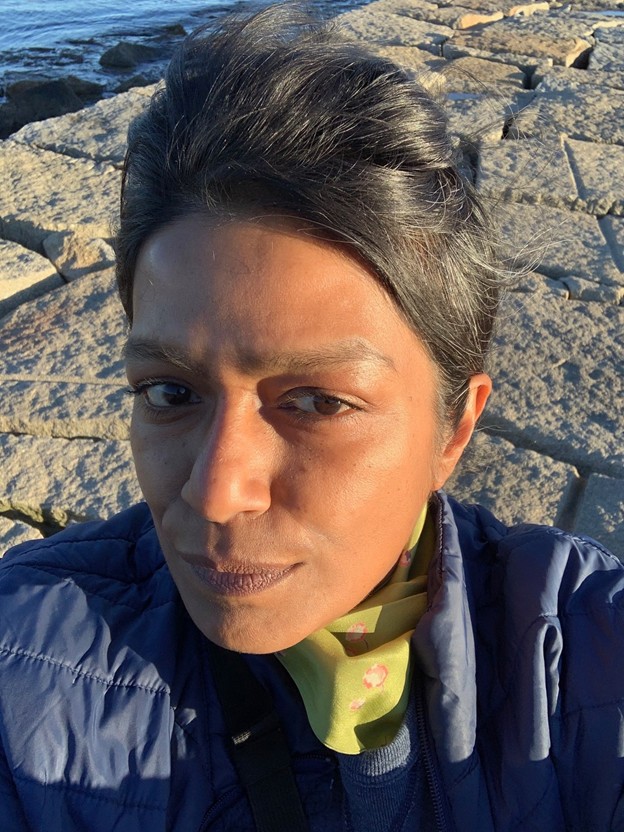
RaySircar, Pritha
Pritha RaySircar
Read more
Pritha RaySircar
| Grant Category: | Fulbright-Nehru Student Research Program |
| Project Title: | Death Recipes: An Atioshojon Archive of Habishyanno Rituals for Diasporic West Bengalis |
| Field of Study: | Writing |
| Home Institution: | New York University, New York, NY |
| Host Institution: | Jadavpur University, Kolkata, West Bengal |
| Grant Start Month: | August 2026 |
| Duration of Grant: | Nine months |
Brief Bio:
Pritha RaySircar is a writer, poet, audio documentarian, community worker, and an artist. She uses sound, words, cartoon, collage, fiber, and food performance to tell stories of (de)colonization, economics, identity, and immigration. Her current projects use family caregiving, menopause, and spinsterhood as lenses to interrogate allowed and conventional South Asian-American stereotypes. An Aspen Words Fellow, an AIR New Voices Fellow, and a holder of the Harpur Palate Award for Creative Nonfiction, Pritha is a current MFA candidate in creative nonfiction at the NYU Creative Writing Program, a poet at the Poetry Project, and studies short fiction with writer George Saunders alongside a worldwide cohort via Substack. She holds a postgraduate certificate in radio, podcasting, and audio documentary from the Salt Institute for Documentary Studies; an MS in public policy from the Milano School for Public Engagement/Urban Policy at the New School for Social Research as a full merit scholar; and a BA in English literature from Barnard College, Columbia University.
For her Fulbright-Nehru project, Pritha is researching and documenting oral histories of sraddha habishyanno – mourning food recipes and rituals – in Kolkata, West Bengal, to create a cultural process archive for diasporic Bengalis. No such centralized, easily understood, engaging layperson documentation exists. As a writer, documentarian, and social practice artist, Pritha is preserving the habishyanno practice in audio, text and text translation, image, and video as a legacy conveyance and to spark future user-friendly diasporic artefacts. An audio documentary, multimedia installation, and spoken-word performance are also in the works. Apart from these productions, Pritha’s research is set to shape and inform an American anthology book project on hospice and mourning comfort food and ritual.
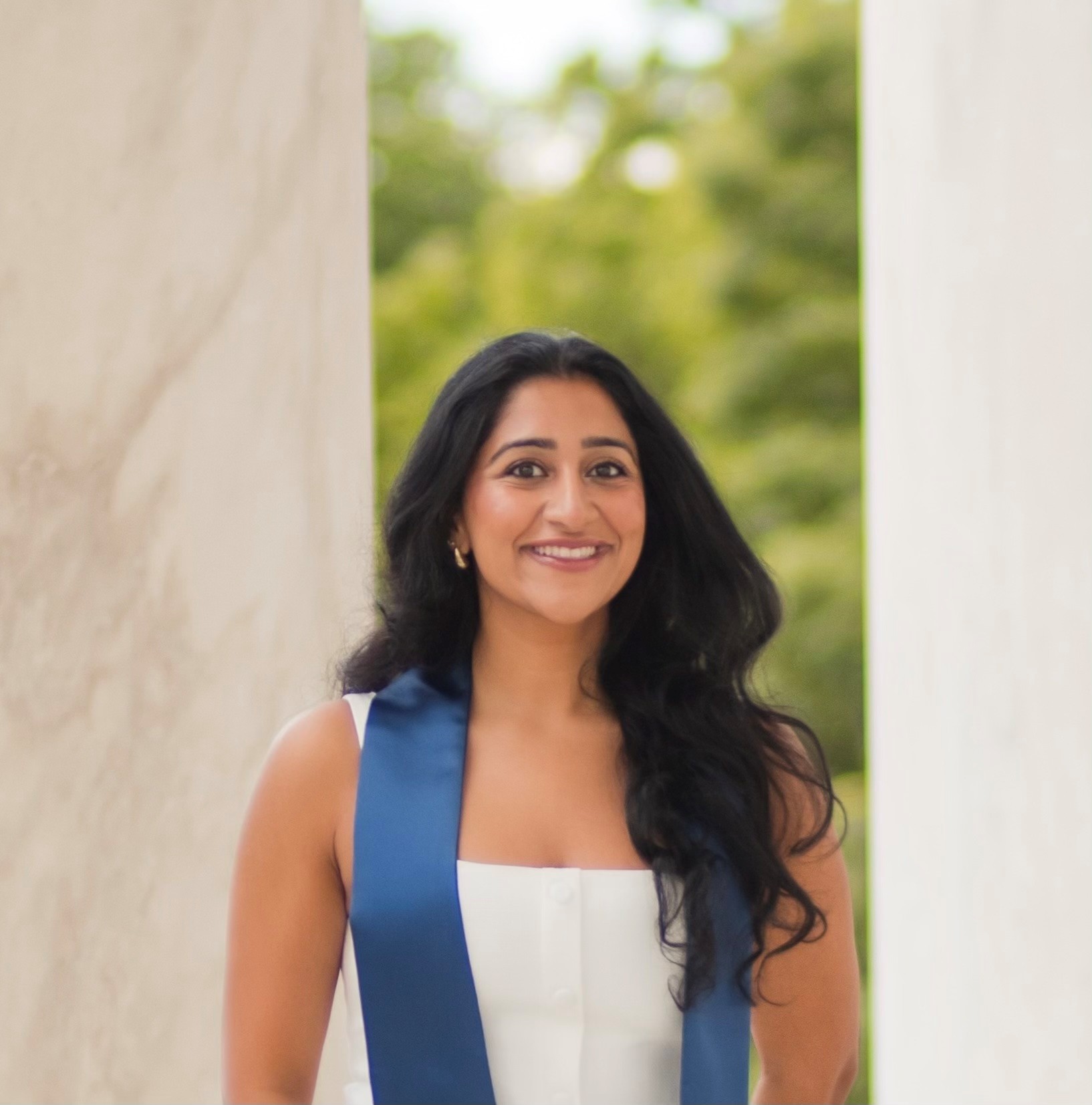
Sachar, Harnoor
Harnoor Sachar
Read more
Harnoor Sachar
| Grant Category: | Fulbright-Nehru Student Research Program |
| Project Title: | Unspoken Epidemics: A Mixed-Methods Study on the Rise of STDs in Punjab, India |
| Field of Study: | Public Health |
| Home Institution: | Georgetown University, Washington, D.C. |
| Host Institution: | Dr. B.R. Ambedkar State Institute of Medical Sciences, Mohali, Punjab |
| Grant Start Month: | August 2026 |
| Duration of Grant: | Nine months |
Brief Bio:
Harnoor Sachar graduated from Georgetown University’s Walsh School of Foreign Service with a degree in science, technology, and international affairs, and a minor in biology. Her academic and research interests lie at the intersection of health systems and clinical medicine, and she has extensive experience conducting research in international settings. As a BSFS Summer Award, Barkanic Award, and CRF Summer Fellowship recipient, Harnoor spent two summers in Mysore, India, engaging in women’s health research, which ranged from health hazards faced by female beedi workers to health system gaps in cervical cancer care. She has gone on to present her findings at conferences such as the 2024 World Cancer Congress and CUGH 2026. Harnoor is also a recipient of the Georgetown Medical Humanities Research Fellowship whereby she has been able to bring her love for film and culture into her research interests by exploring the portrayal of motherhood in Bollywood movies.
In the clinical space, Harnoor works as a volunteer EMT in Prince George’s County, Maryland, and as a volunteer scribe at a free Spanish-speaking clinic in Arlington, Virginia.
Away from research and work, she is on Georgetown’s bhangra dance team, and enjoys singing, running, and trying out new restaurants.
As a Fulbright-Nehru Scholar, Harnoor is expanding on her interests in women’s health and the sociocultural factors of medicine. She is conducting a mixed-methods study to examine the social, structural, and gendered barriers contributing to rising sexually transmitted disease (STD) rates in Punjab, India. Her research is exploring how stigma, gender norms, and cultural taboos surrounding sexual health and healthcare access shape patients’ and providers’ experiences with STD diagnosis and treatment, particularly among women and adolescents. Through surveys and in-depth interviews with patients and healthcare providers, her work seeks to advance cross-cultural understanding of sexual health inequities and inform patient-centered strategies for stigma reduction, improved treatment uptake, and more equitable access to STD care in high-burden communities.
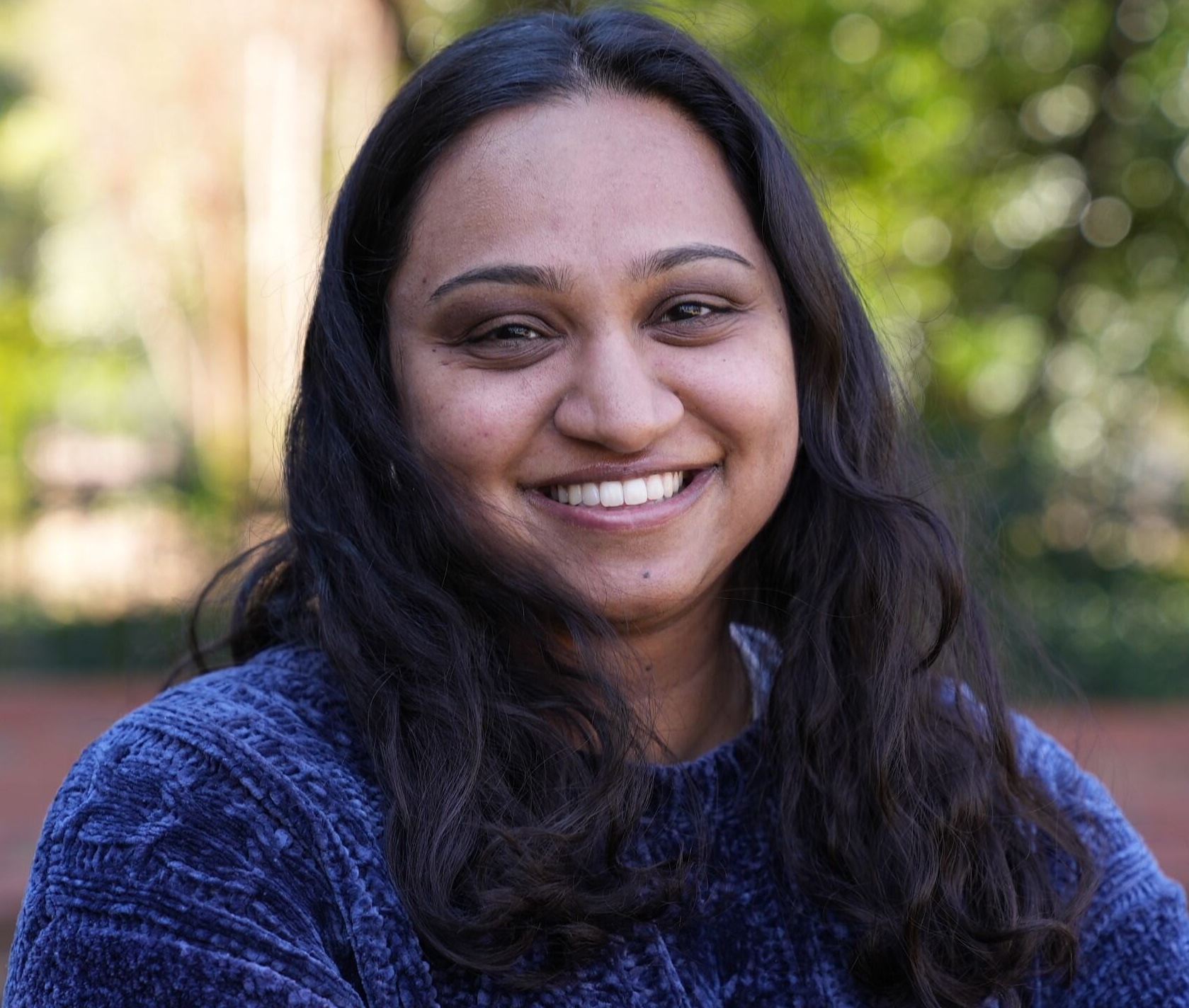
Sagar, Shruti
Shruti Sagar
Read more
Shruti Sagar
| Grant Category: | Fulbright-Nehru Student Research Program |
| Project Title: | An Environmental Health Analysis of the Burden of Air Pollution in Delhi, India |
| Field of Study: | Public Health |
| Home Institution: | University of North Carolina, Chapel Hill, NC |
| Host Institution: | Indian Institute of Technology - Delhi, New Delhi, Delhi |
| Grant Start Month: | August 2026 |
| Duration of Grant: | Nine months |
Brief Bio:
Shruti Sagar received her BA in community health from Tufts University. During her time at Tufts, she evaluated a water infrastructure intervention in Haiti, taught health education to high school students through Peer Health Exchange, and facilitated qualitative fieldwork for local health departments and nonprofits about emerging public health issues.
After graduation, she worked full time at the Medical Practice Evaluation Center in Boston, MA, where she contributed to several NIH-funded cohort studies and randomized controlled trials, including one study exploring the association between air pollution and lung function among people living with HIV in Uganda, and another study on the delivery of PrEP and contraceptives to women in hair salons in South Africa. She is a co-author on multiple peer-reviewed articles in journals such as Annals of the American Thoracic Society, BMC Public Health, and Annals of Internal Medicine.
After her time at the Medical Practice Evaluation Center, Shruti attended the Gillings School of Global Public Health at the University of North Carolina at Chapel Hill to complete her MPH. In addition to her research, Shruti served as a teaching assistant for MPH courses on epidemiology, implementation science, and program evaluation.
Shruti’s Fulbright-Nehru research is examining intracity disparities in air pollution exposure in Delhi. She is conducting a spatial analysis to identify and visualize geographic disparities in air pollution exposure and sociodemographic vulnerability, and is supplementing her findings with qualitative fieldwork to explore community perceptions of air pollution risk. In order to inform resource allocation and policy development, Shruti’s project is identifying the geographic areas in Delhi that are the most vulnerable to the impacts of air pollution exposure.

Senthilvel, Niveditha
Niveditha Senthilvel
Read more
Niveditha Senthilvel
| Grant Category: | Fulbright-Nehru Student Research Program |
| Project Title: | Silence Speaks: Documenting Criminal Tribes Settlements and Reform Schools, 1911–1949 |
| Field of Study: | History |
| Home Institution: | Boston University, Boston, MA |
| Host Institution: | University of Hyderabad, Hyderabad, Telangana |
| Grant Start Month: | October 2026 |
| Duration of Grant: | Nine months |
Brief Bio:
Niveditha Senthilvel is a doctoral candidate in South Asian history at Boston University. She is an accomplished scholar whose academic interests lie at the intersection of environment, indigeneity, and security/criminalization. She is passionate about interrogating the parallel processes of state enclosure upon Indigenous peoples and the environments they steward, starting from the nineteenth century.
Prior to being a 2026–2027 Fulbright-Nehru Scholar, Niveditha was awarded the North American Conference on British Studies’ pre-dissertation fellowship in 2025 for her work on exploring the usage of the word “tribe” in the South Asian context. As an undergraduate, her senior capstone thesis on U.S. intervention in the 1943 Bengal Famine won the Jesse Fant Evans Prize for Best Senior Thesis from the George Washington University. Between her undergraduate and graduate careers, she worked across the government, nonprofit, and private sectors applying her research skills to the most compelling strategic challenges facing the world.
Between 1871 and 1949, hundreds of communities throughout South Asia were categorized as “criminal tribes” by the British Indian government, and they were surveilled and forcibly transferred to “reform settlements.” Niveditha’s Fulbright-Nehru project is documenting this history of forced settlement and “reform” policies targeting Indigenous populations across South Asia, with a particular focus on such settlements and residential schools in the Madras Presidency in southern India. Through this study, she hopes to contribute to the global conversation on the rights of Indigenous peoples, environmental degradation, and the responsibilities of contemporary governments in confronting histories of injustice.
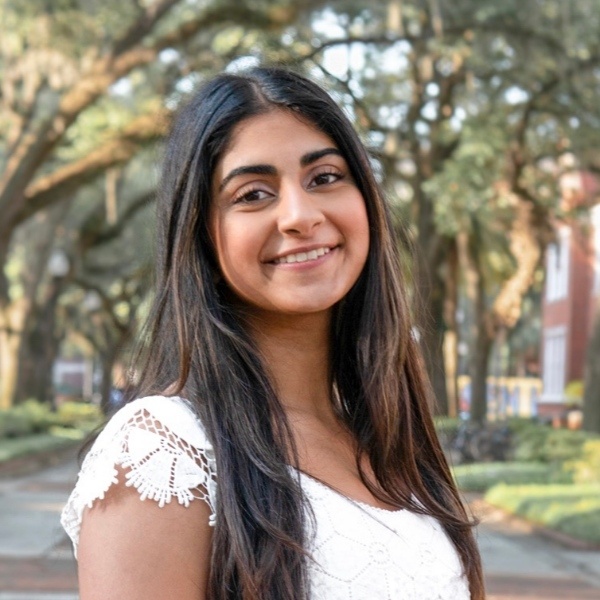
Sethi, Neeva
Neeva Sethi
Read more
Neeva Sethi
| Grant Category: | Fulbright-Nehru Student Research Program |
| Project Title: | Bridging the Healthcare Gap: Telemedicine and Policy Pathways for Rural India |
| Field of Study: | Public Health |
| Home Institution: | University of Florida, Gainesville, FL |
| Host Institution: | India Institute of Technology - Jodhpur, Jodhpur, Rajasthan |
| Grant Start Month: | August 2026 |
| Duration of Grant: | Nine months |
Brief Bio:
Neeva Sethi earned her BS in computer science and biology from the University of Florida, where she focused on leveraging technology to improve healthcare delivery and access to quality care. During her undergraduate studies, she was a founding engineer on a clinically studied virtual reality application designed for distraction-based therapy, thereby contributing to the development of immersive tools aimed at improving patient experience and outcomes. She also led a health-tech nonprofit that partnered with local hospitals to design and implement engineering-driven solutions to operational and patient-care challenges.
Since graduating, Neeva has been working as a software engineer on Microsoft’s High Performance Computing and AI team, where she builds large-scale distributed infrastructure that powers advanced AI applications such as ChatGPT and Copilot.
Drawing on both her technical background and her exposure to healthcare inequities, Neeva is particularly interested in how emerging technologies can be responsibly integrated into healthcare systems to improve access, efficiency, and equity at scale. She is especially focused on the role of infrastructure, policy, and global collaboration in shaping the future of healthcare delivery.
Neeva’s Fulbright-Nehru research project is examining how telemedicine can be augmented to improve equitable healthcare access in underserved regions. Based at IIT Jodhpur, the project is combining policy analysis through fieldwork across rural health centers in Rajasthan and a comparative study to identify barriers to telemedicine adoption, including in terms of infrastructure, digital literacy, and trust. The research is expected to produce actionable policy recommendations and a scalable framework for inclusive telehealth delivery in India and comparable global contexts.
Shembekar, Madhura
Madhura Shembekar
Read more
Madhura Shembekar
| Grant Category: | Fulbright-Nehru Student Research Program |
| Project Title: | Building Together: Civil Society Perspectives on Nature-Based Coastal Infrastructure |
| Field of Study: | Environmental Studies |
| Home Institution: | Georgetown University, Washington, D.C. |
| Host Institution: | Tata Institute of Social Sciences, Mumbai, Maharashtra |
| Grant Start Month: | August 2026 |
| Duration of Grant: | Nine months |
Brief Bio:
Madhura Shembekar, originally from Scottsdale, Arizona, is a recent graduate from Georgetown University’s Walsh School of Foreign Service with a degree in science, technology, and international affairs (concentration: energy/environment), and a minor in Spanish. She has strong research interests in climate adaptation, sustainable urban development, and environmental migration and displacement. She has worked for the Kuskokwim Watershed Coalition, conducting a risk assessment of mercury mobilization in Alaska, and for the Georgetown Climate Center, researching state- and local-level climate adaptation policy.
At Georgetown University, she was awarded honors for completion of a thesis on climate-induced migration and displacement in South Asia. A Lannan Fellow, Sustainable Business Fellow (McDonough School of Business), and a Krogh Honors Scholar, Madhura is a member of Phi Beta Kappa and Alpha Sigma Nu honor societies. For her work on environmental issues, she was also given the Lena Landegger Community Service Award. Madhura is an avid tennis enthusiast and loves to dance.
Madhura’s Fulbright-Nehru research project is studying the role of civil society groups and nongovernmental organizations in shaping coastal adaptation and urban resilience in Mumbai. In particular, her project is examining the adoption of “natural” infrastructure, sometimes termed “blue-green” infrastructure, such as urban wetlands and water plazas, as an alternative to traditional structures. Through mixed-methods research involving interviews of civil society organizations and analysis of gray literature, she aims to understand public perceptions about such infrastructure, barriers to its adoption, and its potential for supporting coastal resilience and adaptation. The project consolidates Madhura’s interest in inclusive urban development and community-based adaptation policy.

Shibu, Pranav
Pranav Shibu
Read more
Pranav Shibu
| Grant Category: | Fulbright-Nehru Student Research Program |
| Project Title: | Exploring Informal Diabetes Caregiving and Its Institutional Interfaces in Rural Kerala |
| Field of Study: | Public Health |
| Home Institution: | Johns Hopkins University, Baltimore, MD |
| Host Institution: | Amrita Institute of Medical Sciences, Kochi, Kerala |
| Grant Start Month: | August 2026 |
| Duration of Grant: | Nine months |
Brief Bio:
Pranav Shibu graduated from Johns Hopkins University in May 2025 with a BS in molecular and cellular biology and public health studies. His coursework spanned molecular biology, biochemistry, cognitive neuroscience, developmental genetics, epidemiology, and qualitative research methods, thus building an interdisciplinary foundation for work at the intersection of laboratory science and community health. Currently, Pranav serves as a mid-level research technician in the Shakkottai Lab at UT Southwestern Medical Center, where he investigates KCNH3 ion channel dysfunction in spinocerebellar ataxia using patch-clamp electrophysiology, stereological analysis, and rotarod behavioral assays in mouse models. His research trajectory has spanned three additional academic laboratories: the Lloyd Lab at Johns Hopkins School of Medicine; the Berth/Lloyd Lab at Baylor College of Medicine, where he studied dynactin-related neuromuscular degeneration in drosophila; and the Farah Lab at Johns Hopkins School of Medicine.
His clinical experience includes four years as a medical assistant at America First Urgent Care in Coppell, Texas, and ongoing work at the Union Gospel Mission Calvert Clinic in Dallas, where he serves an underserved homeless population.
Outside of medicine and research, Pranav competed on the Johns Hopkins NCAA men’s varsity fencing team and coaches young athletes at Go Fence Academy.
Pranav’s Fulbright-Nehru research is examining informal diabetes caregiving in rural Kerala, where India’s second-highest diabetes prevalence places disproportionate burden on family caregivers in resource-poor households. Although 80 percent of this chronic disease care occurs at home, the labor remains largely undocumented in formal healthcare planning. Based at Amrita Institute of Medical Sciences in Kochi and working under Dr. Renjith Bhadran, Pranav is conducting trauma-informed, semi-structured interviews with family caregivers, community health workers, and primary care providers across Ernakulam, Palakkad, and Wayanad districts. Drawing on Johns Hopkins public health training and native Malayalam-language fluency, the project will make visible the essential caregiving labor sustaining chronic disease management in resource-constrained settings.
Sompalli, Shravya
Shravya Sompalli
Read more
Shravya Sompalli
| Grant Category: | Fulbright-Nehru Student Research Program |
| Project Title: | Analyzing Technological Anti-Trafficking Initiatives for Survivor Empowerment in Bangalore |
| Field of Study: | Social Sciences |
| Home Institution: | Brown University, Providence, RI |
| Host Institution: | National Law School of India University, Bengaluru, Karnataka |
| Grant Start Month: | August 2026 |
| Duration of Grant: | Nine months |
Brief Bio:
Shravya Sompalli is a graduate of Brown University with an ScB in computer science and ethnic studies. While a researcher in the Human Trafficking Research Cluster at the Ruth J. Simmons Center for the Study of Slavery and Justice, she worked closely with the grassroots collective Red Canary Song to visualize and communicate changes over the past two decades in the policing of Asian massage work – commonly portrayed as synonymous with human trafficking – in New York. Partly building on this work, Shravya’s senior thesis investigated the integration of technological tools and discourses surrounding the potential of technology in the work of state and corporate anti-trafficking actors while considering the limitations of technological initiatives from the perspective of grassroots organizations.
She also worked in the Sociotechnical Systems and Wellbeing Research Lab (SWRL) at Brown, using mixed computational and qualitative methods to facilitate a greater understanding of how posters on online forums sought help on reproductive health-related concerns in 2024. After graduating, Shravya conducted data and policy work in support of Cook County’s Human Rights Ordinance as an applied data fellow in the county’s Department of Human Rights and Ethics.
Given the growing interest of many international anti-trafficking actors in the potential of interventional technology, Shravya’s Fulbright-Nehru project is examining how anti-trafficking NGOs in Bengaluru are using technology in their victim identification and empowerment initiatives. This project seeks to build an understanding of the perceptions of NGO employees on the efficacy and usability of technological tools. It also aims to find out how users identify and balance potential privacy and security concerns with the adoption of such tools.
Trivedi, Sheel
Sheel Trivedi
Read more
Sheel Trivedi
| Grant Category: | Fulbright-Nehru Student Research Program |
| Project Title: | Investigating Transnational Care Coordination for Persons with Dementia in Bengaluru |
| Field of Study: | Public Health |
| Home Institution: | Yale University, New Haven, CT |
| Host Institution: | National Institute of Mental Health and Neurosciences, Bengaluru, Karnataka |
| Grant Start Month: | August 2026 |
| Duration of Grant: | Nine months |
Brief Bio:
Sheel Trivedi is a graduate of Yale University, where he earned a BS in neuroscience and a certificate in global health studies. His professional work sits at the intersection of neurological research and social science, with a dedicated focus on the unique healthcare challenges facing older adults. He is committed to applying a patient-centered approach to medicine, utilizing insights from both basic laboratory science and community-based research to improve health equity.
During his three years in the Cafferty Lab at the Yale School of Medicine, Sheel investigated intact corticospinal tract (CST) synaptic plasticity following spinal cord injury and rehabilitation. Beyond his work at Yale, Sheel is a research affiliate with the University of Pennsylvania’s Leonard Davis Institute of Health Economics, where he is working on a project exploring the financial planning and life expectations of older adults living with HIV in Philadelphia.
Outside of his research, Sheel led student organizations at Yale focused on South Asian culture and STEM education, and served as a student fellow at the South Asian Studies Council at the MacMillan Center. In the New Haven community, he remained engaged through dementia-related volunteering and community blood pressure screenings.
Sheel’s Fulbright-Nehru project is investigating the challenges of “transnational caregiving” for persons with dementia in Bengaluru, India, who have relatives in the United States. Affiliated with NIMHANS, the project is conducting semi-structured qualitative interviews with multiple “transnational caregiving units” comprising patients, local caregivers, healthcare professionals, and U.S.-based relatives. By identifying, through NVivo analysis, themes such as communication difficulties, expectational burden, and economic impacts, Sheel’s research aims to inform culturally sensitive care frameworks and contribute to India’s dementia action plans to improve well-being for transnational families.
Villalobos, Eric
Eric Villalobos
Read more
Eric Villalobos
| Grant Category: | Fulbright-Nehru Student Research Program |
| Project Title: | Jain Monks as Medical Practitioners in Colonial Era Rajasthan |
| Field of Study: | Religious Studies |
| Home Institution: | Emory University, Atlanta, GA |
| Host Institution: | University of Rajasthan, Jaipur, Rajasthan |
| Grant Start Month: | September 2026 |
| Duration of Grant: | Nine months |
Brief Bio:
Eric Villalobos is a fourth-year PhD student in the Graduate Division of Religion at Emory University. His research uses ethnographic and historical methodologies to examine the so-called “semi-renunciant” yati monastic lineages within Mūrtipūjaka Śvetāmbara Jainism in North India. This project takes him through the history of Indian monasticism, astrology, mantra science, and the colonial encounter with South Asian Indigenous medical systems. Eric received his BA in religious studies from the University of California, Santa Barbara, and his MA in South Asian area studies from the School of Oriental and African Studies (SOAS), University of London.
Eric’s Fulbright-Nehru project is exploring the historical collaboration between Rajasthani kingdoms and Jain merchant communities in promoting Jain monks as medical practitioners during the colonial era. He is seeking answers as to how and why Jain monks, supported by Rajasthani kings and the Jain merchant community, transformed modern Āyurveda into a distinctly Hindu-identified medical science. To this end, he is conducting research in Rajasthan State Archives at Bikaner, examining the royal court documents of the Rajput kingdoms, especially of Bikaner, Jaipur, Jodhpur, and Udaipur. Beyond this, he is gathering oral histories about Jain monastic rest houses which functioned as traditional medical houses during the colonial period.

Vogel, Patrick
Patrick Vogel
Read more
Patrick Vogel
| Grant Category: | Fulbright-Nehru Student Research Program |
| Project Title: | Blueprint for the Present: Temples, Public Space, and Our Shared Future |
| Field of Study: | Installation Art |
| Home Institution: | California Institute of the Arts, Santa Clarita, CA |
| Host Institution: | Srishti Manipal Institute of Art, Design and Technology, Bengaluru, Karnataka |
| Grant Start Month: | August 2026 |
| Duration of Grant: | Nine months |
Brief Bio:
Patrick Vogel is an artist based in Los Angeles. Born in West Hollywood, he grew up acting on film sets and learned to transpose that collaborative spirit to his multidisciplinary path as a visual artist. Through sculpture, drawing, installation, and painting, he explores the inner and outer conditions of exhibition making in the twenty-first century.
Patrick’s transdisciplinary approach is unique, reflective of a conceptual practice grounded in site-specific research, happenstance, and an expanded art historical paradigm. His practice reveals power structures formed by particular stories that we tell ourselves, namely of imperialism, colonialism, and race prejudice, and the lethal epistemes branching out of them. His most recent work, the Hermit Series, takes on Roman and Gothic architectural forms, overlaid with photographs of palaces and royal doorways, which are then digitally carved, painted, and printed onto mirrors. Throughout, he deploys gesture and abstraction to produce an architectural palimpsest, a relic covered in futuristic cave paintings, which interrupts a clean reading of Western ideology as neutral, invisible, or inherent.
Patrick has traveled, taught, and lived across six continents. He received his BFA from Oregon Center for the Arts in Ashland, Oregon, and his MFA in art and technology from California Institute of the Arts in Valencia, California. He has been an artist-in-residence at the School of Visual Arts in New York and the Vermont Studio Center.
For his Fulbright-Nehru project, Patrick is studying British colonial architecture and native Indian architecture in Bengaluru, and developing a new series of installations in response. Through research and dialogue, he seeks to understand the varied epistemologies that became constructed public spaces in Bengaluru, spaces that owe its origins to different continents and cultures entirely. Through this project, he hopes for a broader perspective on global communities, how they interact, affect one another, and hybridize over time, and how we might, with clarity and focus, produce different spaces to better navigate the coming centuries. As part of the project, he is also a visiting artist-professor at Srishti Manipal Institute of Art, Design and Technology, where he is engaging with BFA/MA students in the Contemporary Art Practice program.
Weiss, Theresia von
Theresia von Weiss
Read more
Theresia von Weiss
| Grant Category: | Fulbright-Nehru Student Research Program |
| Project Title: | Spiritual Leaders as Artists, and the Aesthetics of Experience |
| Field of Study: | Philosophy |
| Home Institution: | St. Catherine University, St. Paul, MN |
| Host Institution: | Symbiosis School for Liberal Arts, Pune, Maharashtra |
| Grant Start Month: | August 2026 |
| Duration of Grant: | Nine months |
Brief Bio:
Theresia von Weiss earned a BA in philosophy and studio art from St. Catherine University in 2023, where they were an Antonian Honors Scholar and graduated summa cum laude. Their academic and creative work centers on community-engaged art, environmental stewardship, philosophy, and cross-cultural collaboration. During their undergraduate studies, they contributed to projects exploring public art, social practice, and institutional history, including a student-led initiative focused on acquiring and exhibiting artwork by BIPOC artists for the university community.
Theresia has worked across nonprofit, educational, and arts organizations in roles emphasizing communication, collaboration, and public engagement. As a communications intern at Mary’s Pence, they supported nonprofit outreach efforts through writing and grant development. They later served as a teaching assistant for the course “Building a Creative Life” at St. Catherine University, where they collaborated on curriculum development and mentored students in realizing creative projects. Theresia’s current interests include philosophy of art, spiritual philosophy, environmental justice, and community-based artistic practice.
Theresia’s Fulbright-Nehru project is connecting the philosophy of art with the philosophy of religion. They are researching and writing about whether spiritual leaders are themselves considered artists. While current philosophical writing on the aesthetics of spiritual experience directly relates to visual arts and the concept of beauty, Theresia’s philosophy sets out the argument that spiritual leaders are artists. Since fundamental questions such as what an artist is and what art is are the most commonly explored concepts in the field of philosophy of art and aesthetics, looking at spiritual experiences as art steers that conversation toward a new and vital direction.
Yarlagadda, Shreeya
Shreeya Yarlagadda
Read more
Shreeya Yarlagadda
| Grant Category: | Fulbright-Nehru Student Research Program |
| Project Title: | From Streets to Systems: Understanding Barriers to HPV and Head and Neck Cancer Prevention |
| Field of Study: | Public Health |
| Home Institution: | University of North Carolina, Chapel Hill, NC |
| Host Institution: | MNJ Institute of Oncology & Regional Cancer Center, Hyderabad, Telangana |
| Grant Start Month: | August 2026 |
| Duration of Grant: | Nine months |
Brief Bio:
Shreeya Yarlagadda is a recent graduate from the University of North Carolina (UNC) at Chapel Hill, where she earned a BS honors in neuroscience and psychology, with a minor in medicine, literature, and culture. During her time at UNC, Shreeya was an Accelerated Research Scholar and conducted research across multiple settings, including the Neurocognition and Imaging Research Lab, the Department of Radiation Oncology at UNC Health, and the THRIVE Clinic. She completed her honors thesis on the safety of re-irradiation for high-grade gliomas, and continues to be passionate about the intersection of the humanities and sciences, with a particular focus on quality of life and palliative care.
Throughout her undergraduate career, she engaged with, created, and led multiple student organizations. As founder of Art and the Brain at UNC, Shreeya fostered conversations integrating philosophy, art, and medicine, building metaphors to deepen understanding of neurological illness and mental health. She also founded the Global Women’s Narrative Project at UNC, creating a platform for local stories and empowering change through narratives. Shreeya is also passionate about health humanities, and had authored three pieces for the Health Humanities Journal at UNC.
A Kuchipudi dancer for nearly 15 years, she was a proud member of UNC’s classical dance team, Ek Taal. She views dance as a living connection between her culture and her identity. Seeing herself as an artist, she turns to Indian classical dances and writing as outlets that run parallel to her interests in healthcare.
Shreeya’s Fulbright-Nehru research project is investigating community perceptions about HPV-related head and neck cancers, and is also evaluating the efficacy of existing interventions in India. Her study involves engaging with underserved communities and healthcare workers to build a nuanced understanding of the stigma surrounding HPV. The goal is to identify trends in existing beliefs and guide the development of educational and interventional materials that minimize health inequities and raise broader awareness across India.
Yusoof, Kizil
Kizil Yusoof
Read more
Kizil Yusoof
| Grant Category: | Fulbright-Nehru Student Research Program |
| Project Title: | Lens of Faith: Understanding Religious Influences on HPV Vaccination Decisions |
| Field of Study: | Public Health |
| Home Institution: | University of Arizona, Tucson, AZ |
| Host Institution: | JSS Academy of Higher Education & Research, Mysuru, Karnataka |
| Grant Start Month: | August 2026 |
| Duration of Grant: | Nine months |
Brief Bio:
Kizil Yusoof is a doctoral student working under the supervision of Dr. Purnima Madhivanan in the Mel and Enid Zuckerman College of Public Health at the University of Arizona. Kizil earned an MS in immunology and infection from UT Health San Antonio in 2018. Her graduate research focused on the development of point-of-care diagnostics for drug-resistant tuberculosis. Following her master’s degree, Kizil continued working in biomedical research, investigating the neuroimmune mechanisms of chemotherapy-induced neuropathic pain.
In 2024, Kizil transitioned into the field of public health where her research interests expanded to cancer prevention, health promotion, and epidemiology. Her current work focuses on understanding the prevention of cervical cancer through community-centered and population health approaches, with an emphasis on improving awareness, access, and preventive care.
For her Fulbright-Nehru project, Kizil is examining the influence of religious and cultural beliefs on cervical cancer prevention and HPV vaccine decision-making in the urban communities of Mysuru, India. Specifically, she is using a community-based participatory research approach, including focus group discussions and photovoice, to understand how cultural and religious values impact attitudes toward cervical cancer prevention and vaccine uptake. The study is being conducted in collaboration with the JSS Academy of Higher Education and Research and the Public Health Research Institute of India, an NIH training site for global health research. The overall goal is to deploy culturally relevant strategies to improve HPV vaccine rollout and uptake in order to address the 2030 WHO strategic target of eliminating cervical cancer.

Mahajan, Supriya
Supriya Mahajan
Read more
Supriya Mahajan
| Grant Category: | Fulbright Global Scholar Award |
| Project Title: | Evaluating Microbial Communities and Water Quality for Sustainable Restoration of Aquatic Systems |
| Field of Study: | Public Health |
| Home Institution: | University at Buffalo Buffalo, NY |
| Host Institution: | Indian Institute of Technology - Bombay, Mumbai, Maharashtra |
| Grant Start Month: | January 2027 |
| Duration of Grant: | Two months |
Brief Bio:
Dr. Supriya Mahajan is an associate professor (with tenure) in the Department of Medicine, Division of Allergy, Immunology and Rheumatology, at Jacobs School of Medicine and Biomedical Sciences, University at Buffalo (UB), New York. She also holds adjunct appointments in biomedical informatics and chemical and biological engineering and serves as director of research for the Division of Allergy, Immunology and Rheumatology. Dr. Mahajan earned her PhD in endocrinology and metabolism from the All India Institute of Medical Sciences (AIIMS), New Delhi, and later completed her MPH in global health and epidemiology from the University at Buffalo. She completed her postdoctoral training at Case Western Reserve University and UB, specializing in endocrinology, metabolism, immunology, and translational biomedical research. Over the course of more than three decades, Dr. Mahajan has developed an internationally recognized research program spanning immunology, neuroinflammation, microbiome science, infectious diseases, nanomedicine, public health, and translational medicine. Her work focuses on understanding microbial communities, inflammation, immune dysfunction, and chronic diseases, with particular emphasis on HIV-associated comorbidities, neurodegenerative disorders, and precision medicine approaches. She has served as principal investigator, coinvestigator, and mentor on numerous NIH research projects and has contributed extensively to interdisciplinary collaborations across the United States and internationally.
Dr. Mahajan has authored more than 150 peer-reviewed publications, nine book chapters, over 95 scientific abstracts, and holds a U.S. patent. Her scholarly contributions have garnered more than 9,400 citations, with an h-index of 52. She has served on numerous NIH, NSF, and the U.S. Department of Defense review panels and is an active member of several professional societies. A dedicated educator and mentor, she teaches graduate-level courses in microbiome informatics, metagenomics informatics, and public health informatics. Her current interests include microbiome-host interactions, neuroinflammation, precision public health, bioinformatics, global health, and the development of innovative technologies for disease detection, prevention, and treatment.
Dr. Mahajan’s Fulbright Global Scholar project is advancing international collaboration to address global water challenges through AI‑driven analysis of chemical and microbial data. As the principal investigator, she is leading a multidisciplinary team in partnership with IIT Bombay, the University of Sydney, and the University of the Western Cape to develop and field‑test an integrated optics-based automated water‑quality sensing platform across diverse sites in India, Australia, and South Africa. The project aims to strengthen global academic partnerships, build research capacity, and deliver a scalable real‑time monitoring framework to inform water‑safety policies and enhance infrastructure resilience worldwide.

McNulty, Stephanie
Stephanie McNulty
Read more
Stephanie McNulty
| Grant Category: | Fulbright Global Scholar Award |
| Project Title: | Reclaiming Participatory Democracy: Past and Present |
| Field of Study: | Political Science |
| Home Institution: | Franklin & Marshall College Lancaster, PA |
| Host Institution: | Institute for Social and Economic Change, Bengaluru, Karnataka |
| Grant Start Month: | June 2027 |
| Duration of Grant: | Two months |
Brief Bio:
Dr. Stephanie McNulty, the Honorable John C. and Katherine Kunkel Professor of Government at Franklin & Marshall College, is the author of several books about decentralization and citizen engagement, and the coauthor of The Power and Perils of Participatory Democracy: Participatory Budgeting and Democracy in Peru (Oxford University Press, 2026). Her work has also been published in scholarly journals such as Comparative Political Studies, Latin American Politics and Society, the Journal of Development Studies, Revista de Ciencia Política, Current History, and the Journal of Public Deliberation, among other outlets. Her research has been funded by the National Science Foundation, Fulbright, the American Association of University Women, the Hewlett Foundation, and the American Political Science Association. At Franklin & Marshall College, she teaches courses on global democracy and participatory politics.
Dr. McNulty’s Fulbright Global Scholar project is challenging the prevailing narrative that democracy is dying. While representative democracy (legislatures, courts, etc.) may be struggling, the project argues that participatory democracy, where ordinary citizens engage in direct decision-making, is expanding globally. It also seeks to correct the record by documenting both the ancient roots and modern expansions of these practices. As part of the project, she is conducting research in Greece, India, and Peru to document forms of participatory democracy that are largely absent from the historical records. In India, she is documenting the gram sabha (village assembly) structure, which may predate Athenian democracy and is currently practiced in around 250,000 villages.

Miller, Nathan
Nathan Miller
Read more
Nathan Miller
| Grant Category: | Fulbright Global Scholar Award |
| Project Title: | Pioneers at the Last Mile: Best Practices for AI-Enabled Community Health Worker Programs |
| Field of Study: | Public Health |
| Home Institution: | At-Large Washington, D.C. |
| Host Institution: | International Institute of Information Technology (IIIT) Hyderabad, Hyderabad, Telangana |
| Grant Start Month: | September 2026 |
| Duration of Grant: | Two months |
Brief Bio:
Dr. Nate Miller is a global health researcher and advisor with over 20 years of experience designing, implementing, and evaluating community health programs across Africa, Asia, and the Middle East. He holds a PhD in international health from Johns Hopkins University and master’s degrees in public health and international affairs from Columbia University.
At UNICEF, where he served as global lead for community health in emergencies from 2014 to 2024, Dr. Miller led an eight-country research initiative documenting how community health workers function in humanitarian settings, generating evidence that has informed global humanitarian health policy and practice. He also led the development of South Sudan’s national community health strategy, the Boma Health Initiative, now serving eight million people, and developed Somalia’s national community health worker program guidelines for the World Bank. He has held research and faculty roles at Johns Hopkins University and Columbia University, and has worked with Save the Children, USAID, and WHO. He is the author of 24 peer-reviewed publications on community health systems, implementation science, and health in humanitarian settings, including a 2026 paper in the Lancet Primary Care on building community health worker systems ready for AI integration.
For the past two years, Dr. Miller has focused on practical AI applications in global health, advising and training organizations, including WHO, Georgetown University, and George Washington University. He founded The AI & Global Health Hub, a resource platform for global health professionals, and is leading a literature review on AI in community health worker programs.
Dr. Miller’s Fulbright Global Scholar project is a five-month comparative study across Kenya, Rwanda, and India, three countries at the forefront of integrating AI into community health worker programs. Through direct observation of health workers using AI tools, key informant interviews with those who design and run these health worker programs, and stakeholder workshops, he is documenting which implementation practices transfer across health systems and which require local adaptation, with the aim to produce open-access guidance for program managers and policymakers worldwide.